Why Visit Tikem Lake
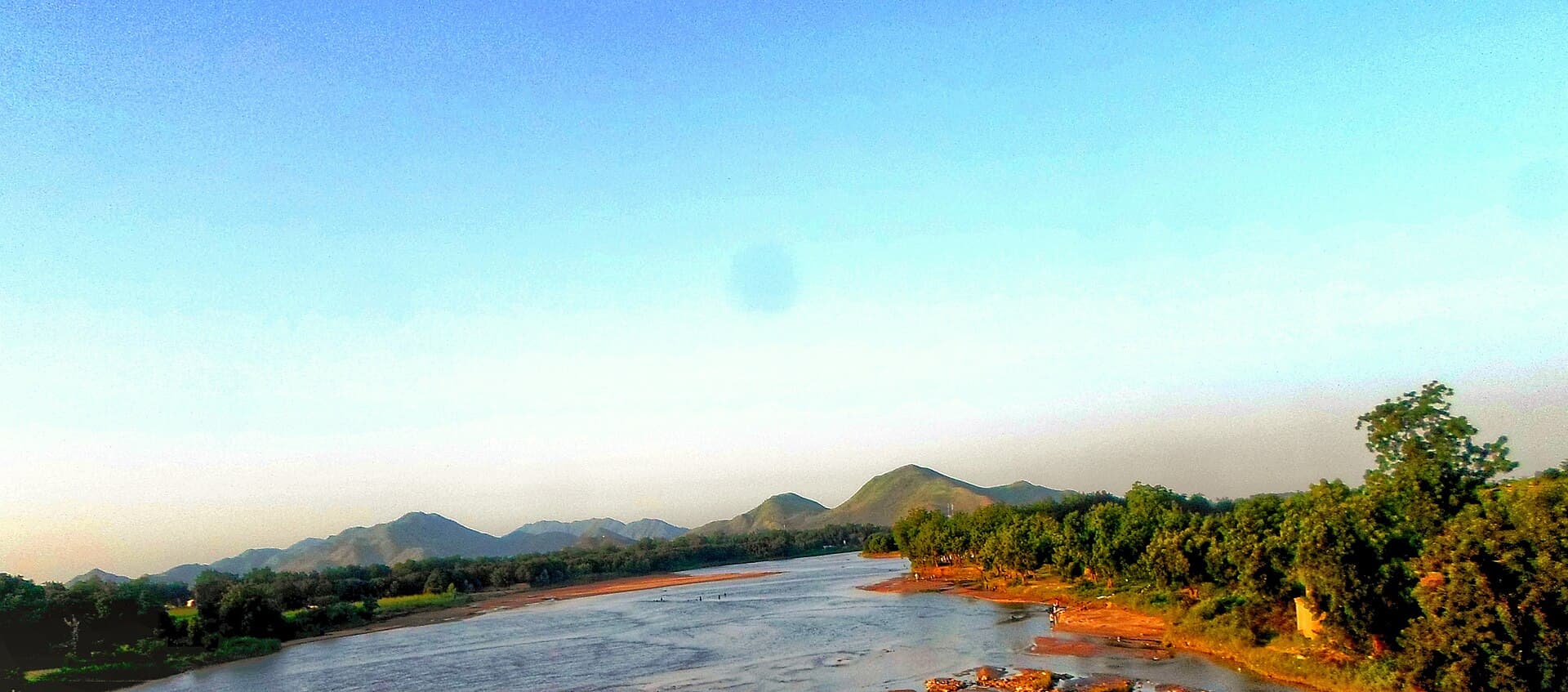
Tikem Lake sits in Cameroon’s Far North region, offering visitors a calm expanse of water amid rolling savanna and rocky outcrops. The lake’s setting provides clear views of the surrounding landscape and supports local birdlife, making it a worthwhile stop for those seeking quieter alternatives to larger national parks.
Getting There
Most travelers reach Tikem Lake by road from Maroua, the regional hub roughly 80 kilometers to the south. The route follows paved and graded tracks through villages and farmland; a four-wheel-drive vehicle is advisable during the wet season when sections become muddy. Public transport options include shared taxis or minibuses to nearby settlements, followed by a short motorbike taxi or walk to the lakeshore.
Best Time to Visit
The dry season from November to April brings stable roads and lower humidity, ideal for walking around the lake and wildlife observation. The rainy months of May to October can flood access tracks and increase insect activity, though the lake itself remains scenic with greener surroundings.
What to See and Do
Walk the shoreline paths to observe resident and migratory waterbirds. Local fishermen often work from small wooden boats; respectful observation of their daily routines offers insight into traditional livelihoods tied to the lake. Short hikes into the adjacent hills provide elevated viewpoints across the water and distant plains. Photography, picnicking, and quiet contemplation are the main activities; swimming is possible but check local advice on water conditions first.
Nearby Attractions
- The Mandara Mountains lie to the west, offering opportunities for cultural visits to hillside villages and traditional architecture.
- Waza National Park, roughly two hours north, features large mammals and is a logical extension for safari-style travel.
- The town of Mora provides markets and basic supplies for those extending their stay in the region.
Practical Considerations
Facilities at the lake are minimal, so bring sufficient water, food, and sun protection. Local guides can be arranged in nearby villages for a more informed visit. Respect community norms by asking permission before photographing people or entering private land.