Why Visit the Cultural Center and Museum of the Logone Valley
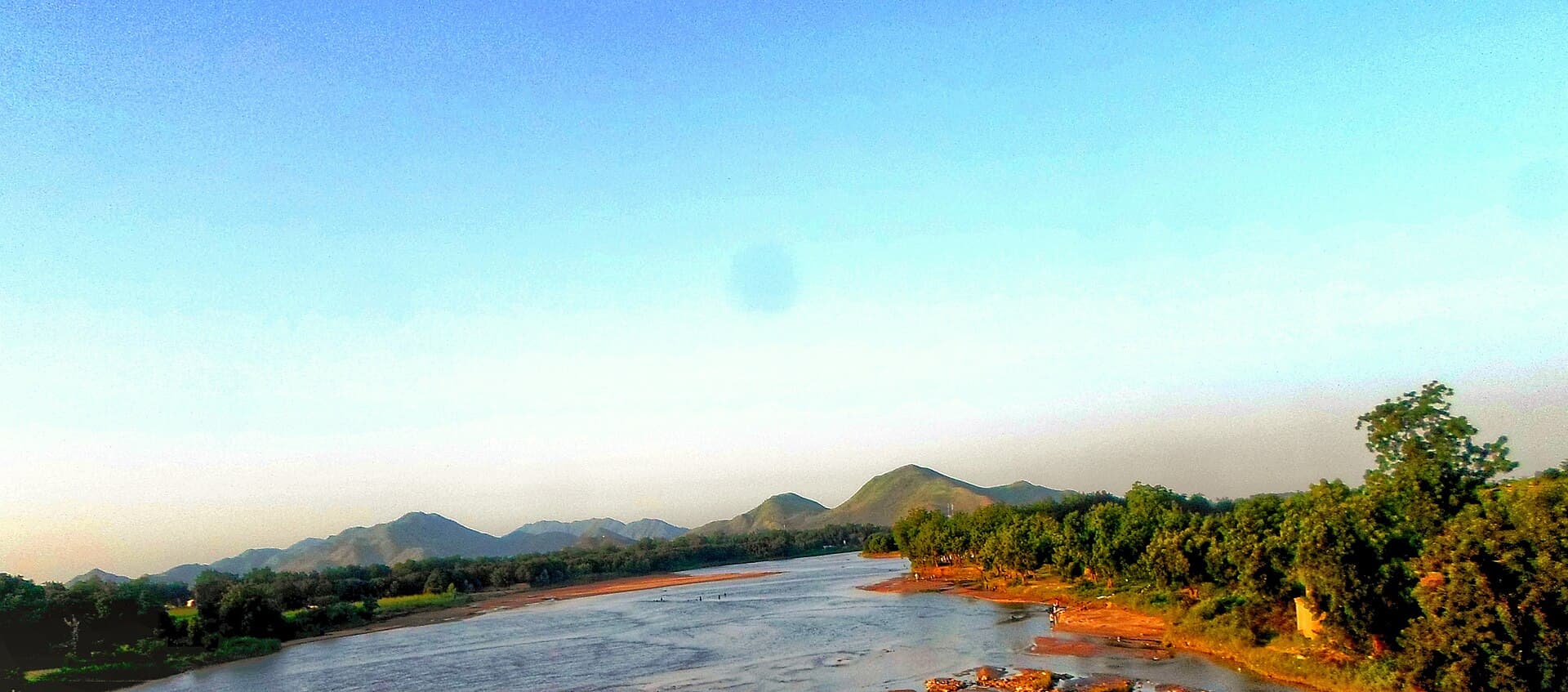
The museum stands as the primary institution dedicated to the material culture of the Logone Valley, where the Logone River forms the border between Cameroon and Chad. Visitors encounter pottery, woven textiles, metalwork, and ritual objects created by Kotoko, Musgum, and other communities that have inhabited the floodplain for centuries. The collection emphasizes continuity between ancient terracotta figurines and contemporary craft practices still visible in surrounding villages.
What to See and Do
Permanent Galleries
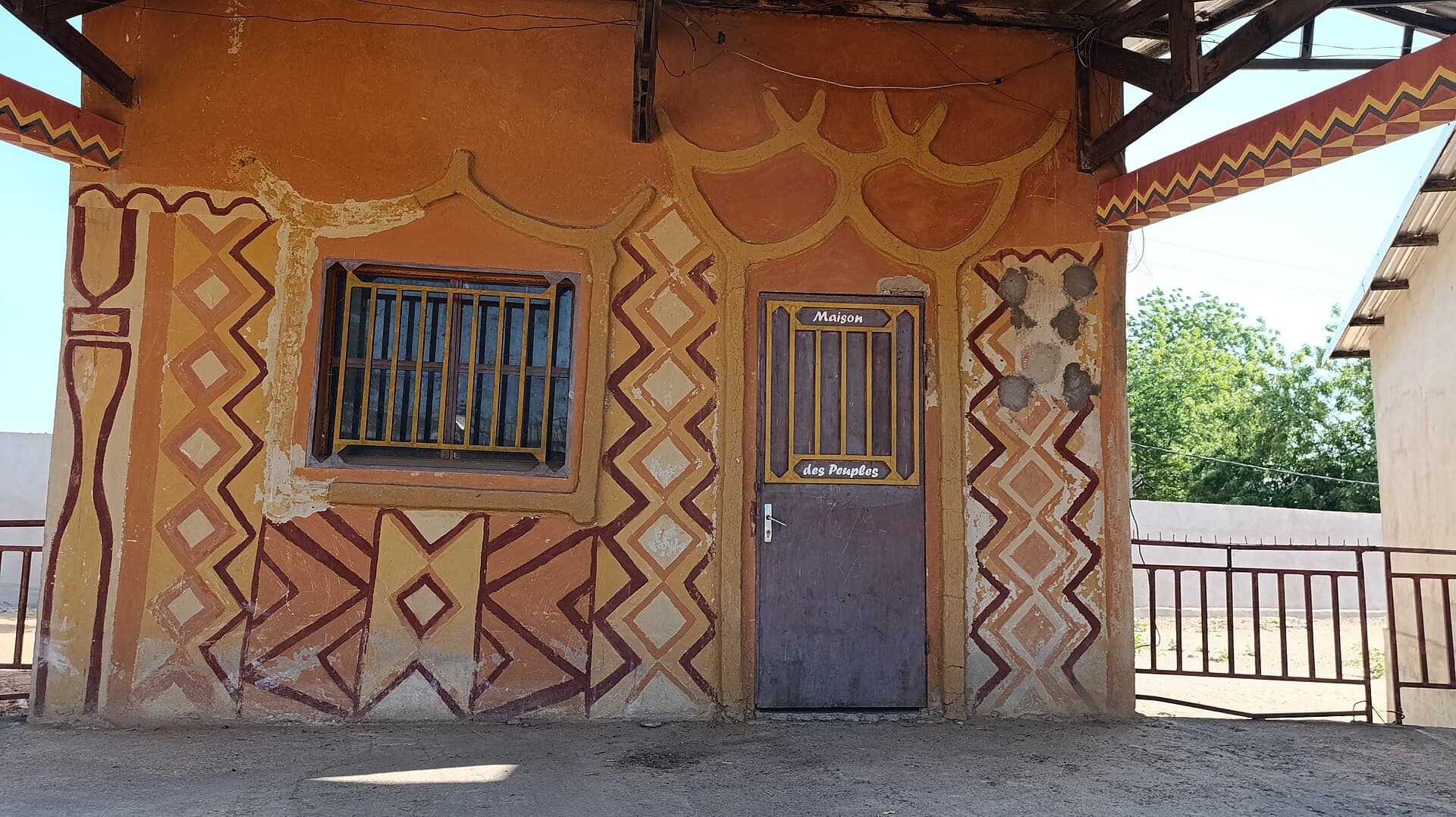
Exhibits trace the valley’s history from Neolithic settlements through the rise of fortified Kotoko city-states. Large-scale displays include reconstructed house facades with distinctive Musgum mud architecture patterns and cases of excavated beads and iron tools. Temporary exhibitions rotate through themes such as indigo dyeing techniques or riverine fishing implements.
Outdoor Spaces and Demonstrations
A shaded courtyard hosts occasional craft demonstrations where local artisans demonstrate basketry and leatherwork using techniques unchanged for generations. The adjacent garden features drought-resistant plants traditionally used for dyes and medicines, offering insight into the environmental knowledge of valley residents.
How to Get There
The museum lies near the main north-south route through Cameroon’s Far North Region. Most travelers fly into Maroua, then continue by road vehicle or shared transport southward along the Logone floodplain. The journey passes through agricultural landscapes and small market towns where visitors can observe daily life tied to the river.
Best Time to Visit
The coolest and driest months, from November through March, provide the most comfortable conditions for travel and outdoor exploration. The rainy season from June to September can make secondary roads impassable and increases mosquito activity, though the museum building itself remains accessible year-round.
Nearby Places Worth Exploring
Combine a museum visit with a trip to Waza National Park for wildlife viewing or to the ancient settlement mounds scattered across the Logone plain. Markets in nearby towns offer opportunities to purchase contemporary versions of the textiles and ceramics seen in the galleries.