Why Visit Massif de Mora
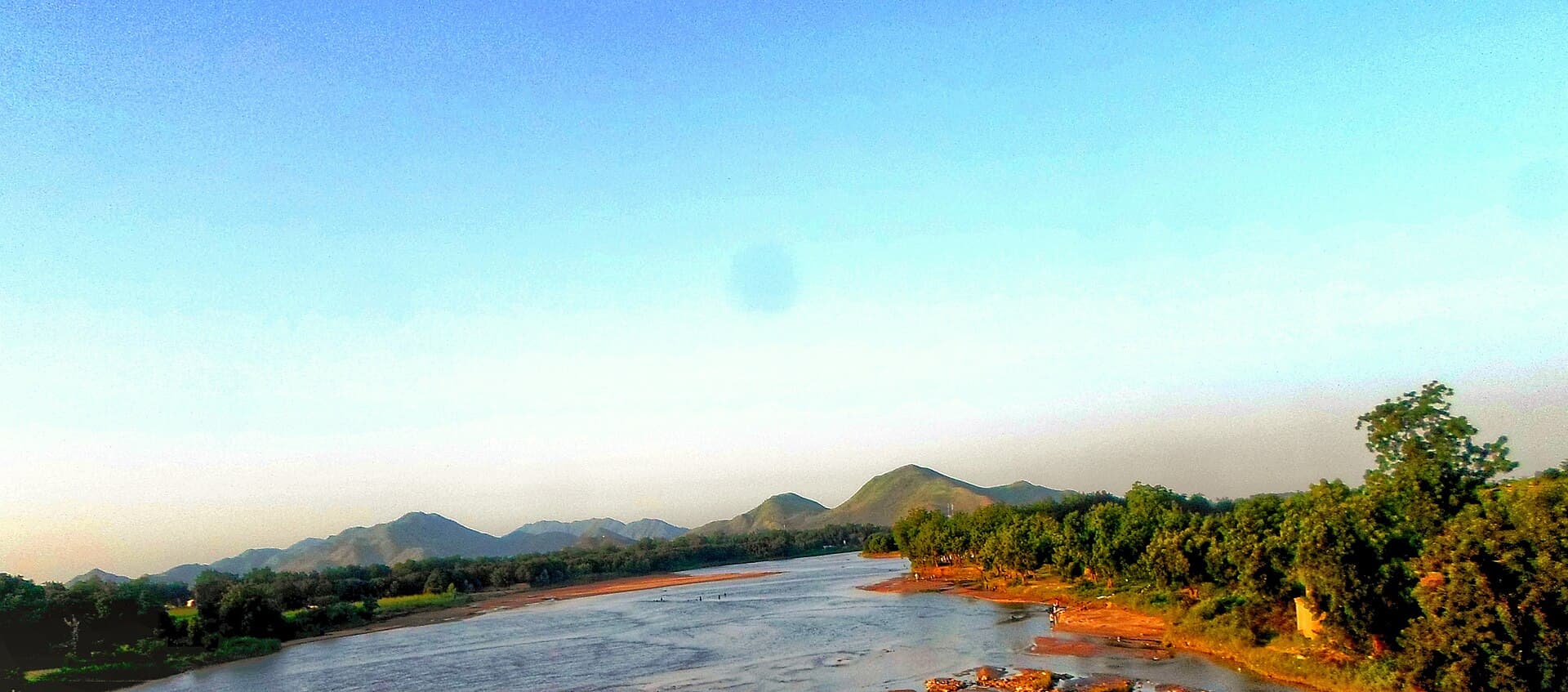
Massif de Mora rises sharply from the plains of Cameroon’s Far North, offering hikers dramatic rocky outcrops, sweeping views toward the Mandara Mountains, and a sense of remote wilderness rarely found elsewhere in the country. The massif forms part of the larger volcanic chain that shapes the region’s geology, with steep slopes, boulder fields, and seasonal streams that support hardy vegetation and birdlife.
Getting There
Most travelers reach the area by first flying or driving to Maroua, the regional hub. From Maroua a paved then graded road leads north to Mora town in roughly two hours. Local motorcycle taxis or hired 4×4 vehicles can take visitors the final stretch to trailheads on the massif’s lower slopes. Public transport ends in Mora, so arranging onward transport in advance is essential.
Best Time to Visit
The dry season from November to April provides the most reliable conditions for hiking, with clear skies and firm ground. The rainy season brings lush greenery but also slippery paths, flash floods in gullies, and limited visibility. Early morning starts are advisable year-round to avoid midday heat.
Activities and What to See
Well-used footpaths climb through acacia woodland and past granite domes to viewpoints overlooking the Logone floodplain. Birdwatchers may spot hornbills and raptors, while geology enthusiasts can examine exposed basalt and granite formations. Local guides often point out seasonal waterholes and traditional Fulani or Mafa settlements at the base. Multi-day treks can link several peaks, though most visitors opt for day hikes returning to Mora.
Nearby Attractions
The massif lies close to Waza National Park, known for large mammal sightings, and the historic town of Mokolo with its weekly markets. Travelers often combine a visit to Massif de Mora with a stop at the Mandara Mountains further west for a fuller picture of the region’s dramatic terrain and cultural diversity.