Skip to content
Plan & Tour
DestinationsItinerariesTravel BlogAboutContact
0Sign inPlan a trip
Plan & TourPlan & Tour

Travel guides, destination inspiration and curated itineraries for Canada, the USA and beyond, plus a free tool to plan your own day-by-day trip.

Get travel inspiration

Explore

  • All Destinations
  • Curated Itineraries
  • Travel Blog
  • Plan a Trip

Topics

  • Hiking & Nature
  • Food & Drink
  • City Breaks
  • Budget Travel

Company

  • About Us
  • Contact
  • Privacy Policy
  • Terms of Service

© 2026 Plan & Tour. Built for travellers.

Discover the world, one trip at a time.

The Tiétar River: Exploring a Serene Waterway in Castile-La Mancha
  1. Home
  2. Destinations
  3. Castile–La Mancha
  4. The Tiétar River: Exploring a Serene Waterway in Castile-La Mancha
River

The Tiétar River: Exploring a Serene Waterway in Castile-La Mancha

Follow the gentle course of the Tiétar through oak woodlands and historic villages in rural Spain.

Castile–La ManchaUpdated 24 November 2026

Introduction to the Tiétar River

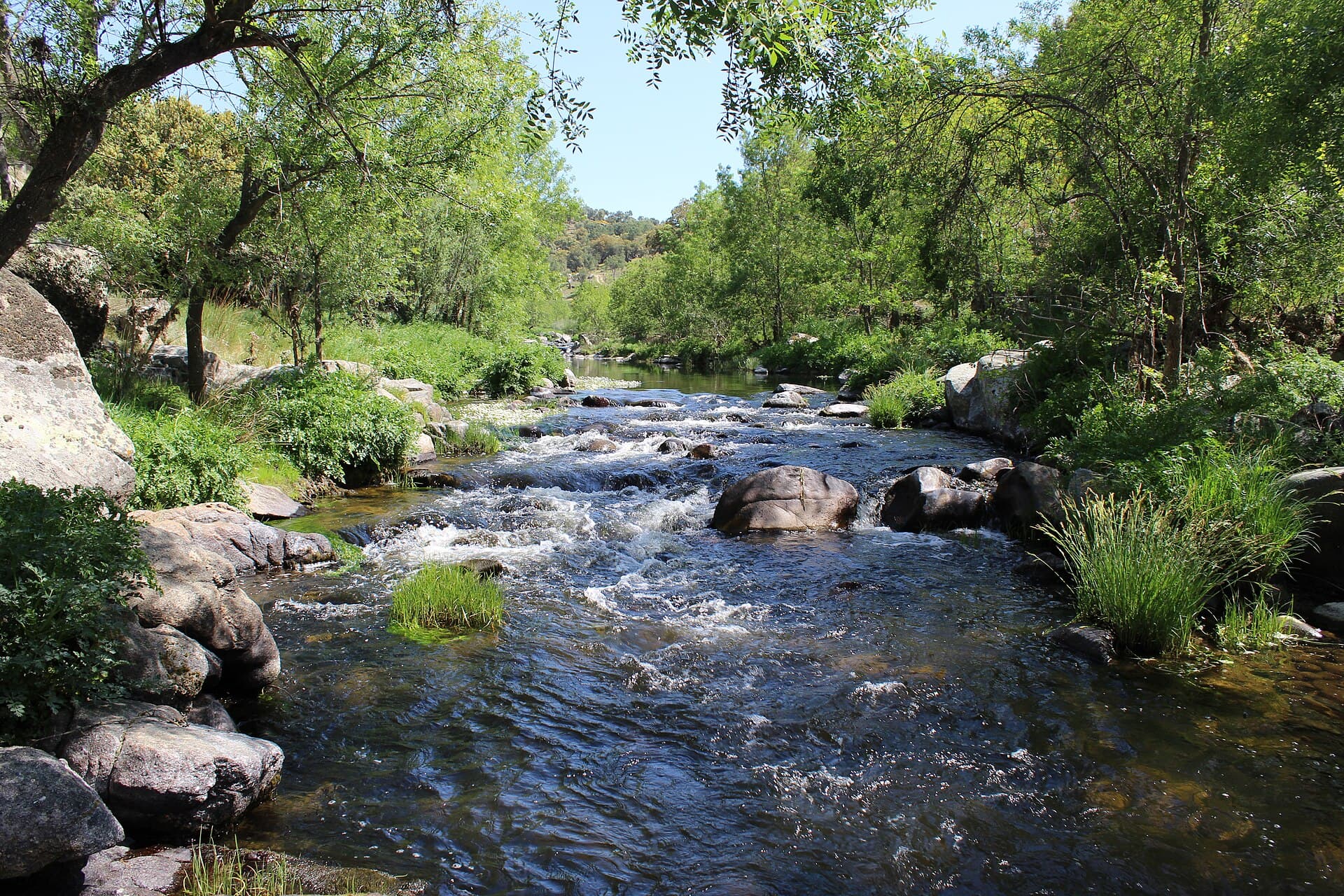
The Tiétar River rises in the mountains of western Castile-La Mancha and flows westward as a major tributary of the Tagus. Its clear waters carve through cork-oak and holm-oak forests, creating a corridor of biodiversity that supports otters, kingfishers, and large populations of griffon and black vultures. Travelers come here for quiet riverbank walks, gentle paddling, and the chance to experience unspoiled countryside far from crowded coastal resorts.

What to See and Do

Walking and Hiking Trails

Marked paths follow the river for many kilometres. One popular route links the village of La Iglesuela del Tiétar with upstream meadows where Roman bridges still span small tributaries. Shorter loops around the Embalse de Rosarito reservoir offer flat terrain suitable for families.

Water Activities

In spring and early summer the Tiétar provides calm sections ideal for canoe or kayak excursions. Local outfitters supply equipment and transport; no previous experience is required on the lower reaches. Anglers target barbel and trout in the deeper pools, provided they hold the appropriate regional licence.

Birdwatching

Early morning visits to the river cliffs reward observers with sightings of Egyptian vultures and booted eagles. Several observation hides have been installed near the confluence with the Tagus; patience and binoculars are essential.

How to Get There

The most practical approach is by car. From Madrid, take the A-5 motorway southwest and exit toward Oropesa or La Iglesuela del Tiétar; the journey takes roughly two hours. Regional buses serve the larger towns along the valley, though onward connections to riverside hamlets are limited. Once there, a bicycle or sturdy walking shoes opens the best viewpoints.

Best Time to Visit

Spring (March to May) brings wildflowers and comfortable temperatures for walking. Autumn (September to November) offers milder days and fewer insects. Summer can be hot and the river level low; winter is mild but occasionally wet, turning paths muddy.

Nearby Attractions

Combine a river visit with the medieval castle at Oropesa or the Roman ruins at Talavera de la Reina. The Sierra de Gredos lies a short drive north, offering dramatic granite peaks and alpine meadows for those wanting more strenuous hikes.

Visitor tips

  • Carry plenty of water and sun protection; shade is sparse along much of the riverbank.
  • Respect private land and stay on marked paths to avoid disturbing nesting birds.
  • Check river levels after heavy rain; some fords become impassable.

Frequently asked questions

Can I swim in the Tiu00e9tar River?+

Yes, several natural pools are safe for swimming when water levels are normal, though currents can be stronger than they appear.

Are there facilities such as toilets or cafu00e9s along the river?+

Amenities are limited outside the main villages; plan to carry food and water or return to nearby towns for meals.

Is the Tiu00e9tar suitable for children?+

Gentle riverside paths and calm stretches work well for older children; supervise younger ones near the water.

Do I need a permit for fishing?+

A regional fishing licence is required; day permits are available from local tourism offices or online.

How crowded does the area become in peak season?+

The Tiu00e9tar remains relatively quiet even in summer; weekends near the reservoir see more visitors than mid-week.

Share
Google Maps Apple Maps Directions

Image: Asqueladd · CC BY-SA 3.0 · via Wikimedia Commons

Keep reading

Nearby & related

All stories
Castle of Zafra: Exploring the Isolated Medieval Stronghold in Castile-La Mancha
Campillo de Dueñas

Castle of Zafra: Exploring the Isolated Medieval Stronghold in Castile-La Mancha

This 12th-century fortress stands alone on a sandstone ridge, offering hikers and history lovers a rare glimpse of…

24 November 2026
Calatrava la Vieja Castle: Exploring the Medieval Fortress of the Order of Calatrava
Carrión de Calatrava

Calatrava la Vieja Castle: Exploring the Medieval Fortress of the Order of Calatrava

Uncover the ruins of this pivotal 12th-century stronghold that shaped the Reconquista in Spain’s La Mancha region.

24 November 2026
Záncara River: Exploring La Mancha’s Quiet Tributary in Ciudad Real
Province of Ciudad Real

Záncara River: Exploring La Mancha’s Quiet Tributary in Ciudad Real

Follow the gentle course of the Záncara through historic plains, wetlands, and quiet villages of Castile-La Mancha.

24 November 2026