
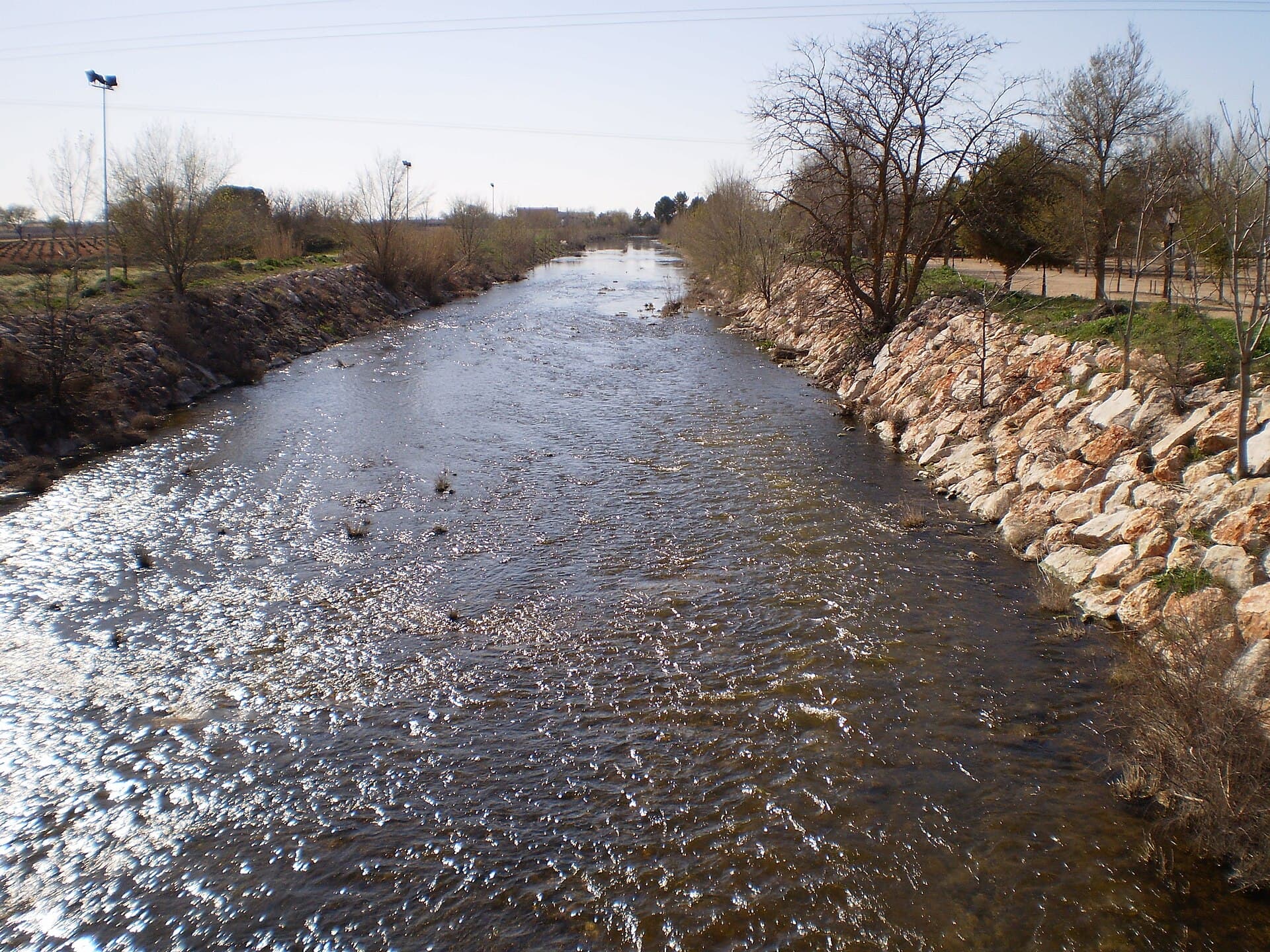
Záncara River: Exploring La Mancha’s Quiet Tributary in Ciudad Real
Follow the gentle course of the Záncara through historic plains, wetlands, and quiet villages of Castile-La Mancha.
Why the Záncara River Draws Visitors
The Záncara rises on the plains of Ciudad Real province and flows northwest as a key tributary of the Guadiana. Its slow-moving waters support fertile farmland, reed beds, and seasonal wetlands that attract birdwatchers and walkers seeking an authentic slice of rural La Mancha away from busier tourist routes.
Scenic Walks and Natural Highlights
Flat riverside tracks run alongside much of the Záncara, offering easy strolls or longer hikes through poplar groves and open steppe. Look for herons, kingfishers, and wintering waterfowl in the marshes near its confluence zones. Spring wildflowers carpet the banks, while autumn brings golden light across harvested fields and distant windmills.
Wildlife and Landscape
The river corridor forms part of the broader La Mancha wetland system. Patient observers may spot otters or terrapins in quieter stretches. The surrounding flat terrain makes the area ideal for cycling or photography at sunrise and sunset.
Getting There and Getting Around
The nearest major access points lie near Alcázar de San Juan and Campo de Criptana, both served by regional trains from Madrid. Local buses or taxis reach smaller villages such as Pedro Muñoz and Socuéllamos that sit close to the river. Once there, marked paths and quiet country roads allow exploration on foot or by bicycle; a car is useful for reaching more remote sections.
Best Time to Visit
Early spring (March–May) and autumn (September–November) provide comfortable temperatures and active birdlife. Summer can be hot and dry, while winter brings crisp air and occasional flooding that enriches the wetlands but may limit access.
Nearby Places Worth Combining
Combine a Záncara visit with the windmills and Cervantes sites around Campo de Criptana, the wetlands of Tablas de Daimiel National Park to the northwest, or the historic center of Alcázar de San Juan. These attractions lie within a short drive and illustrate the cultural and natural layers of the region.
Visitor tips
- Bring binoculars and a field guide; the river corridor is rich in bird species but sightings require patience and quiet.
- Check local weather and recent rainfall before heading out, as low-lying paths can become muddy or flooded after heavy showers.
- Carry water and sun protection year-round; shade is limited along many open stretches of the river.
Frequently asked questions
Can I swim or kayak on the Zu00e1ncara?
The river is generally too shallow and slow for most water sports, though short paddles are possible in deeper pools during spring. Always check local conditions first.
Are there marked trails along the river?
Informal paths follow much of the course, but official signage is limited outside protected wetland zones. Download offline maps before setting out.
What villages make good bases for exploring the Zu00e1ncara?
Pedro Muu00f1oz and Socuu00e9llamos offer simple accommodations and easy access to riverside tracks; Alcu00e1zar de San Juan provides more services and transport links.
Is fishing permitted along the Zu00e1ncara?
Recreational fishing is allowed in designated stretches with a regional license. Respect seasonal restrictions and private land boundaries.
How does the Zu00e1ncara connect to Don Quixote country?
The river flows through the same La Mancha plains featured in Cervantesu2019 novel; many nearby windmills and villages lie within a short drive of its banks.