Skip to content
Plan & Tour
DestinationsItinerariesTravel BlogAboutContact
0Sign inPlan a trip
Plan & TourPlan & Tour

Travel guides, destination inspiration and curated itineraries for Canada, the USA and beyond, plus a free tool to plan your own day-by-day trip.

Get travel inspiration

Explore

  • All Destinations
  • Curated Itineraries
  • Travel Blog
  • Plan a Trip

Topics

  • Hiking & Nature
  • Food & Drink
  • City Breaks
  • Budget Travel

Company

  • About Us
  • Contact
  • Privacy Policy
  • Terms of Service

© 2026 Plan & Tour. Built for travellers.

Discover the world, one trip at a time.

The Nuevo Guadalquivir River: Tarija’s Scenic Heart in Bolivia’s Wine Country
  1. Home
  2. Destinations
  3. Tarija Department
  4. The Nuevo Guadalquivir River: Tarija’s Scenic Heart in Bolivia’s Wine Country
River

The Nuevo Guadalquivir River: Tarija’s Scenic Heart in Bolivia’s Wine Country

Winding through the fertile valleys of Tarija Department, this river anchors Bolivia's finest vineyards and offers travelers a blend of nature and culture.

Tarija DepartmentUpdated 13 October 2026

Why the Nuevo Guadalquivir River Stands Out

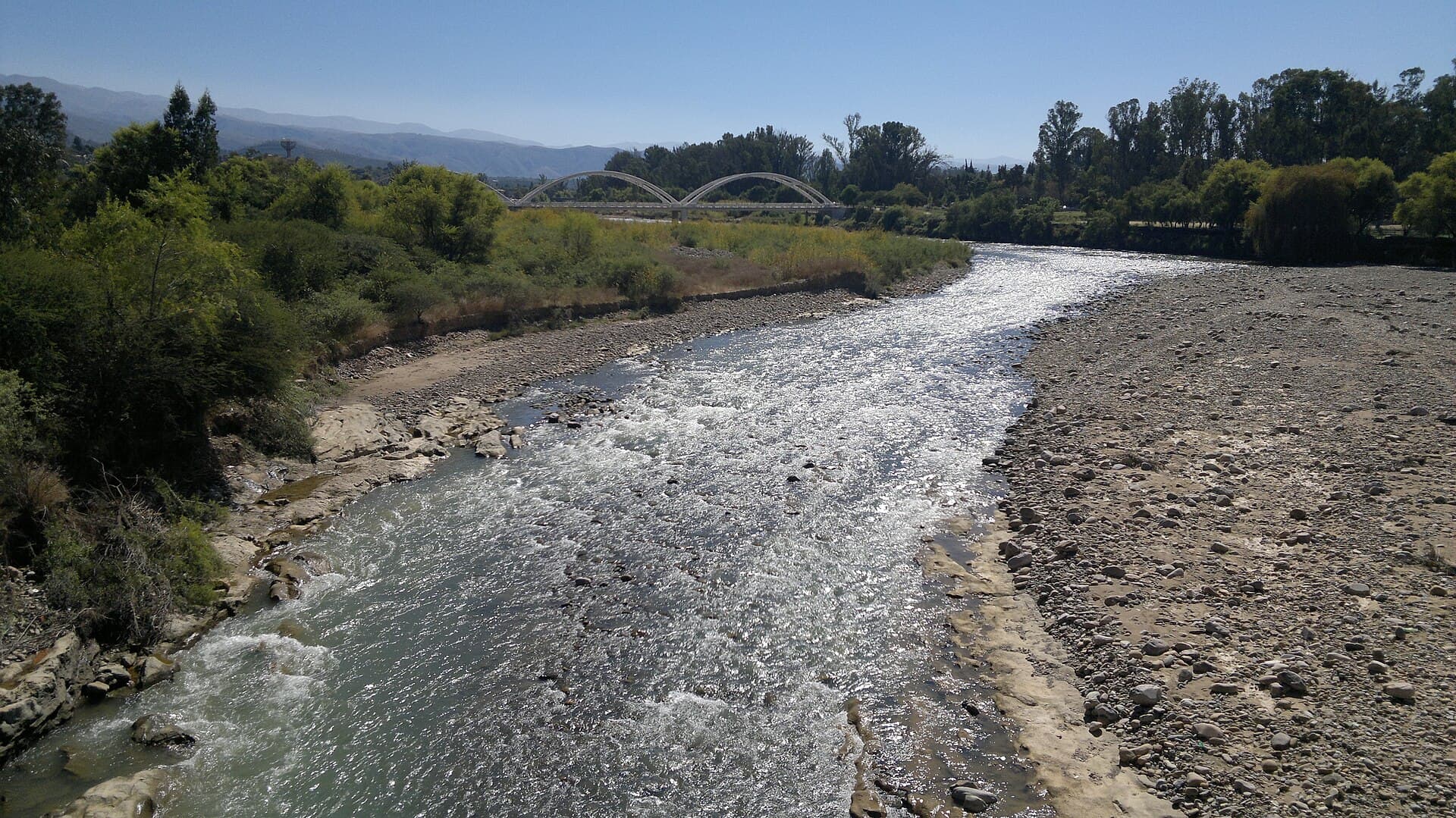
The Nuevo Guadalquivir River cuts through the Tarija valley, creating a lush corridor of vineyards that produce some of Bolivia’s most celebrated wines. Unlike faster highland rivers, its gentle flow supports extensive agriculture while carving dramatic bends framed by low Andean foothills. Visitors come for the combination of reliable sunshine, fertile soil, and easy access to both riverside scenery and nearby colonial towns.

What to See and Do

Walk or cycle along the riverbanks near the city of Tarija to watch local farmers tend vines that stretch to the water’s edge. Several family-run bodegas offer tastings with views directly over the river; the contrast between the green valley floor and the surrounding arid hills is striking. Birdwatchers often spot herons and kingfishers along quieter stretches, while photographers favor golden-hour light reflecting off the water against the red-tiled roofs of nearby villages.

Short rafting or tubing excursions are possible during higher water months, though most travelers prefer relaxed riverside picnics or drives that follow the river toward the village of San Lorenzo. The river also serves as a natural guide for exploring the surrounding wine route, linking multiple estates without needing extensive backtracking.

Getting There

Most visitors arrive via the city of Tarija, which sits directly on the river. Domestic flights land at Capitán Oriel Lea Plaza Airport, a short taxi ride from the center. From La Paz or Santa Cruz, long-distance buses reach Tarija in roughly 20 hours; many travelers break the journey with an overnight stop. Once in Tarija, local buses and shared taxis run along the river valley toward San Lorenzo and the main winery cluster in under an hour.

Best Time to Visit

The dry season from April through October brings clear skies and comfortable daytime temperatures ideal for outdoor exploration. Grape harvest peaks in March and early April, when festivals celebrate the new vintage. Avoid January and February, when heavy rains can swell the river and limit access to some rural roads.

Nearby Attractions

Combine a river visit with the colonial streets of Tarija’s historic center, the paleontological museum displaying giant ground-sloth fossils, or the scenic drive to the narrow canyons east of the valley. Many travelers extend their stay to include the Reserva Nacional de Flora y Fauna Tariquía, a short distance south where the river’s watershed supports higher-elevation cloud forest.

Visitor tips

  • Rent a bicycle in Tarija for flexible exploration along the flat riverside paths; carry water and sun protection as shade is limited outside the vineyards.
  • Pair river visits with scheduled bodega tours in advance, especially during harvest season when family-run wineries fill quickly with local visitors.
  • Carry cash in small denominations for roadside fruit stands and informal riverfront food vendors, as card acceptance remains inconsistent outside central Tarija.

Frequently asked questions

Can I swim in the Nuevo Guadalquivir River?+

Swimming is possible in calmer sections during the dry season, but currents strengthen after rain and water quality varies; locals usually prefer designated spots near San Lorenzo.

How far is the river from Tarija city center?+

The river runs directly through the city, so central neighborhoods sit within a 10- to 15-minute walk of the banks; the main vineyard stretch begins just south of town.

Are there boat tours on the river?+

Small motorized launches and occasional kayaking outings depart from riverside points near Tarija, though most tourism focuses on winery visits rather than extended river cruises.

What should I wear for a day along the Nuevo Guadalquivir?+

Light, breathable clothing, a hat, and sturdy shoes for vineyard paths work best; evenings cool quickly, so bring a light jacket even in the dry season.

Is the area around the river safe for solo travelers?+

Daytime visits to the main riverside paths and wineries are generally relaxed; stick to populated areas after dark and use registered taxis when returning to Tarija.

Share
Google Maps Apple Maps Directions

Image: Fchgds · CC BY-SA 3.0 · via Wikimedia Commons

Keep reading

Nearby & related

All stories
C
Tarija Department

Caraparí River: A Scenic Waterway Through Tarija’s Southern Landscapes

Discover Bolivia’s Caraparí River for its tranquil banks, birdlife, and access to remote Tarija wilderness.

13 October 2026
Tajzara Lake: Bolivia’s Highland Flamingo Sanctuary in Tarija
Tarija Department

Tajzara Lake: Bolivia’s Highland Flamingo Sanctuary in Tarija

Tajzara Lake rewards visitors with rare high-altitude birdlife, sweeping Andean vistas, and quiet trails in Bolivia’s…

12 October 2026
Serranía del Aguaragüe: Trekking Bolivia’s Remote Tarija Mountain Range
Tarija Department

Serranía del Aguaragüe: Trekking Bolivia’s Remote Tarija Mountain Range

This rugged national park near Tarija delivers subtropical canyons, diverse wildlife, and quiet trails away from…

12 October 2026