Why Visit the Caraparí River
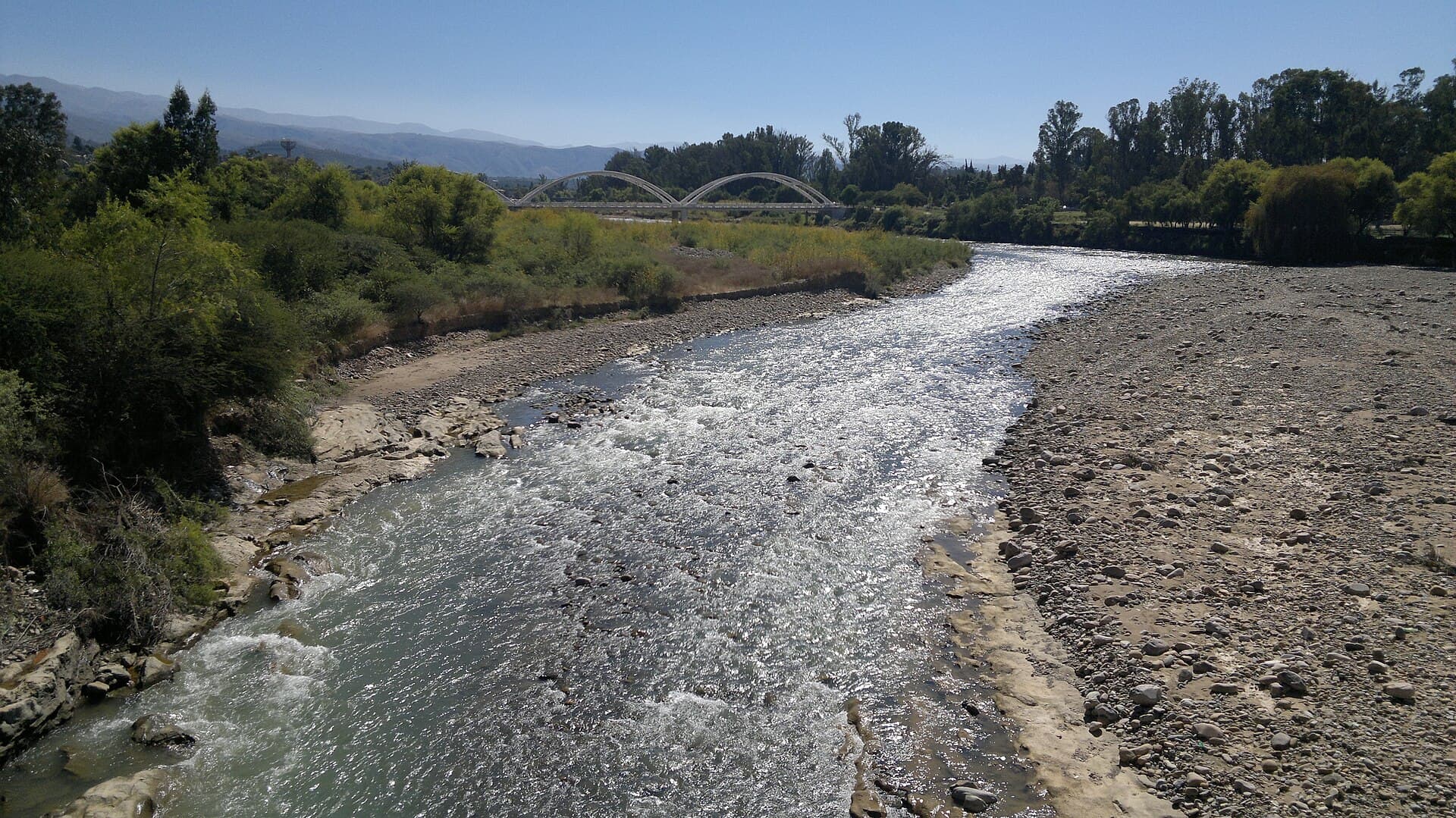
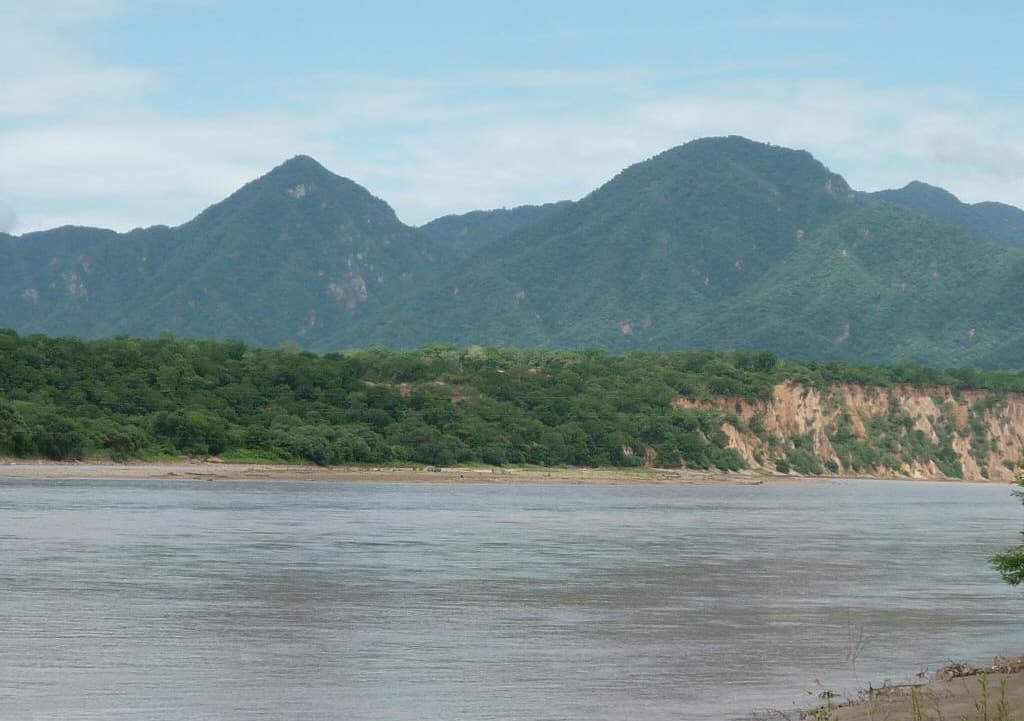
The Caraparí River cuts through the Tarija Department in southern Bolivia, offering visitors a quiet escape into semi-arid valleys and scrubland typical of the transition zone between the Andes foothills and the Chaco. Its clear waters support local agriculture and wildlife, making it a practical base for low-impact exploration rather than crowded sightseeing.
What to See and Do
Walk or drive along unpaved roads that parallel the river for views of eroded banks and occasional stands of algarrobo trees. Birdwatching rewards patience here, with species such as the Andean flicker and various tyrant-flycatchers frequenting the riparian corridor. Local guides can point out fishing spots where tilapia and smaller native species are caught with simple tackle. Short hikes lead to viewpoints overlooking the river’s meanders, especially rewarding at sunrise when mist lingers in the valley.
Practical Exploration
- Pack sturdy shoes for rocky riverbed sections that become accessible during lower water levels.
- Carry water and sun protection, as shade is limited outside the narrow gallery forest.
- Respect private land boundaries that often reach the river’s edge.
Getting There
Reach the river from Tarija city by heading southeast on the main highway toward Yacuiba, then turning onto secondary roads near the town of Caraparí. Four-wheel-drive vehicles handle the final gravel stretches best, though regular buses to nearby settlements allow onward travel by moto-taxi or on foot. The coordinates place the main accessible stretch roughly 200 kilometers from Tarija, a full day’s journey by public transport.
Best Time to Visit
Plan trips between May and October when rainfall is minimal and river levels remain stable for safe walking and fishing. The wet season from November to April brings flash floods that can isolate sections of the valley and make roads impassable.
Nearby Attractions
Combine a river visit with stops in the town of Caraparí for regional cheese and empanadas, or continue south toward the Pilcomayo River for larger-scale wetlands. The area also serves as a gateway to the drier Chaco plains where armadillos and rheas can be spotted from the roadside.