Why Tajzara Lake Stands Out
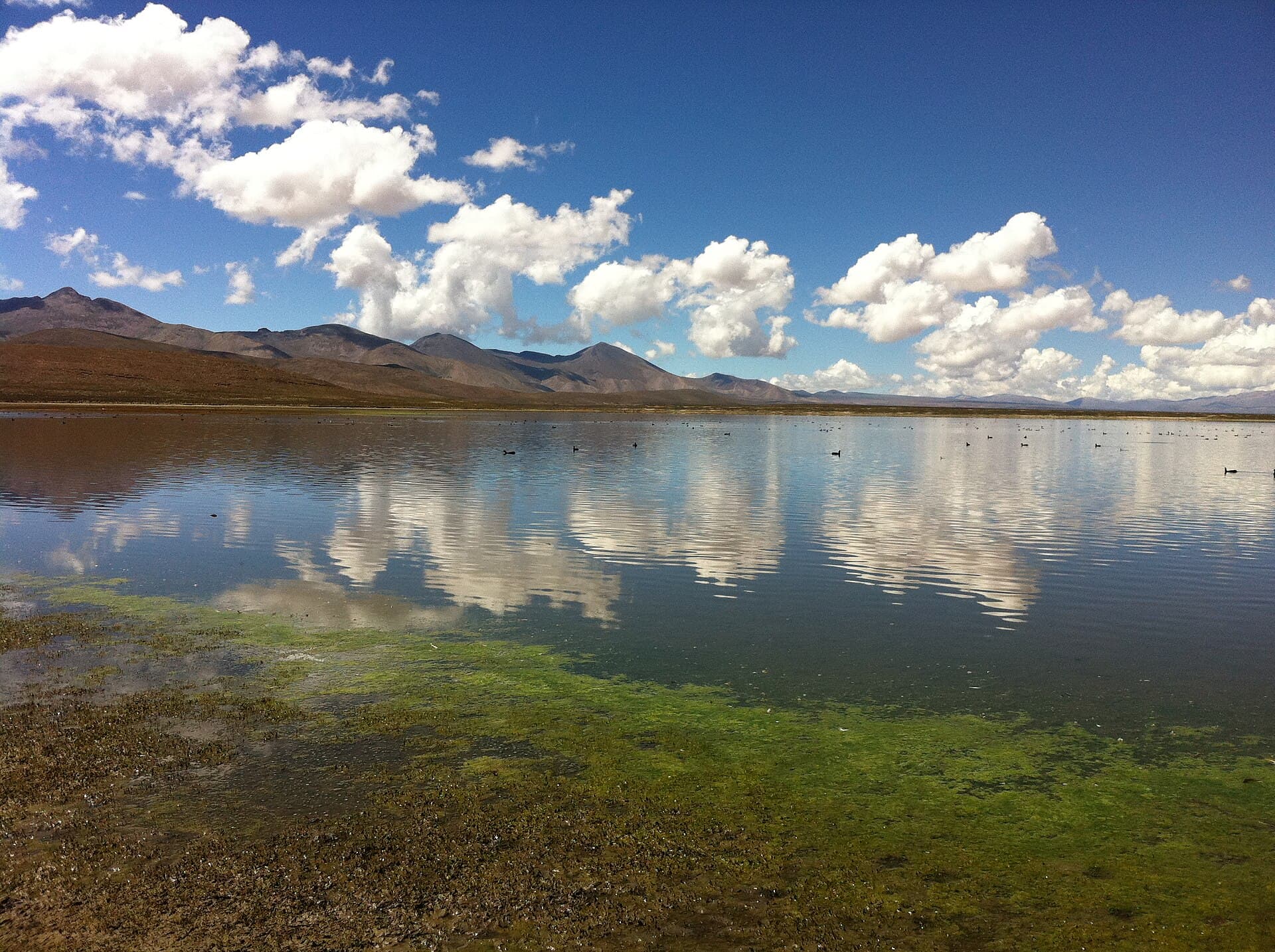
Tajzara Lake sits at over 3,800 meters in the Tarija Department, forming part of a highland wetland system that draws Andean flamingos, vicuñas, and migratory birds. Its shallow, mineral-rich waters reflect surrounding peaks, creating a stark, luminous landscape far from crowds. The lake’s isolation preserves a sense of wilderness while remaining reachable from Tarija city in a few hours.
Getting There
Most travelers start in Tarija and continue by private vehicle or arranged transfer along the winding road toward the Cordillera de Sama. The final stretch crosses open puna grasslands; four-wheel-drive vehicles handle the unpaved sections best. Public transport is limited, so many visitors join a day tour or hire a driver familiar with the route. Allow extra time for altitude acclimatization before the journey.
Best Time to Visit
The dry season from May to October brings clearer skies and easier road access, with flamingos often visible in large groups. November to April can deliver dramatic thunderstorms and greener surroundings, though some roads become impassable. Early morning visits maximize bird activity and avoid afternoon winds that ripple the lake surface.
Things to See and Do
Birdwatching tops most itineraries; patient observers spot three flamingo species feeding along the shoreline. Short hikes along the lakeshore and nearby ridges reveal vicuña herds and panoramic views toward the Argentine border. Photographers favor the golden-hour light that turns the water copper and the distant mountains rose-colored. Those staying longer can combine the lake with gentle treks into the surrounding puna, watching for rheas and Andean foxes.
Nearby Attractions
The broader Reserva Biológica Cordillera de Sama offers additional highland lakes and cloud-forest patches. Tarija itself provides wine routes, colonial architecture, and fossil sites that pair naturally with a lake visit. Travelers often extend the trip to the thermal springs near San Andrés or the dinosaur footprints at Cal Orck’o for a fuller picture of southern Bolivia’s landscapes.