Skip to content
Plan & Tour
DestinationsItinerariesTravel BlogAboutContact
0Sign inPlan a trip
Plan & TourPlan & Tour

Travel guides, destination inspiration and curated itineraries for Canada, the USA and beyond, plus a free tool to plan your own day-by-day trip.

Get travel inspiration

Explore

  • All Destinations
  • Curated Itineraries
  • Travel Blog
  • Plan a Trip

Topics

  • Hiking & Nature
  • Food & Drink
  • City Breaks
  • Budget Travel

Company

  • About Us
  • Contact
  • Privacy Policy
  • Terms of Service

© 2026 Plan & Tour. Built for travellers.

Discover the world, one trip at a time.

The Church of Santa Giusta: A Romanesque Landmark in L’Aquila
  1. Home
  2. Destinations
  3. L'Aquila
  4. The Church of Santa Giusta: A Romanesque Landmark in L’Aquila
Church

The Church of Santa Giusta: A Romanesque Landmark in L’Aquila

This 13th-century church in Abruzzo's capital showcases medieval stonework and quiet spiritual atmosphere amid the city's rebuilt historic core.

L'AquilaUpdated 15 August 2026

Why Visit the Church of Santa Giusta

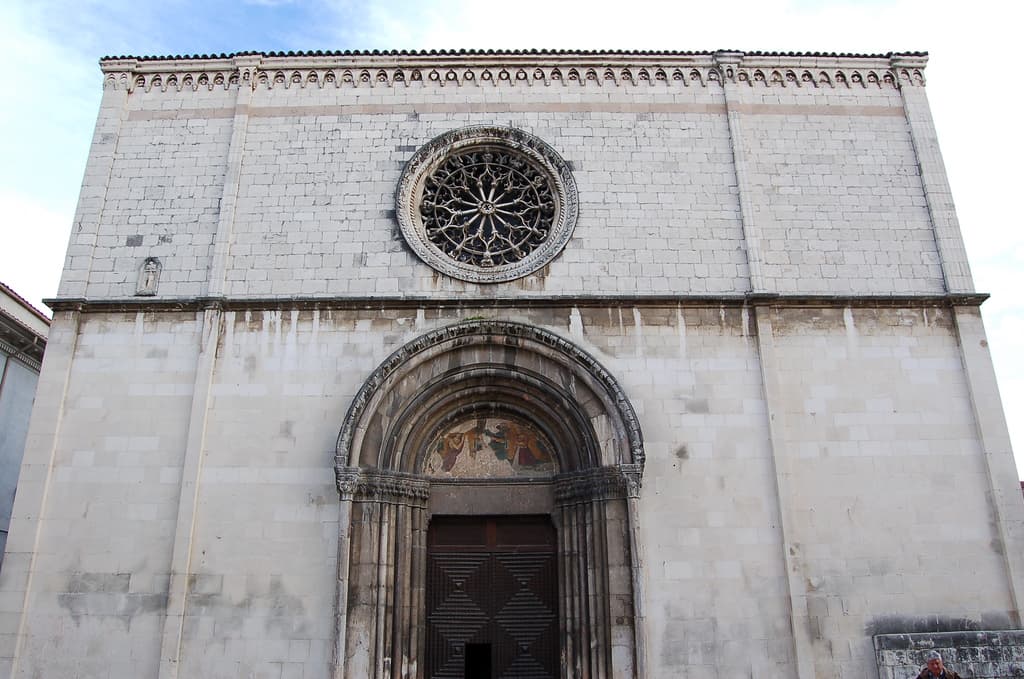
The Church of Santa Giusta stands as one of L’Aquila’s earliest surviving religious buildings, built in the Romanesque style that defines much of the region’s medieval heritage. Its simple yet robust stone facade, featuring a central rose window and sculpted portals, reflects the architectural traditions brought by Benedictine monks who influenced construction across Abruzzo. Inside, visitors encounter a single-nave layout with preserved fresco fragments and a crypt that hints at earlier foundations, offering a tangible connection to the city’s layered past.

Architectural Highlights

The exterior uses local limestone blocks arranged in precise patterns typical of 1200s workmanship. Look for the carved lions flanking the main doorway and the geometric motifs around the windows. These details survived the 2009 earthquake thanks to earlier restorations and now stand as examples of resilient Abruzzese building techniques. The bell tower, slightly offset from the main body, adds an asymmetric charm often seen in churches of this period.

How to Reach the Church

Located in L’Aquila’s historic center near Piazza Santa Giusta, the church sits within easy walking distance of the main bus terminal and the city’s central railway station. Drivers can park in designated lots outside the pedestrian zone and continue on foot along Via Santa Giusta. Regional trains from Rome or Pescara connect directly to L’Aquila, after which local buses or a short uphill walk lead to the site. The surrounding streets remain largely traffic-free, making the approach pleasant for pedestrians.

Best Time to Visit and Nearby Attractions

Spring and early autumn provide the most comfortable conditions for exploring the stone-paved surroundings without summer crowds or winter chill. Combine a visit with the nearby Basilica of San Bernardino, known for its ornate Baroque interior, or the Forte Spagnolo, a 16th-century fortress housing the National Museum of Abruzzo. The Gran Sasso mountain range lies just north, offering dramatic views on clear days and opportunities for day hikes after seeing the church.

Practical Considerations for Visitors

  • The interior remains cool year-round due to thick stone walls, so bring a light layer even in warmer months.
  • Photography is generally permitted without flash to protect any remaining frescoes.
  • Quiet moments are easiest to find early in the morning or late afternoon when tour groups are fewer.

Visitor tips

  • Pair your visit with a walk through L'Aquila's post-restoration historic center to appreciate how the city has preserved its medieval layout alongside modern rebuilding efforts.
  • Wear sturdy shoes, as the approach involves uneven cobblestones and short slopes typical of the old town.
  • Check local event calendars for occasional concerts or processions that highlight the church's role in community traditions without needing advance reservations.

Frequently asked questions

What architectural style defines the Church of Santa Giusta?+

It exemplifies Romanesque architecture with its solid stone construction, rounded arches, and decorative elements like the rose window and sculpted portals from the 13th century.

Is the Church of Santa Giusta suitable for visitors with mobility needs?+

The main entrance is at street level, but the surrounding historic streets are paved with cobblestones; the interior has a level floor once inside, though steps lead to the crypt area.

Can visitors attend religious services at the church?+

The church continues to serve the local parish, so Mass times vary; respectful visitors may attend when services are underway outside of private ceremonies.

How does the Church of Santa Giusta relate to L'Aquila's history?+

Founded in the medieval period, it represents the city's early religious and civic development and has been maintained through centuries of seismic events and urban growth.

Are there any restrictions on photography inside the church?+

Non-flash photography is usually allowed to document the stonework and any visible artworks, but always respect signs or staff guidance during services.

Share
Google Maps Apple Maps Directions

Image: elparainbow · CC BY 2.0 · via Wikimedia Commons

Keep reading

Nearby & related

All stories
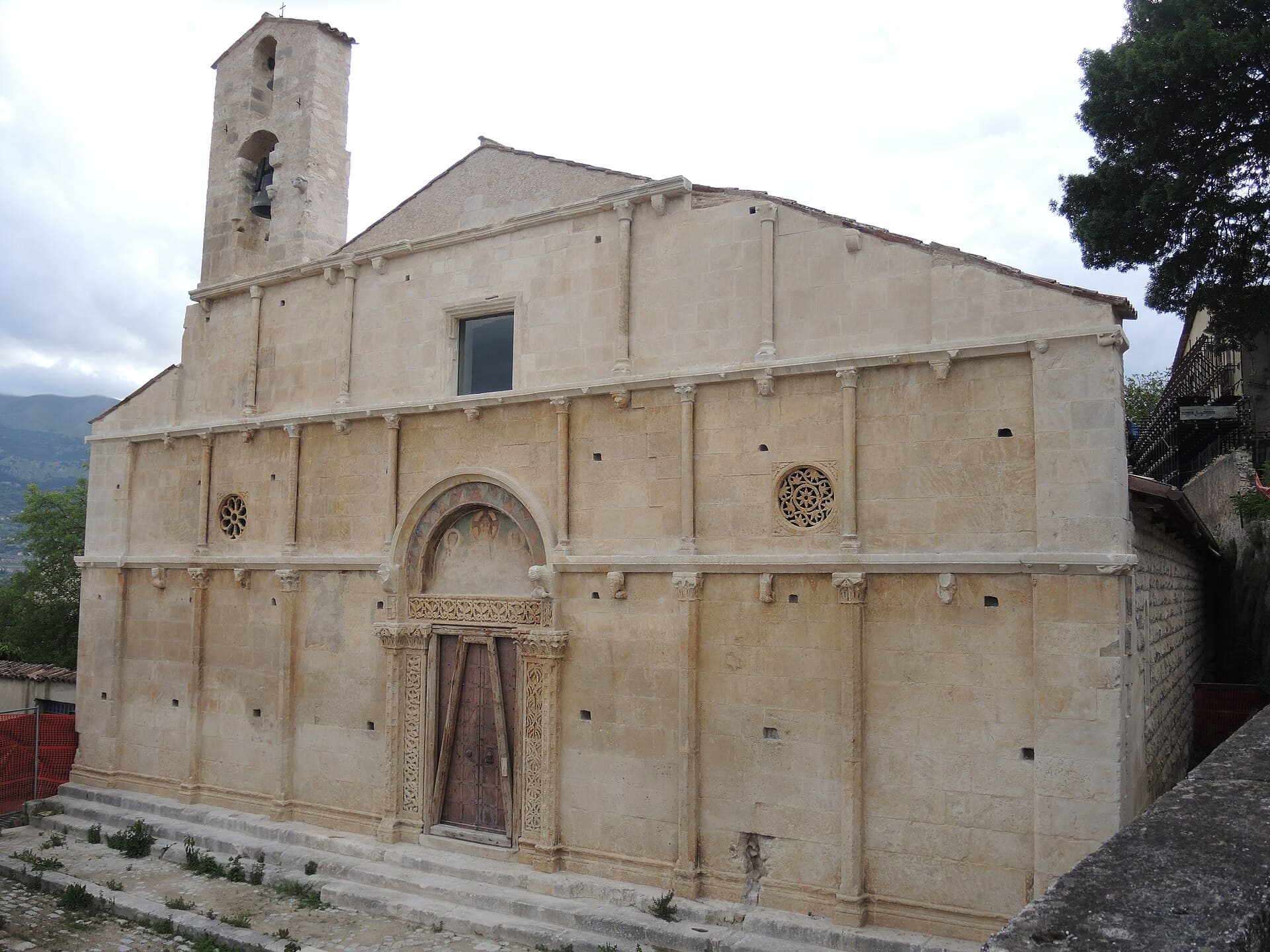
Church of Santa Giusta fuori le mura: L’Aquila’s Serene Romanesque Outpost
L'Aquila

Church of Santa Giusta fuori le mura: L’Aquila’s Serene Romanesque Outpost

Step outside the city walls to discover this 13th-century church’s quiet stone facade and layered history amid Abruzzo’s…

15 August 2026
San Silvestro Church in L’Aquila: Romanesque Heritage in Abruzzo
L'Aquila

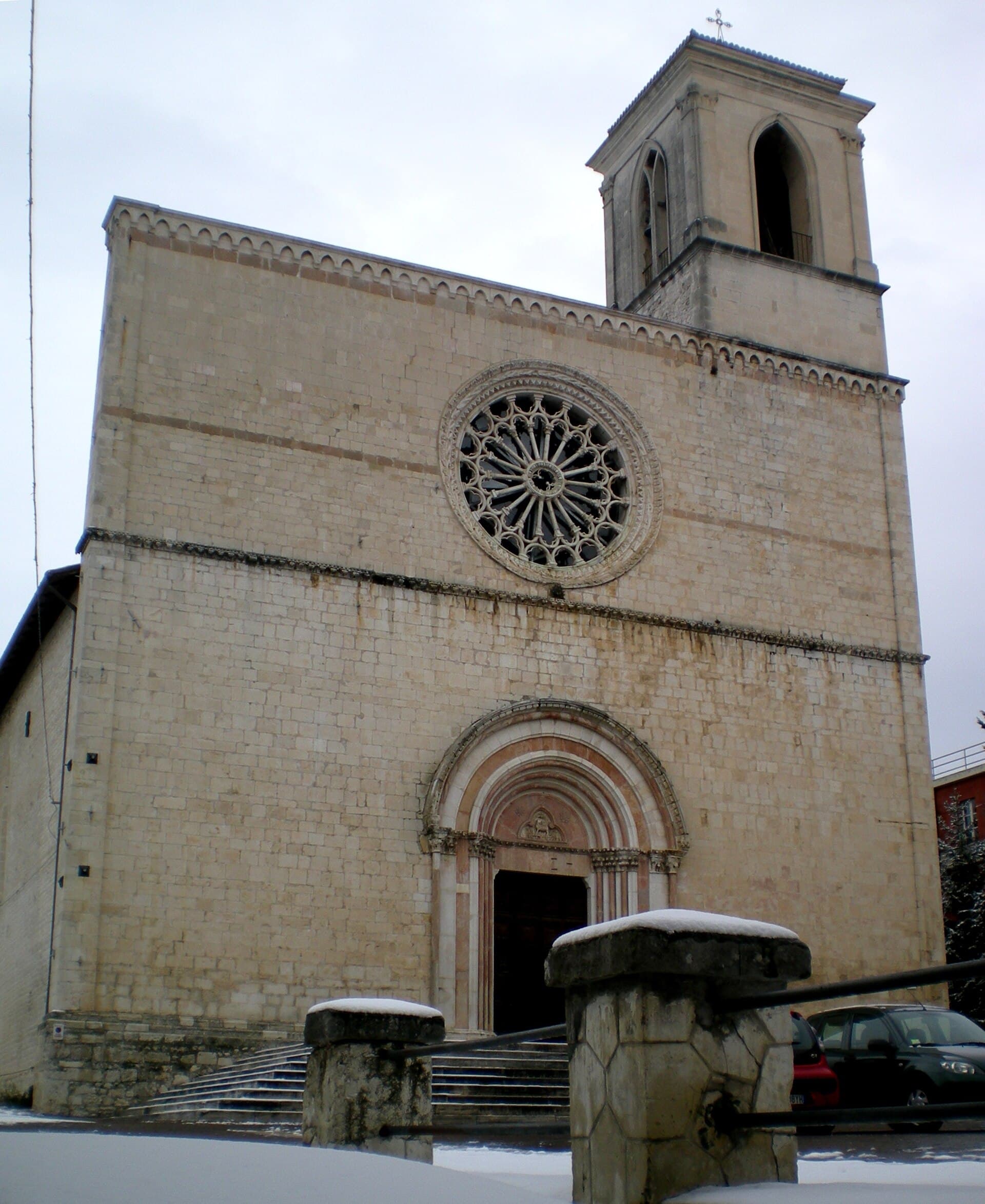
San Silvestro Church in L’Aquila: Romanesque Heritage in Abruzzo

Step inside one of L’Aquila’s oldest churches to experience medieval architecture and the city’s remarkable…

15 August 2026
Santa Maria del Suffragio: Baroque Splendor in L’Aquila
L'Aquila

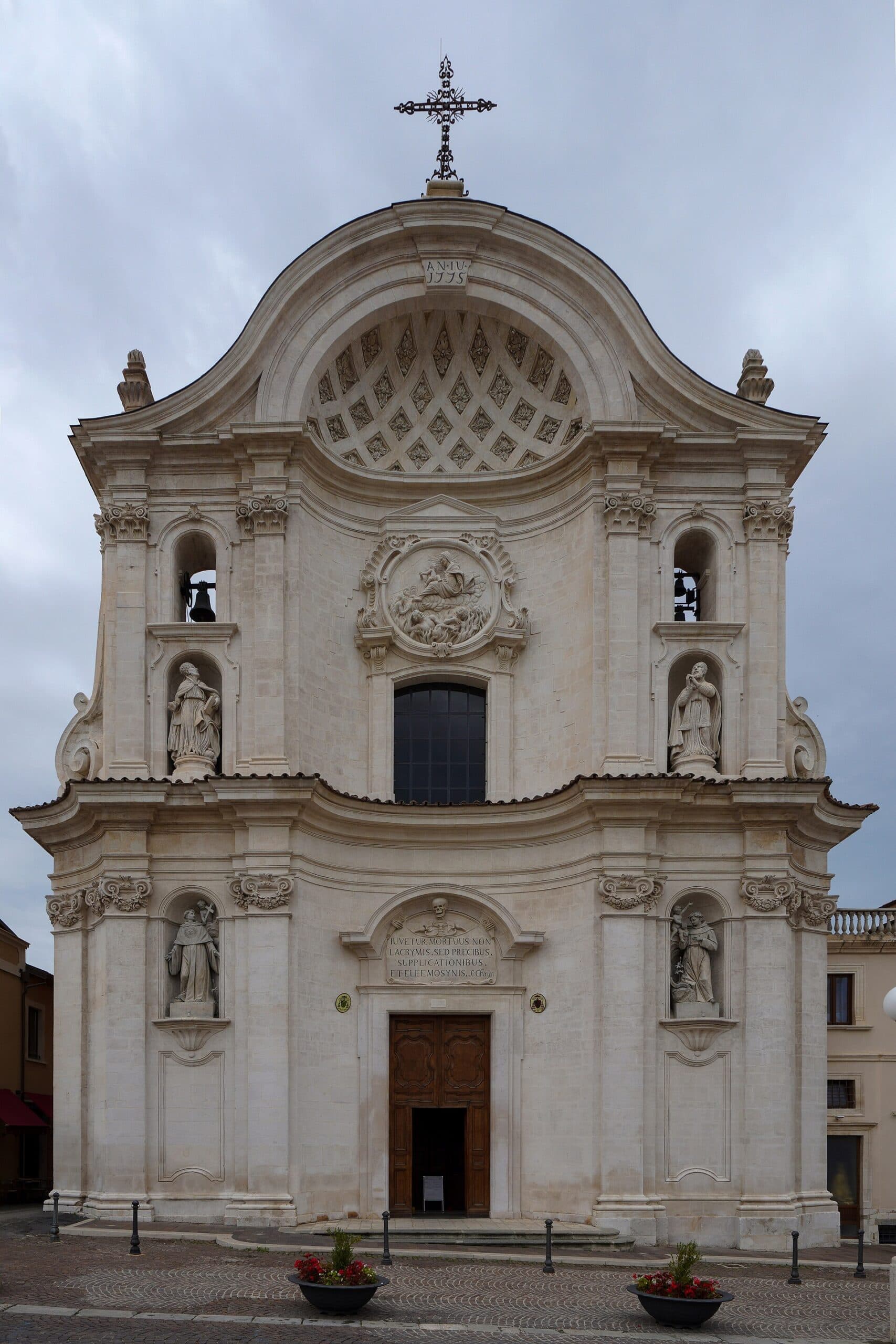
Santa Maria del Suffragio: Baroque Splendor in L’Aquila

This 17th-century church offers a serene encounter with Abruzzo’s artistic heritage amid the mountain city’s resilient…

15 August 2026