Why Visit San Silvestro
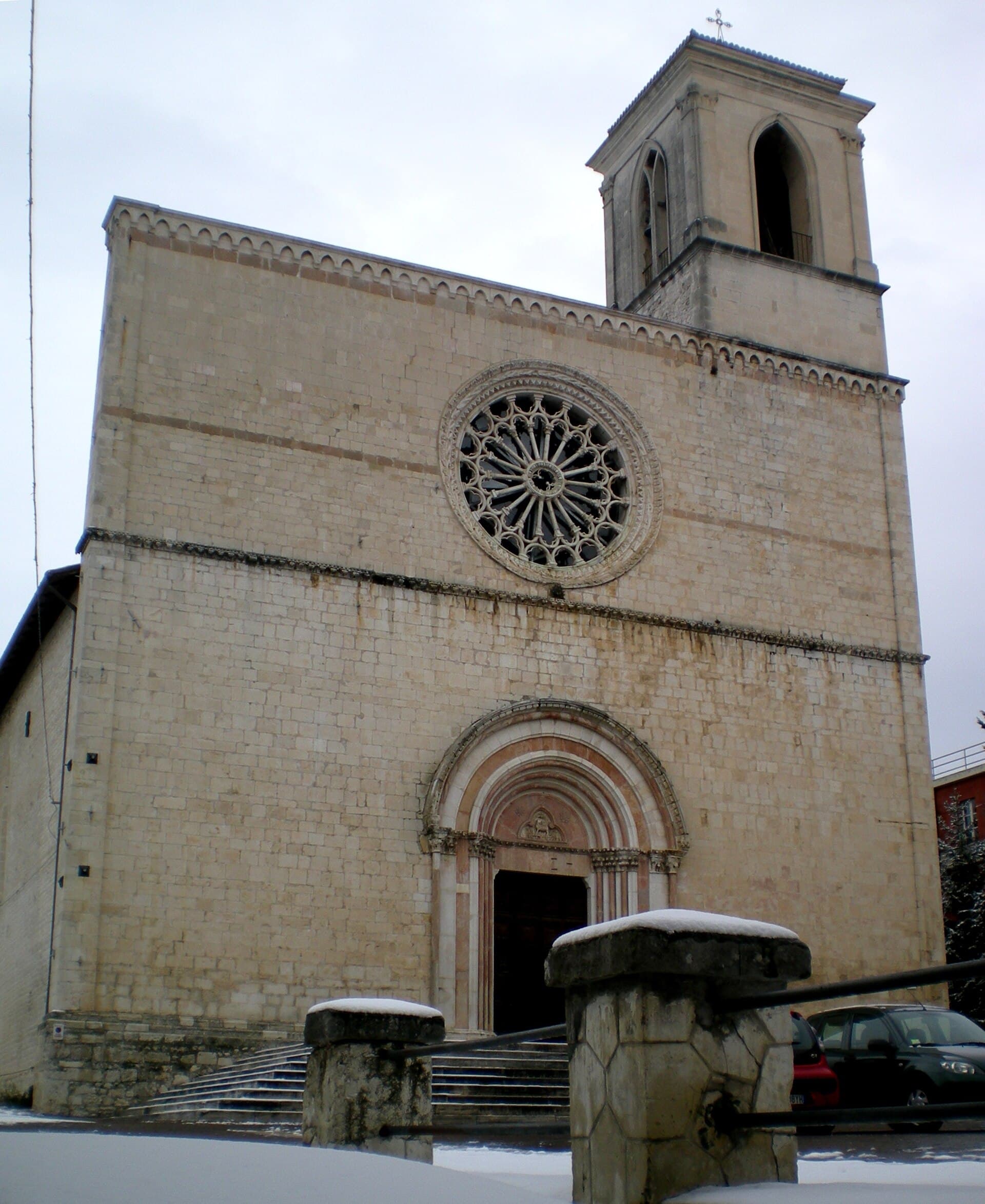
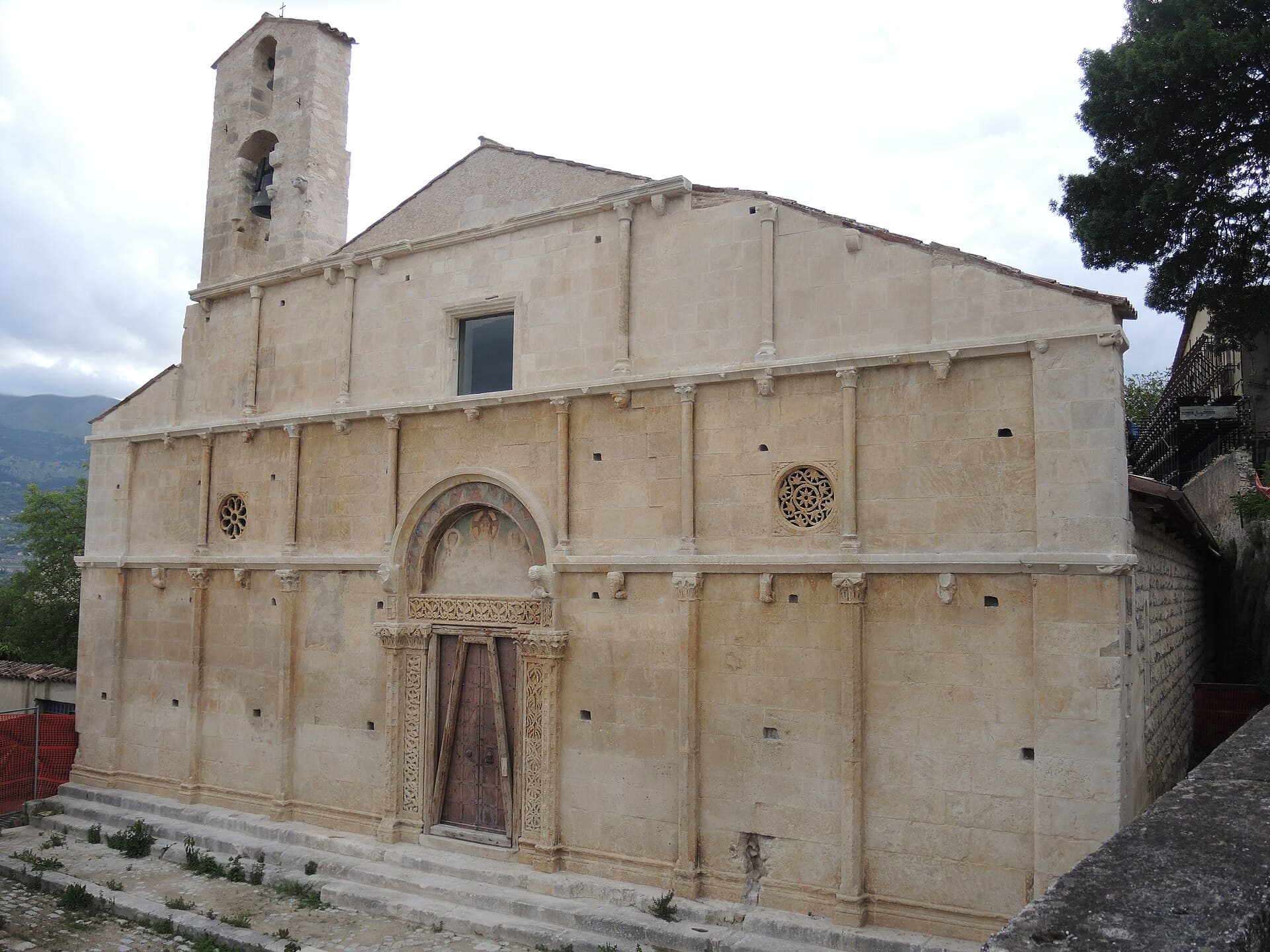
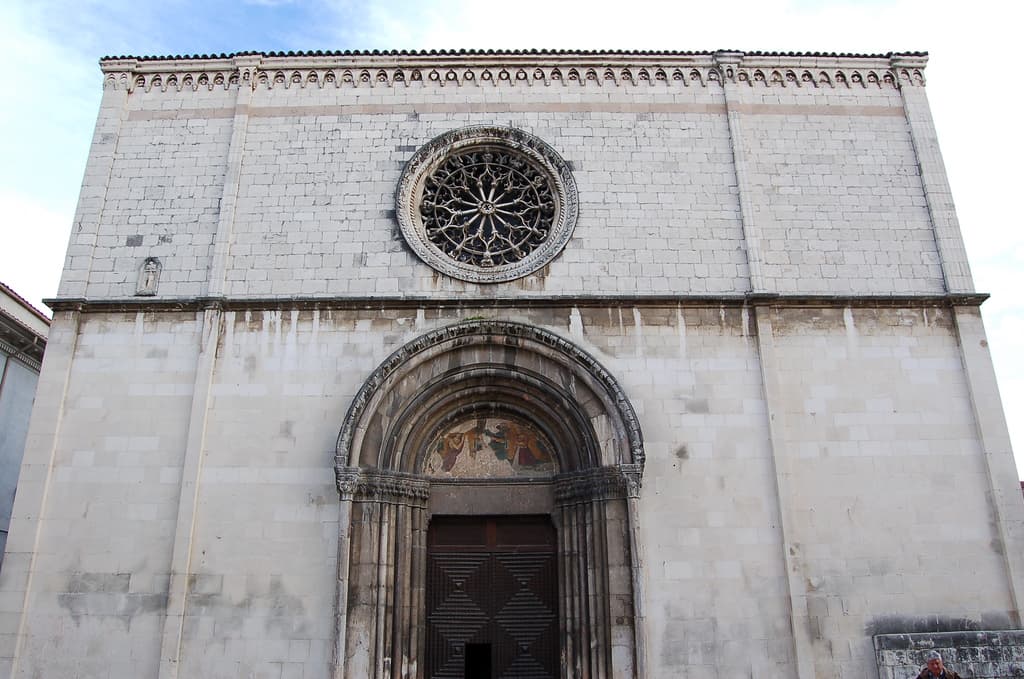
San Silvestro stands as a cornerstone of L’Aquila’s historic center, built in the 12th century in pure Romanesque style. Its simple stone facade and tall bell tower reflect the austere beauty typical of Abruzzo’s mountain churches. The building survived centuries of earthquakes and was carefully restored after the 2009 event, making it both a historic monument and a symbol of local resilience.
Architecture and Interior Highlights
Outside, notice the rounded arches and the three-nave layout that has remained largely unchanged since medieval times. Inside, visitors find a sober space with stone columns, a raised presbytery, and fragments of 14th-century frescoes. The crypt beneath the main altar preserves early Christian elements and offers a quiet contrast to the brighter upper church. Look for the original wooden ceiling beams that survived restoration.
What to See Nearby
From San Silvestro, the 15-minute walk to the Fontana delle 99 Cannelle lets you combine two of the city’s most iconic sights. The Basilica of Santa Maria di Collemaggio, with its striking pink-and-white facade, lies just beyond. Both sites sit within the pedestrian-friendly historic core, so no vehicle is needed once you arrive in town.
How to Get There
L’Aquila’s main train station connects to Rome and Pescara; from the station, local buses or a 20-minute uphill walk reach the old town. Drivers can park at the free lots on the periphery and continue on foot through the city gates. The church occupies a quiet square off Via San Silvestro, easy to locate using the central map available at the tourist office.
Best Time to Visit
Spring and early autumn offer mild temperatures ideal for walking the narrow streets. Summer brings longer daylight but also crowds and heat; winter visits are possible yet require checking for occasional snow closures. Early morning or late afternoon light best illuminates the stonework and fresco remains.
- Allow 30 to 45 minutes to explore the interior at a relaxed pace.
- Combine the visit with a stroll through the surrounding medieval lanes for the full atmosphere.