Discovering Santa Maria del Suffragio
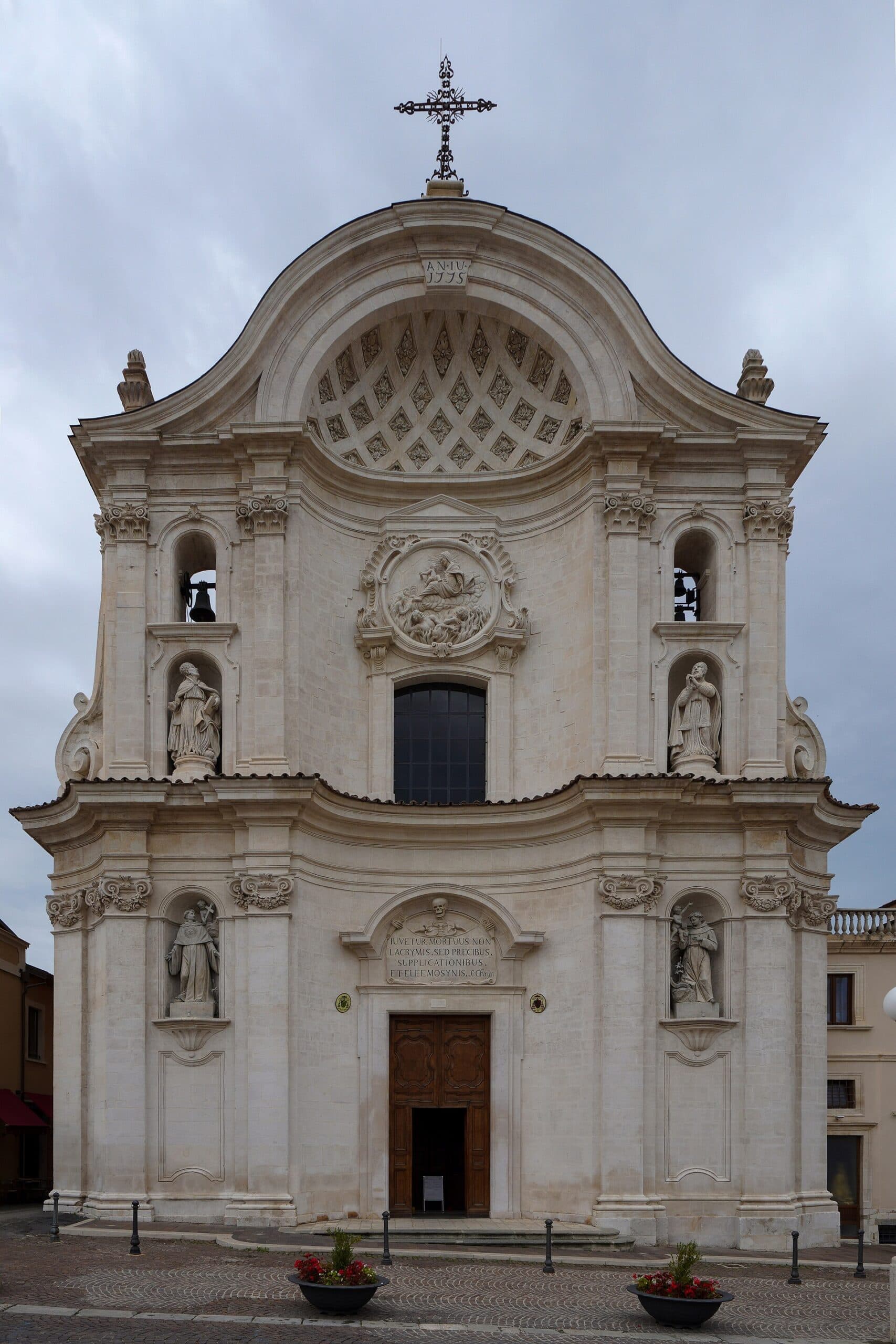
Standing in the heart of L’Aquila’s old town, Santa Maria del Suffragio draws visitors with its elegant Baroque facade and quiet interior. Built between 1635 and 1672 to honor souls in purgatory, the church reflects the spiritual concerns of its era while showcasing the refined stonework typical of Abruzzese craftsmanship.
Architectural Highlights
The single-nave layout features side chapels adorned with stucco and paintings from local artists. Look for the dramatic high altar and the sculpted details on the facade that survived multiple earthquakes, including the 2009 event that reshaped much of the city. The soft natural light filtering through the windows enhances the contemplative atmosphere inside.
What to See and Do
Spend time examining the wooden choir stalls and the series of 18th-century canvases depicting purgatory themes. The adjacent cloister offers a peaceful spot for reflection. Photographers appreciate the contrast between the pale stone exterior and the surrounding narrow streets lined with historic palazzi.
Practical Access
L’Aquila lies roughly 100 kilometers northeast of Rome. Regional trains reach the city in under two hours; from the station, a short bus ride or 20-minute walk brings you to the church. Once in the historic center, the building sits steps from Piazza del Duomo, making it easy to combine with visits to the cathedral and nearby museums.
Best Time to Visit
Spring and early autumn provide mild temperatures ideal for walking the cobblestone streets. Summer brings festivals but can be warm, while winter offers fewer crowds yet requires warm layers due to the mountain climate. Restoration work continues in phases, so the interior remains accessible most days.
Nearby Attractions
- The Basilica of Santa Maria di Collemaggio, famous for its red-and-white facade.
- Castello Cinque Torri, housing the National Museum of Abruzzo.
- The Spanish Fort, with panoramic views over the valley.
- Fontana della Rivera, a short stroll for a refreshing break.
These sites form a compact walking circuit that reveals L’Aquila’s layered history from medieval times through the Renaissance and beyond.