Discovering the Asahi Site
The Asahi Site stands as one of the most significant Jomon-period settlements in central Japan, spanning roughly 5,000 years of prehistoric life along the Gojo River in what is now Kiyosu, Aichi Prefecture. Excavations have uncovered more than 100 pit dwellings, storage pits, and ritual structures that reveal how early communities fished, farmed, and crafted pottery in this fertile plain. The site’s scale and intact layout make it a rare window into daily life before rice agriculture arrived.
What to See and Do
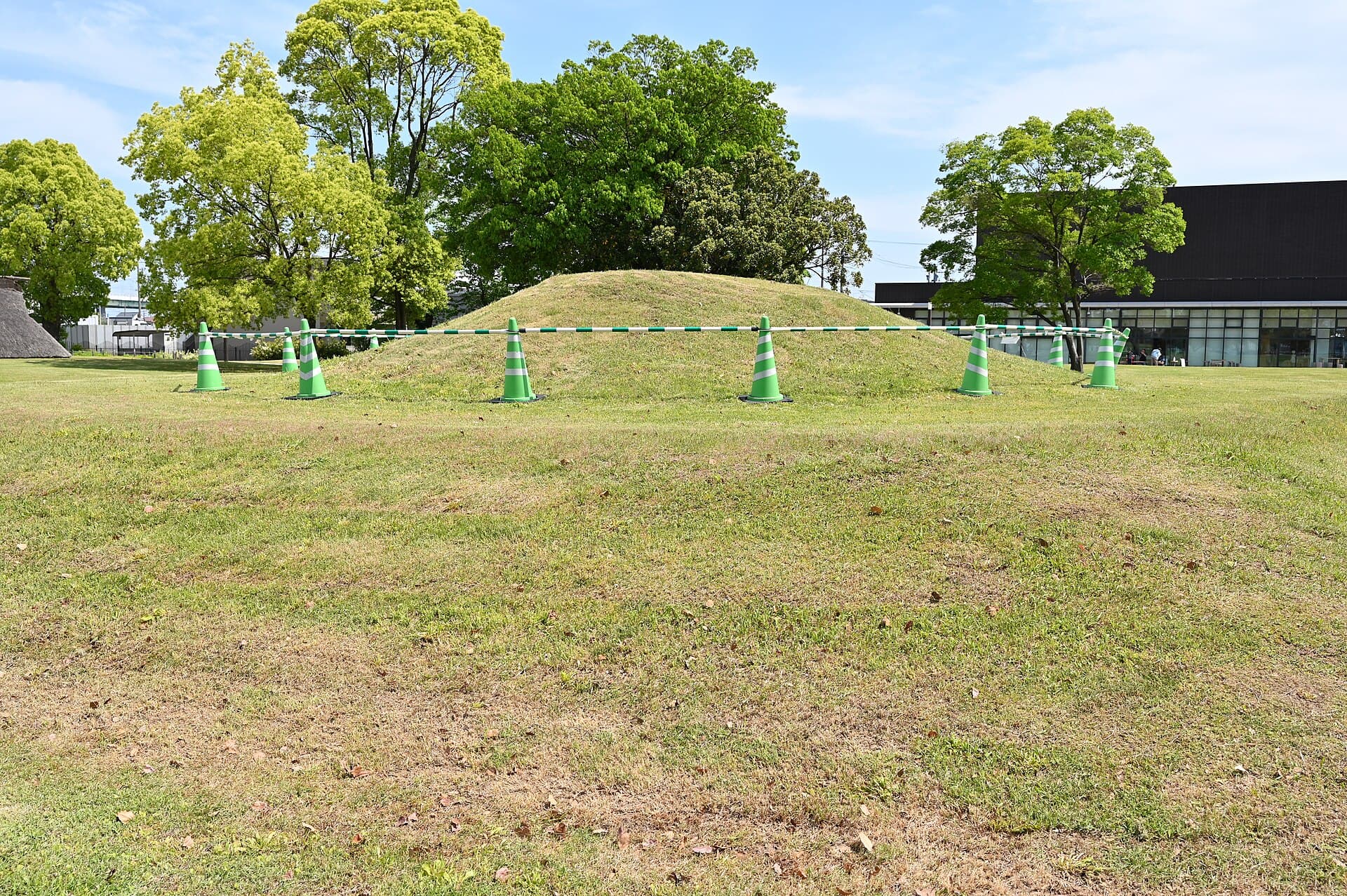
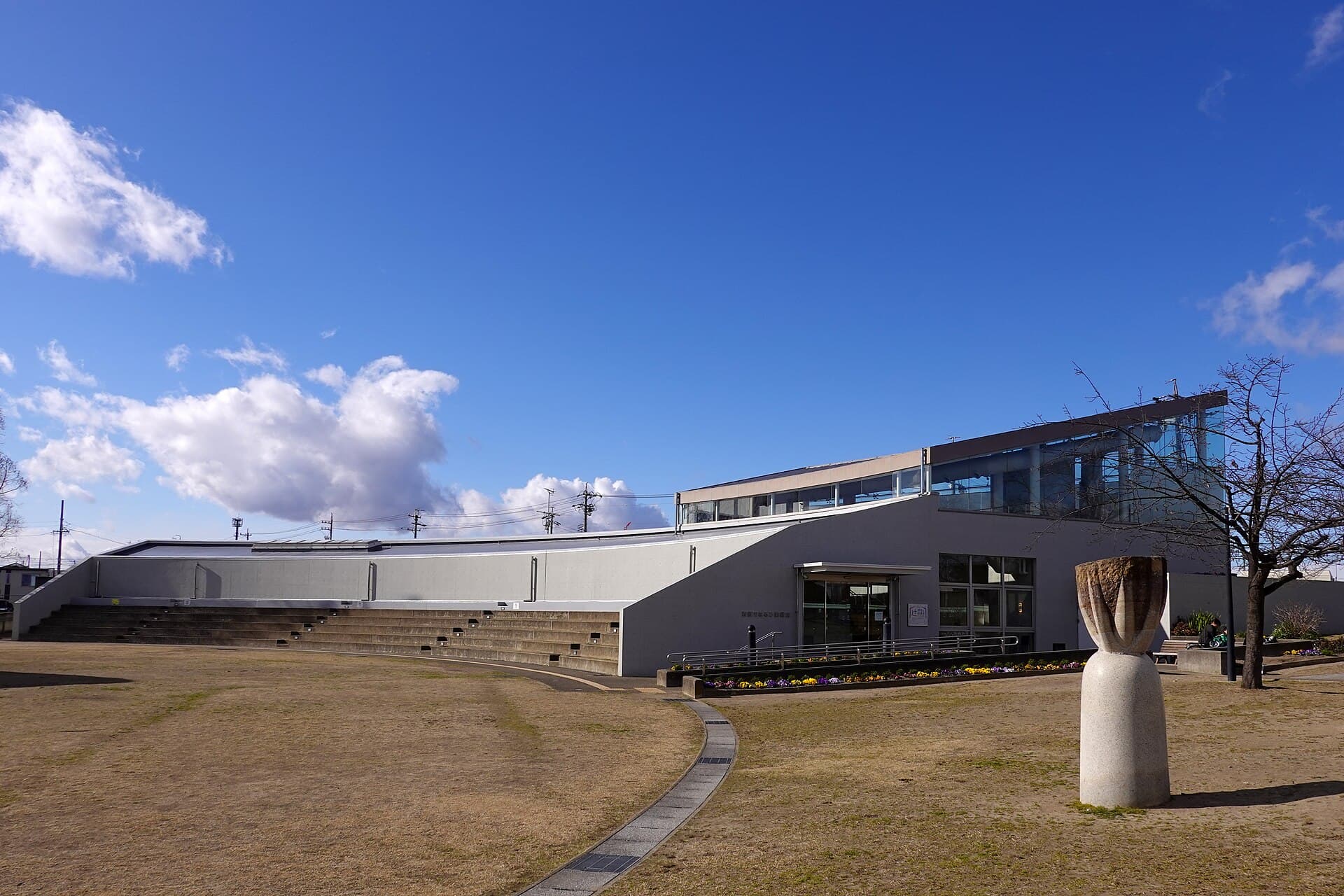
Visitors walk marked paths across the open excavation area where circular depressions mark former pit houses. Reconstructed dwellings allow close inspection of thatched roofs and interior hearths. A small on-site museum displays pottery, stone tools, and jade ornaments recovered here, arranged to show changes across the Early, Middle, and Late Jomon phases. Interpretive panels explain how the community used the river for fishing and trade. Photographers find the best views from the raised viewing platform overlooking the full extent of the ruins.
Getting There
The site lies a short taxi or bus ride from Kiyosu Station on the JR Tokaido Main Line, itself reachable in under 20 minutes from Nagoya Station. Cyclists can follow flat riverside paths from central Kiyosu. Those driving will find parking near the entrance; the surrounding roads connect easily to the Meishin Expressway.
Best Time to Visit
Spring and autumn offer mild temperatures ideal for walking the grounds without summer humidity or winter chill. Cherry blossoms line nearby paths in early April, while November brings colorful foliage to the adjacent parkland. Summer visits are possible but require sun protection and water; the open fields offer little shade.
Nearby Attractions
Combine a visit with Kiyosu Castle, a short distance away, to contrast prehistoric and samurai-era history. Nagoya’s historic districts and the Tokugawa Art Museum lie within easy reach by train, allowing a full day that moves from ancient ruins to later Japanese heritage.