Why Visit Kiyosu City Haruhi Art Museum
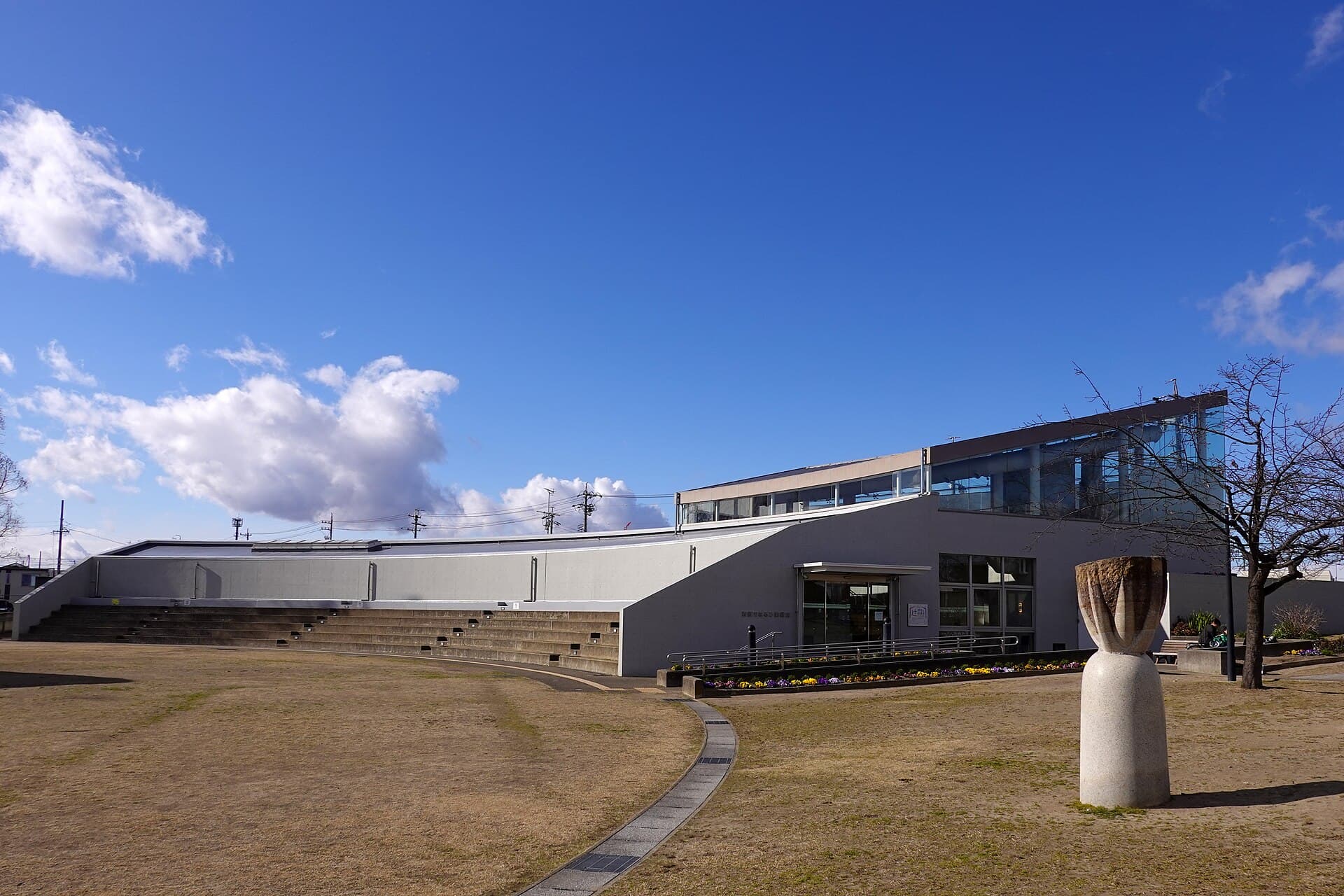
Located in the heart of Kiyosu, this city-run art museum offers a focused look at works by Aichi artists and selected pieces from broader Japanese and international collections. Its modest scale makes it ideal for visitors who want meaningful art without the crowds of larger Nagoya institutions.
Collections and Exhibitions
The permanent holdings emphasize post-war and contemporary Japanese painting, prints, and sculpture with strong ties to the local area. Rotating exhibitions often highlight themes connected to the region’s history, such as works inspired by the nearby Kiso River or the legacy of the Sengoku period. Visitors can expect a balanced mix of figurative and abstract pieces displayed in calm, well-lit galleries.
Special Features
- Intimate viewing rooms that allow close inspection of brushwork and materials
- Occasional artist talks and workshops tied to current shows
- A small library corner with exhibition catalogues and local art history references
How to Get There
The museum sits a short walk from Kiyosu Station on the JR Tokaido Main Line. Travelers from Nagoya Station reach Kiyosu in roughly 15 minutes by local train. From the station, follow the main road toward Kiyosu Castle; the museum is clearly signposted. Those driving can use the municipal parking lot adjacent to the building.
Best Time to Visit
Weekdays outside of major school holidays provide the quietest experience. Spring and autumn offer pleasant weather for combining a museum visit with a walk around Kiyosu Castle and its surrounding park. Summer humidity can make the indoor galleries especially welcome, while winter brings fewer visitors and crisp light for viewing paintings.
Nearby Attractions
Combine the museum with a visit to reconstructed Kiyosu Castle, just minutes away on foot. The castle grounds feature seasonal flower displays and offer views over the Kiso River. Further afield, the historic post town of Arimatsu and the industrial heritage sites of nearby Nagoya are easy day-trip extensions by train.