
Keep reading
Nearby & related
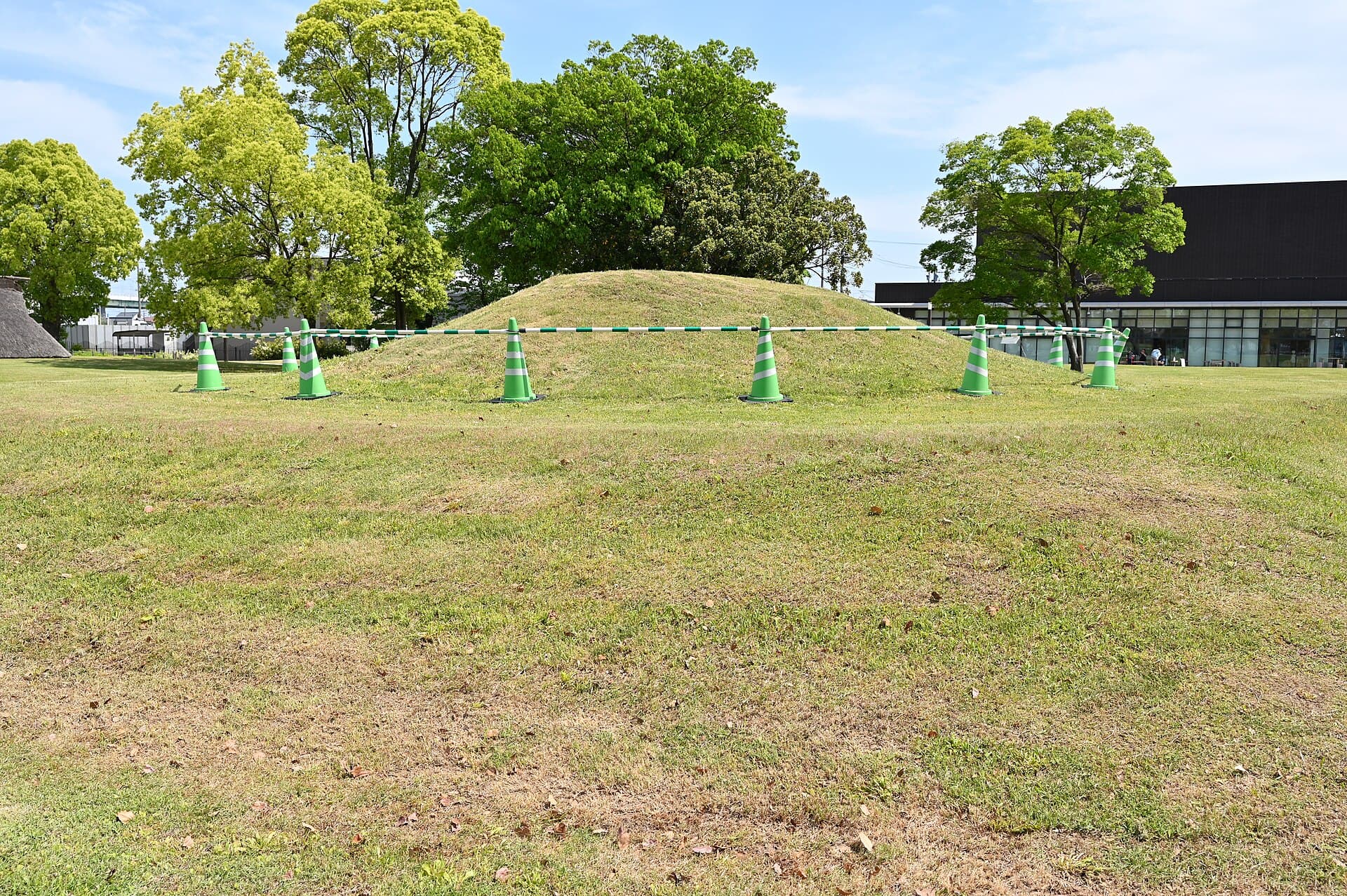
The Asahi Site: Exploring Japan’s Largest Jomon Settlement in Kiyosu
Wander the preserved pit dwellings and ancient artifacts of this expansive Jomon-era archaeological site near Nagoya.
15 August 2026
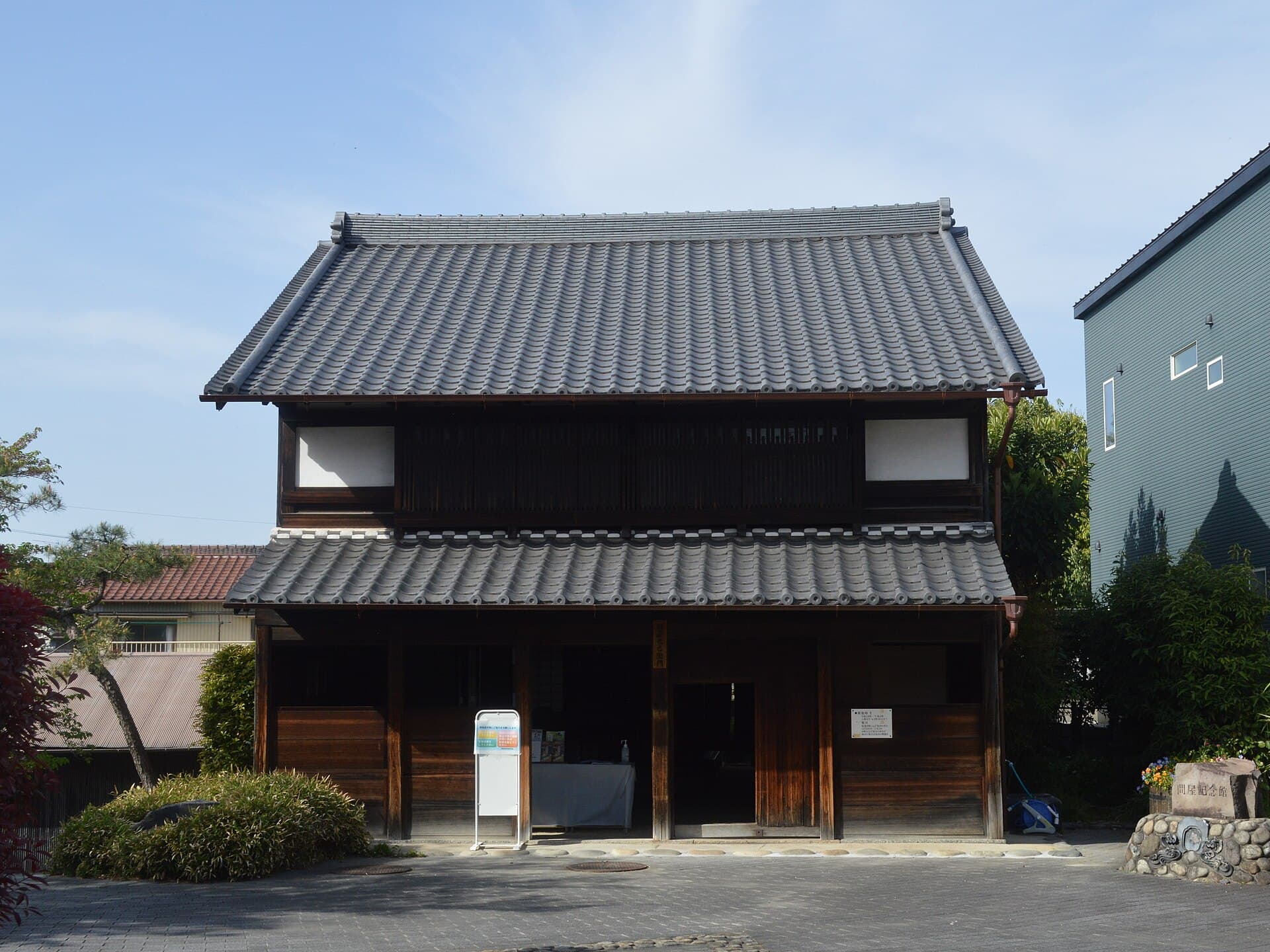
Step inside a preserved Edo-period wholesaler to understand the trading networks that shaped modern Aichi.
This modest yet revealing museum occupies a former tonya, or wholesale merchant house, in the Nishibiwajima district of Kiyosu. It documents how local traders moved rice, cotton, ceramics, and sake along the Kiso River and early rail lines, connecting rural producers to Nagoya and beyond. Visitors gain a concrete sense of how everyday commerce supported the rise of Aichi Prefecture’s industrial base.
The building itself dates from the late Edo period and retains its thick earthen walls, wooden lattice storefront, and interior storehouses. Original account ledgers, packing crates, and river-boat models illustrate the logistics of pre-industrial trade. Displays also cover the Meiji-era transition when steamships and railways replaced traditional barges, forcing many tonya families to adapt or close.
Walk through the recreated storefront and counting room where clerks once tallied goods with soroban. Large-scale maps show the former river routes that once reached the port of Atsuta.
Period photographs and family documents trace three generations of the original owners. Temporary exhibits rotate between textile samples, ceramic shipping containers, and tools used by river porters.
Visitors may handle replica packing straw and try basic ledger calligraphy under staff guidance, offering a tactile connection to historical commerce.
From Nagoya Station, take the Meitetsu Nagoya Line to Nishi-Biwajima Station (about 15 minutes). The museum lies a five-minute walk northeast of the station. Those driving can use the small adjacent parking area; coin lockers are available inside.
Weekdays in spring or autumn provide the quietest experience and comfortable temperatures for walking between the museum and nearby sites. The building is unheated in winter and can feel chilly, so dress accordingly.
Combine the visit with Kiyosu Castle, a 10-minute drive or short train ride away, to contrast merchant life with samurai history. The nearby Kiyosu City Historical Museum adds further context on the region’s role in the Sengoku period.
Keep reading
Wander the preserved pit dwellings and ancient artifacts of this expansive Jomon-era archaeological site near Nagoya.
Yes. The recreated storefront and simple hands-on activities hold interest for school-age visitors, though very young children may find the quiet exhibits less engaging.
Staff offer short Japanese-language explanations on request; no regular English tours are scheduled, but the pamphlet and labeled floor plans provide sufficient orientation.
Non-flash photography is permitted in most areas; a sign at the entrance indicates any restricted zones.
The ground floor is accessible via a ramp at the rear entrance; the upper floor requires stairs and is not accessible.
The museum focuses on merchant trade that supplied the castle town and later Nagoya; many visitors pair both sites to understand the interplay between samurai administration and commercial networks.
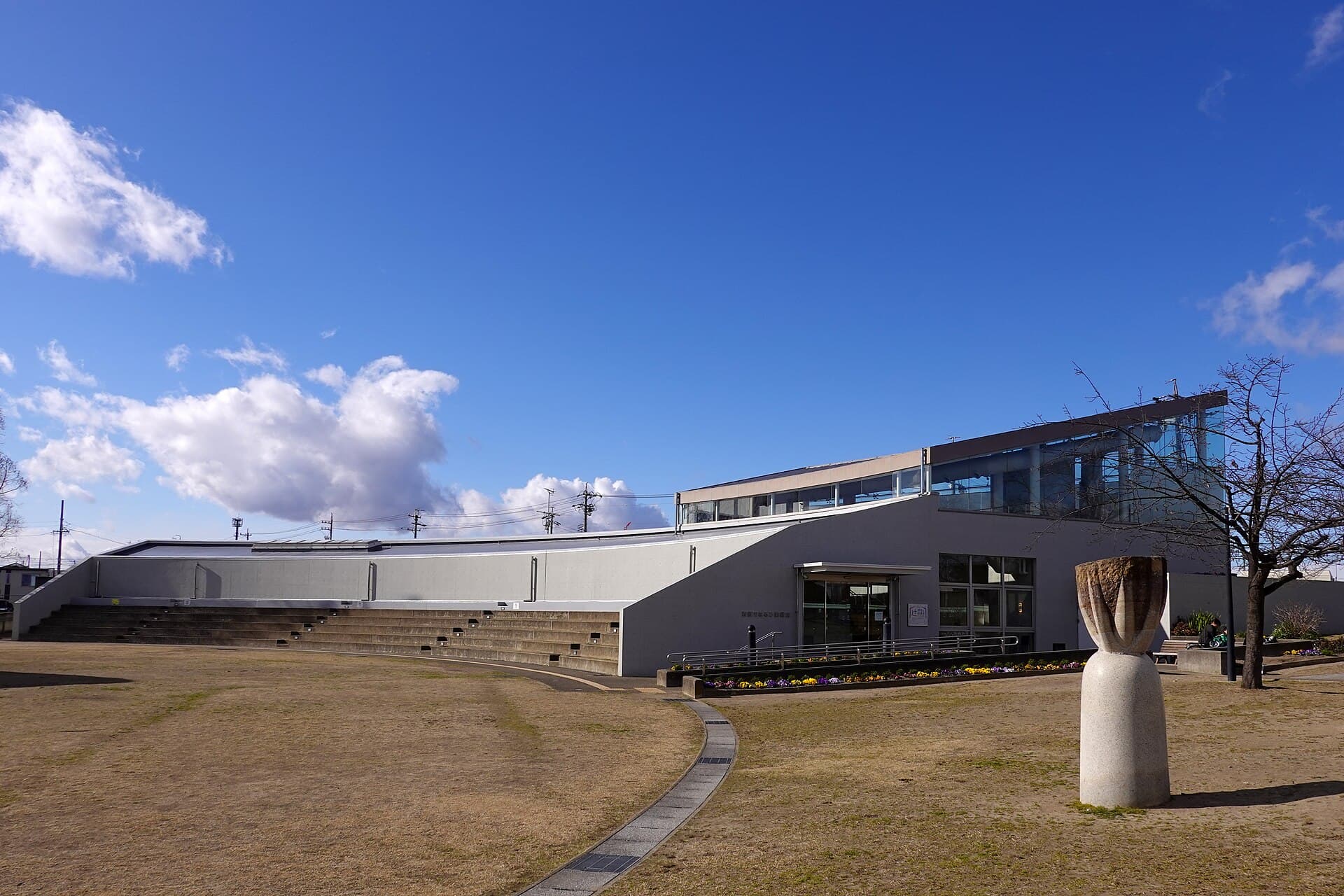
A compact municipal museum showcasing regional Japanese artists alongside changing exhibitions in historic Kiyosu.