
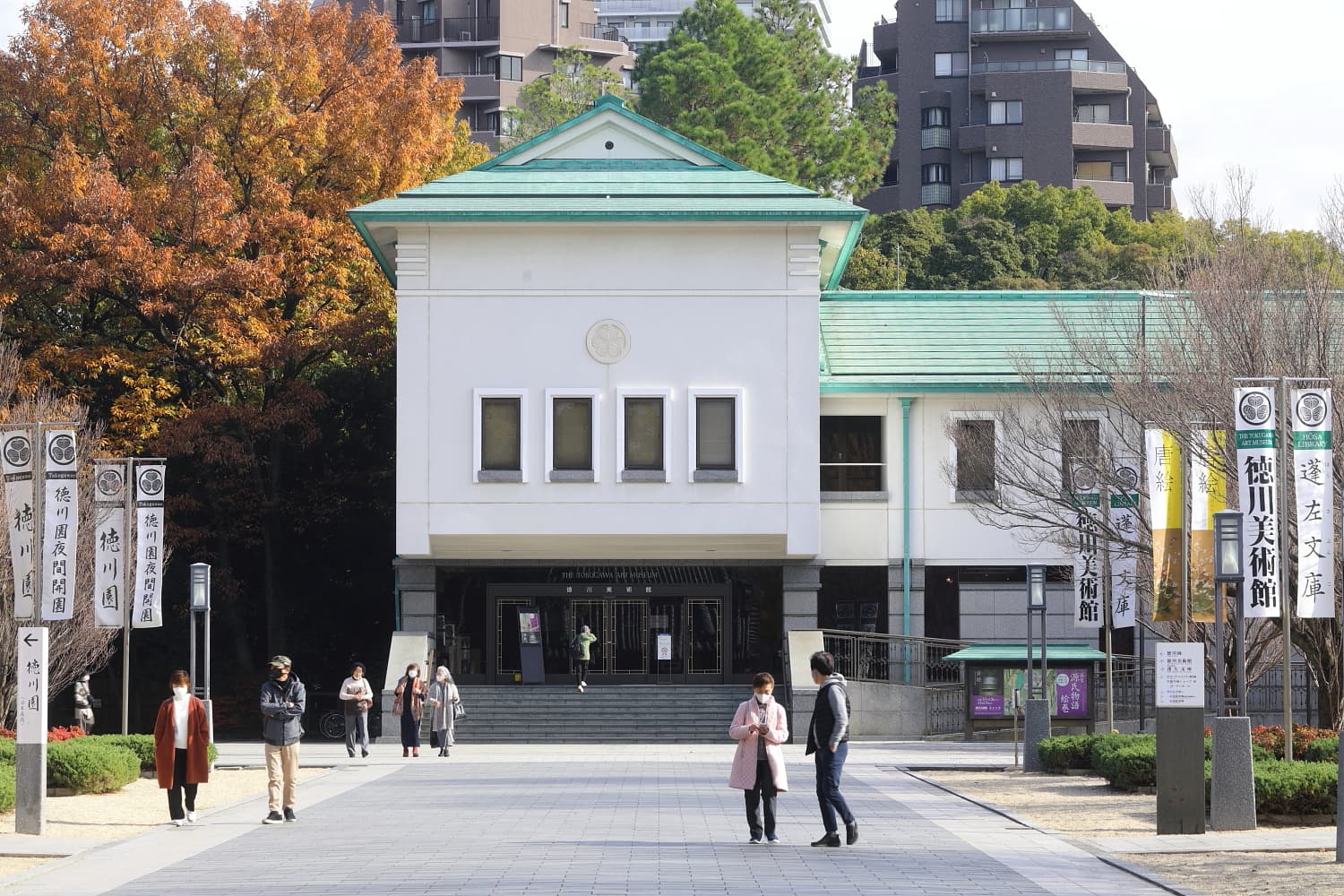
Tokugawa Art Museum: Samurai Treasures in Nagoya
Discover the Owari Tokugawa family’s remarkable collection of armor, scrolls, and tea ware in a serene Nagoya setting.
The Owari Tokugawa Legacy
The Tokugawa Art Museum preserves the cultural heritage of the Owari branch of the Tokugawa clan, one of the three principal lines of the shogunal family that ruled Japan for over two centuries. Housed in a modern building adjacent to the family’s former residence grounds, the museum displays objects that once furnished Nagoya Castle and the clan’s Edo residences. These artifacts illustrate the refined tastes and martial traditions of a daimyo household at the height of its power.
Highlights of the Collection
Visitors encounter an exceptional array of samurai armor and helmets, many decorated with gold lacquer and crests unique to the Owari line. The sword collection includes blades by celebrated smiths such as Masamune, displayed alongside their original fittings and scabbards. Equally notable are the handscrolls and folding screens depicting battles, seasonal landscapes, and Noh theater scenes, many designated Important Cultural Properties. The tea-ceremony utensils range from simple Korean bowls prized for their rustic beauty to lacquered Chinese trays used in formal gatherings. Rotating exhibitions in the lower galleries draw from the museum’s extensive archives of calligraphy, lacquerware, and textiles, ensuring repeat visits reveal new pieces.
The Gardens and Architecture
Behind the main building lies a traditional Japanese garden originally designed for the Tokugawa residence. A winding path leads past a pond stocked with carp, beneath carefully pruned pines, and across stone bridges that frame views of the museum’s cedar-clad exterior. In autumn the maples turn brilliant red, complementing the dark wooden architecture. The garden remains open year-round and offers a tranquil counterpoint to the dense urban surroundings of Tokugawachō.
Getting There
The museum lies a short distance northeast of central Nagoya. From Nagoya Station, the Higashiyama subway line reaches Motoyama Station in roughly fifteen minutes; from there a local bus or ten-minute walk reaches the entrance. Travelers arriving by car will find limited parking on site, so public transport is often more convenient. The surrounding residential streets retain a quiet, leafy character that reflects the area’s historic association with the clan.
Best Time to Visit and Nearby Attractions
Spring and autumn provide the most comfortable temperatures and the finest garden scenery. Summer humidity can make outdoor strolling less pleasant, while winter offers fewer crowds and crisp views of the architecture. Combine a visit with nearby Nagoya Castle, whose reconstructed keep and surviving gates once belonged to the same Owari Tokugawa domain. The nearby Tokugawa-en garden and the Hōnen-in temple further extend a half-day itinerary focused on the region’s feudal past.
Visitor tips
- Allocate at least two hours to view the permanent collection and another hour to stroll the garden at a relaxed pace.
- English audio guides are available at the ticket counter and provide detailed context for the most important objects.
- Combine your visit with a walk through the adjacent Tokugawa-en garden for an unbroken experience of daimyo-era aesthetics.
Frequently asked questions
What is the connection between the museum and the Tokugawa shogunate?
The collection belonged to the Owari Tokugawa family, the senior branch of the Tokugawa clan after the main shogunal line, and reflects their status as powerful daimyo based in Nagoya.
Are English explanations provided for the exhibits?
Most major objects carry bilingual labels, and an English audio guide is available for deeper context on the highlights.
Is the museum suitable for visitors with limited mobility?
The building is equipped with elevators and accessible restrooms; however, the garden paths include some gravel and steps that may require assistance.
How long does a typical visit take?
Most visitors spend two to three hours inside the galleries and an additional forty-five minutes to an hour in the garden.
Can I photograph the collection?
Photography without flash is permitted in most permanent galleries except where signs specifically prohibit it; tripods are not allowed.