Skip to content
Plan & Tour
DestinationsItinerariesTravel BlogAboutContact
0Sign inPlan a trip
Plan & TourPlan & Tour

Travel guides, destination inspiration and curated itineraries for Canada, the USA and beyond, plus a free tool to plan your own day-by-day trip.

Get travel inspiration

Explore

  • All Destinations
  • Curated Itineraries
  • Travel Blog
  • Plan a Trip

Topics

  • Hiking & Nature
  • Food & Drink
  • City Breaks
  • Budget Travel

Company

  • About Us
  • Contact
  • Privacy Policy
  • Terms of Service

© 2026 Plan & Tour. Built for travellers.

Discover the world, one trip at a time.

Tarra River: Colombia’s Wild Andean Waterway in Norte de Santander
  1. Home
  2. Destinations
  3. Norte de Santander Department
  4. Tarra River: Colombia’s Wild Andean Waterway in Norte de Santander
River

Tarra River: Colombia’s Wild Andean Waterway in Norte de Santander

Hike, raft, and explore the biodiverse banks of the Tarra River, a remote natural highlight near the Venezuelan border.

Norte de Santander DepartmentUpdated 27 November 2026

Why the Tarra River Draws Adventurous Travelers

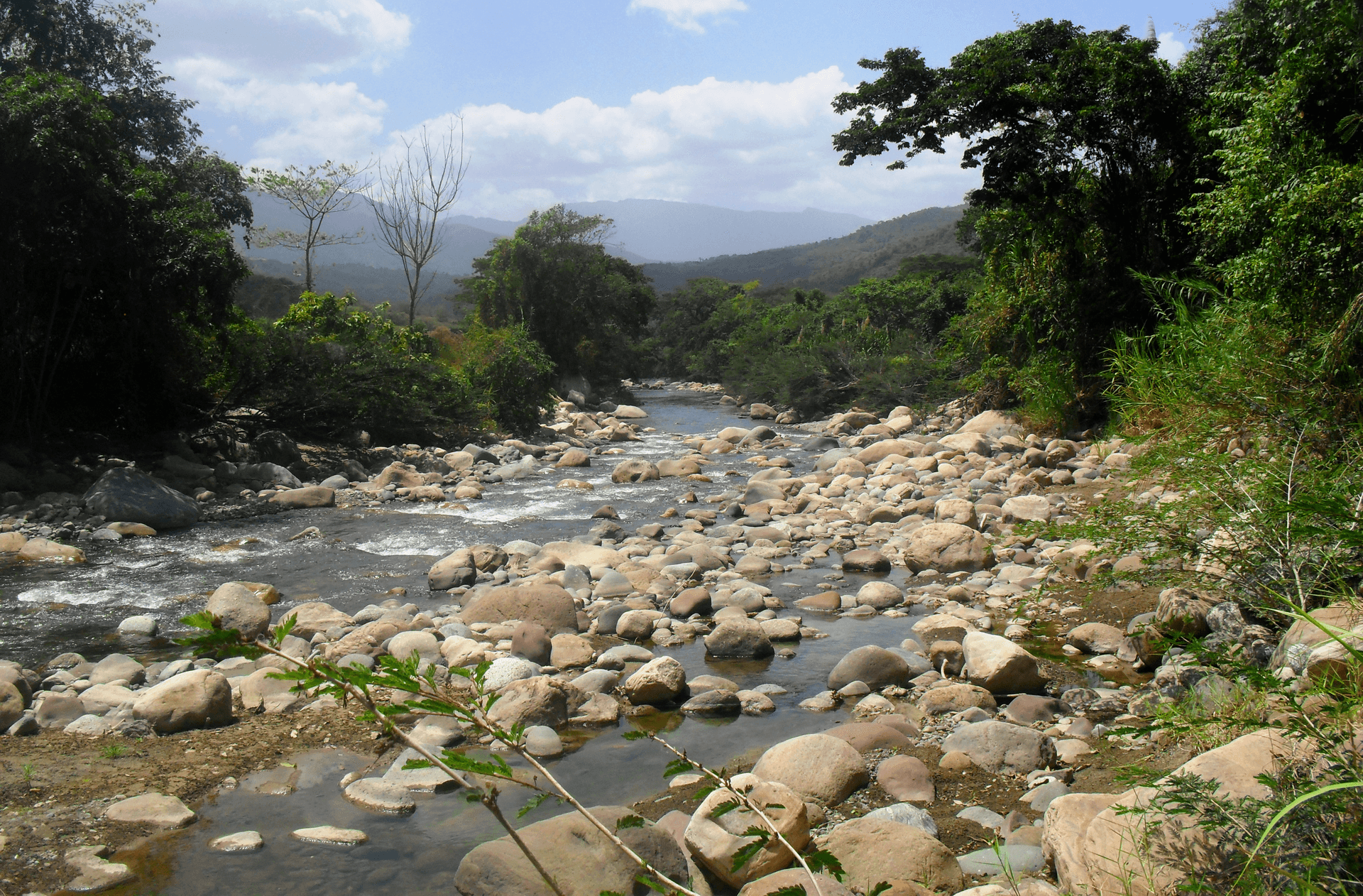
Flowing through the rugged foothills of the Andes in Norte de Santander Department, the Tarra River carves through dense forest and rocky terrain, creating a landscape rich in biodiversity. This waterway offers visitors a chance to experience Colombia’s less-traveled northern frontier, where clear waters support local ecosystems and provide scenic backdrops for outdoor activities. The river’s isolation preserves its appeal for those seeking genuine nature immersion away from crowded tourist circuits.

Activities Along the Tarra River

Whitewater rafting and kayaking rank among the top draws, with sections offering varying degrees of challenge through narrow canyons and gentler pools. Hiking trails parallel the riverbanks, leading to viewpoints of cascading tributaries and opportunities for birdwatching amid tropical species. Fishing is popular in calmer stretches, while guided walks reveal local flora and the cultural traditions of nearby communities. Photographers find endless inspiration in the contrast between emerald vegetation and the river’s reflective surface.

Best Time to Visit

The dry season from December through March generally provides the most reliable conditions for river access and trail hiking, with lower water levels reducing flood risks. Shoulder months like November and April can still offer pleasant weather, though visitors should monitor local rainfall patterns that influence river flow.

How to Reach the Tarra River

Most travelers begin in Cúcuta, the departmental capital, then continue by road toward the municipality of Tarra or nearby settlements. Public buses or private transfers cover the journey, which passes through mountainous countryside. From the nearest towns, local guides or taxis can arrange transport to river access points. Four-wheel-drive vehicles prove useful on secondary roads during wet periods.

Nearby Attractions

Combine a river visit with exploration of the broader Catatumbo region, known for its lightning phenomenon, or head toward the Sierra de Perijá mountains for additional hiking. Historical sites in Ocaña provide cultural context, while border-area markets offer regional crafts and produce.

Practical Considerations for Visitors

Pack sturdy footwear, insect repellent, and layers for temperature shifts between day and evening. Hiring local guides enhances safety and provides insights into the area’s ecology and history. Respect private lands along the river and follow leave-no-trace principles to help maintain the pristine environment.

Visitor tips

  • Arrange river activities with licensed local operators familiar with seasonal water conditions and safety protocols.
  • Carry sufficient cash, as ATMs are scarce in smaller towns near the river.
  • Learn basic Spanish phrases to communicate with guides and residents, improving interactions in this rural area.

Frequently asked questions

Is the Tarra River suitable for beginners on rafting trips?+

Sections exist for different skill levels, but beginners should choose guided tours on milder stretches and confirm conditions with operators beforehand.

What wildlife might I see along the Tarra River?+

Expect birds such as toucans and hummingbirds, plus possible sightings of monkeys, reptiles, and diverse insects in the surrounding forest.

Are there accommodations right on the river?+

Basic lodging and eco-lodges are available in nearby towns, with some riverfront options offering simple cabins and camping facilities.

How safe is travel to the Tarra River area?+

The region requires standard precautions for rural Colombia; check current travel advisories and travel with reputable guides or groups.

Can I combine a Tarra River visit with other Norte de Santander sites?+

Yes, many travelers pair it with day trips to Ocau00f1a's historic center or viewpoints overlooking the Catatumbo basin.

Share
Google Maps Apple Maps Directions

Image: Rafael ayala castillo · CC BY-SA 4.0 · via Wikimedia Commons

Keep reading

Nearby & related

All stories
Peralonso River: Colombia’s Historic Waterway in Norte de Santander
Norte de Santander Department

Peralonso River: Colombia’s Historic Waterway in Norte de Santander

Follow the Peralonso River through dramatic Andean foothills where civil-war history meets quiet natural beauty.

27 November 2026
C
Norte de Santander Department

Catatumbo Barí National Natural Park: Colombia’s Eternal Lightning Storm

Venture into this remote Colombian rainforest where nightly lightning illuminates pristine wilderness and Barí…

27 November 2026
Los Estoraques Unique Natural Area: Colombia’s Striking Eroded Rock Labyrinth
Norte de Santander Department

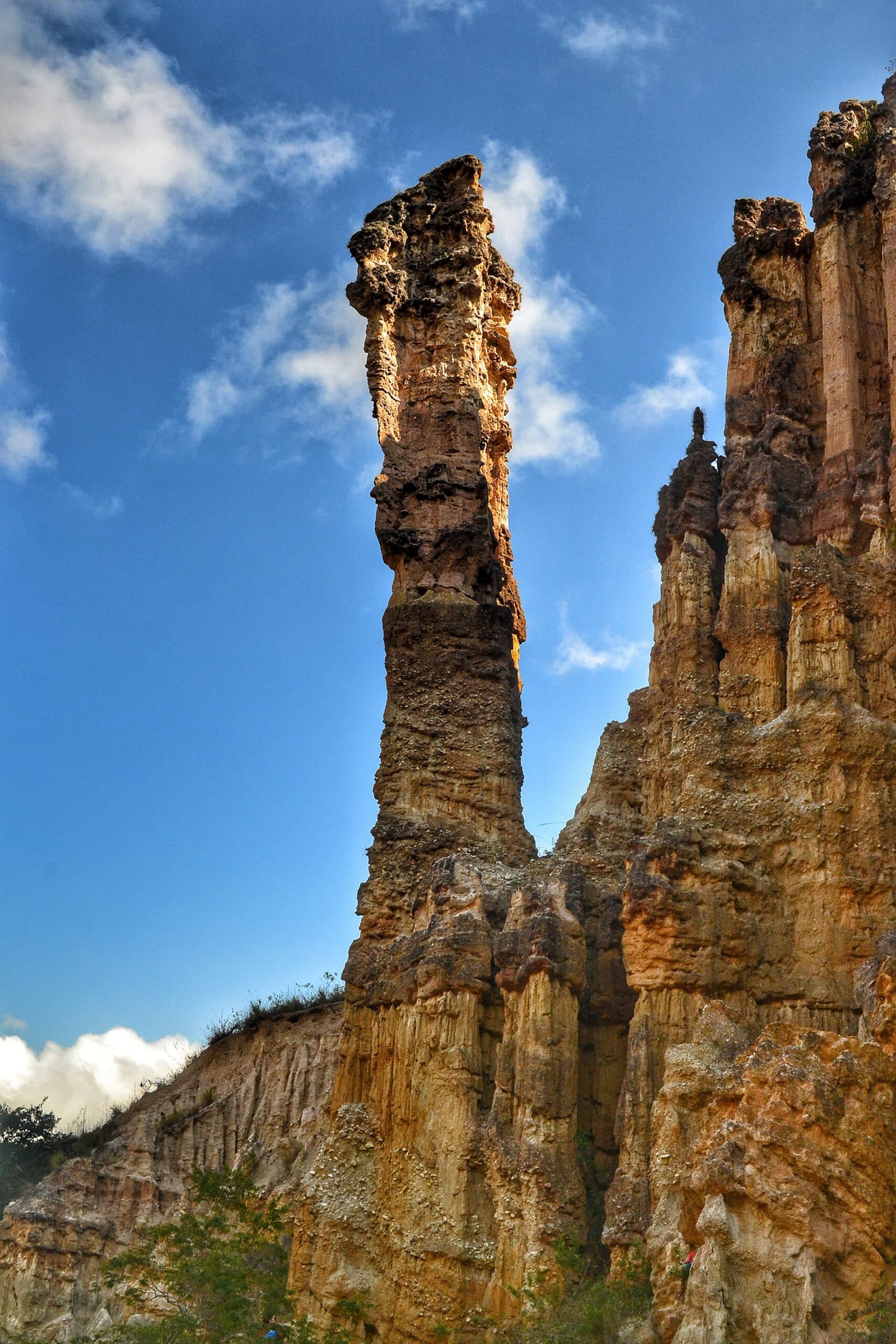
Los Estoraques Unique Natural Area: Colombia’s Striking Eroded Rock Labyrinth

Hike through dramatic sandstone pillars and canyons in this little-visited protected area near Ocaña.

27 November 2026