Skip to content
Plan & Tour
DestinationsItinerariesTravel BlogAboutContact
0Sign inPlan a trip
Plan & TourPlan & Tour

Travel guides, destination inspiration and curated itineraries for Canada, the USA and beyond, plus a free tool to plan your own day-by-day trip.

Get travel inspiration

Explore

  • All Destinations
  • Curated Itineraries
  • Travel Blog
  • Plan a Trip

Topics

  • Hiking & Nature
  • Food & Drink
  • City Breaks
  • Budget Travel

Company

  • About Us
  • Contact
  • Privacy Policy
  • Terms of Service

© 2026 Plan & Tour. Built for travellers.

Discover the world, one trip at a time.

Los Estoraques Unique Natural Area: Colombia’s Striking Eroded Rock Labyrinth
  1. Home
  2. Destinations
  3. Norte de Santander Department
  4. Los Estoraques Unique Natural Area: Colombia’s Striking Eroded Rock Labyrinth
Protected area

Los Estoraques Unique Natural Area: Colombia’s Striking Eroded Rock Labyrinth

Hike through dramatic sandstone pillars and canyons in this little-visited protected area near Ocaña.

Norte de Santander DepartmentUpdated 27 November 2026

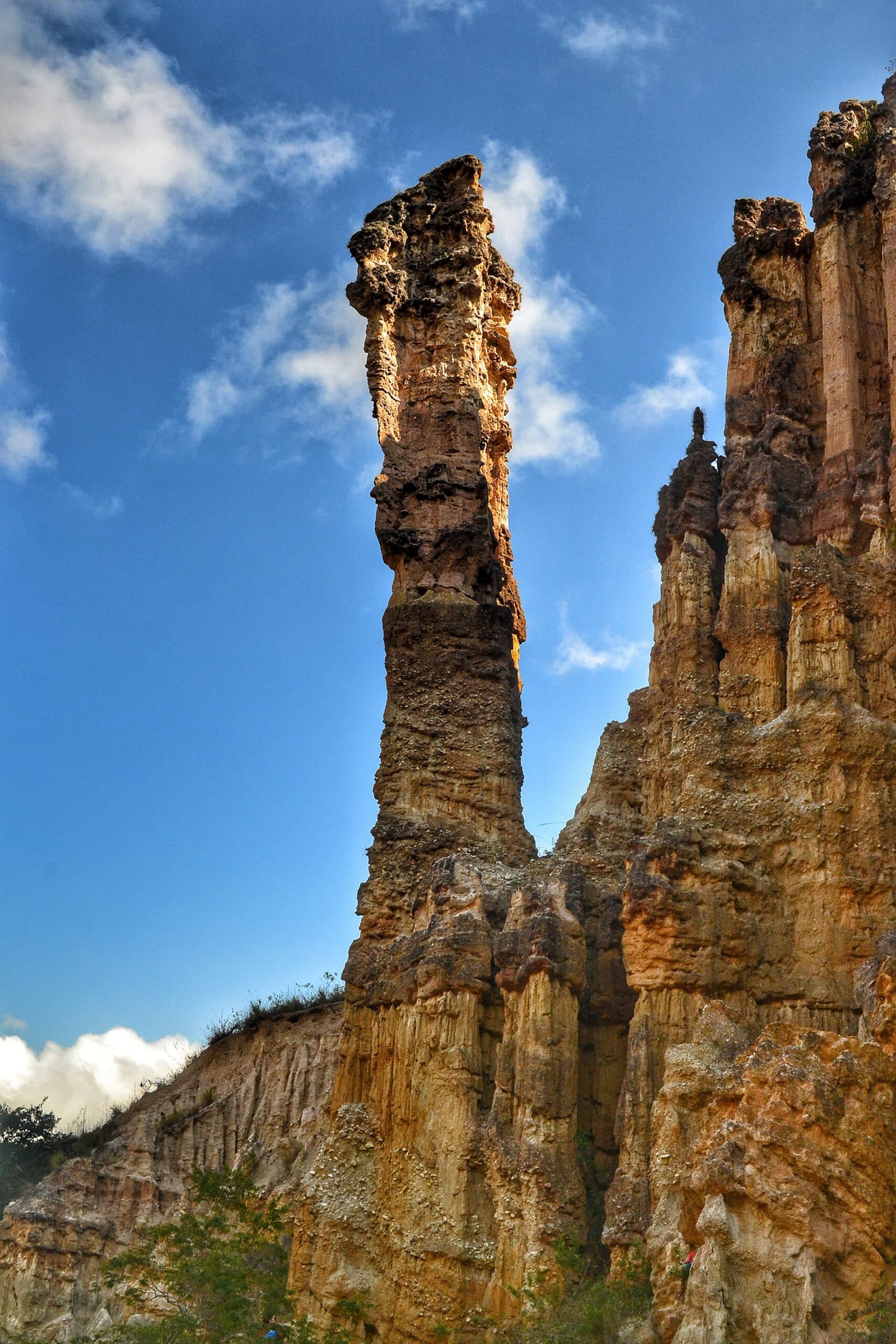
Los Estoraques Unique Natural Area protects a striking landscape of tall, slender sandstone pillars, deep ravines, and sculpted cliffs formed over millions of years by wind and water erosion. Located in Norte de Santander, the reserve offers visitors a rare chance to walk among geological formations that resemble a miniature badlands or forest of stone towers.

Why Visit Los Estoraques

The park’s value lies in its concentrated display of erosional features rarely seen elsewhere in Colombia. Narrow trails wind between pillars that rise up to 20 meters high, past natural arches and dry stream beds that fill dramatically during rains. The arid microclimate supports hardy vegetation including cacti, agaves, and scattered dry-forest trees that attract birds such as the chestnut-bellied hummingbird and various raptors.

Things to See and Do

Short, well-marked loops let visitors explore the main formations on foot. Longer hikes reach viewpoints overlooking the surrounding valleys and the distant Serranía de los Yariguíes. Photographers favor early morning and late afternoon light that accentuates the textures of the rock. Birdwatching and quiet contemplation are the main activities; the terrain is too rugged for cycling or horseback riding inside the core zone.

How to Get There

Most travelers reach the area via the colonial town of Ocaña. From Bucaramanga, the journey takes roughly four hours by car along paved roads that climb through coffee country before descending into drier terrain. From Cúcuta, the route passes through agricultural plains and takes about three hours. Public buses run regularly to Ocaña; from there, shared taxis or moto-taxis cover the final 15 kilometers to the reserve entrance.

Best Time to Visit

The driest months, December through March, provide the most comfortable hiking conditions with minimal risk of flash floods in the canyons. April and May bring occasional showers that turn the surrounding vegetation briefly green. Weekdays are quieter than weekends, when local families sometimes visit.

Nearby Attractions

Combine a visit with time in Ocaña’s historic center, known for its preserved 17th-century architecture and lively plaza. Further afield, the highland páramo of Santurbán and the colonial streets of Pamplona offer contrasting landscapes within a day’s drive.

Visitor tips

  • Wear sturdy shoes with good grip; the trails cross loose gravel and steep, dry slopes.
  • Carry at least two liters of water per person and sun protection, as shade is limited.
  • Hire a local guide at the entrance for the best routes and to learn the geological stories behind the formations.

Frequently asked questions

How difficult are the trails in Los Estoraques?+

Most paths are moderate, with some short steep sections and uneven ground. They suit reasonably fit walkers but are not suitable for wheelchairs or very young children.

Is it possible to visit Los Estoraques without a guide?+

Self-guided visits are allowed on the main loops, but a local guide greatly enriches the experience with explanations of the geology and helps avoid getting disoriented on lesser-used paths.

Are there facilities inside the reserve?+

Only basic restrooms and a small information kiosk exist near the entrance. Bring all food, water, and supplies from Ocau00f1a.

Can I camp at Los Estoraques?+

Camping is not permitted inside the protected area to preserve the fragile terrain and wildlife.

What wildlife might I see?+

Expect to spot lizards, various raptors, and hummingbirds. Larger mammals are rarely seen due to the arid habitat and daytime heat.

Share
Google Maps Apple Maps Directions

Visitor info

Official website

Contact info via Wikidata

Image: Julianruizp · CC BY-SA 4.0 · via Wikimedia Commons

Keep reading

Nearby & related

All stories
Peralonso River: Colombia’s Historic Waterway in Norte de Santander
Norte de Santander Department

Peralonso River: Colombia’s Historic Waterway in Norte de Santander

Follow the Peralonso River through dramatic Andean foothills where civil-war history meets quiet natural beauty.

27 November 2026
Tarra River: Colombia’s Wild Andean Waterway in Norte de Santander
Norte de Santander Department

Tarra River: Colombia’s Wild Andean Waterway in Norte de Santander

Hike, raft, and explore the biodiverse banks of the Tarra River, a remote natural highlight near the Venezuelan border.

27 November 2026
C
Norte de Santander Department

Catatumbo Barí National Natural Park: Colombia’s Eternal Lightning Storm

Venture into this remote Colombian rainforest where nightly lightning illuminates pristine wilderness and Barí…

27 November 2026