Why This Park Stands Out
Catatumbo Barí National Natural Park protects a vast expanse of tropical rainforest in Colombia’s Norte de Santander department, famous worldwide for the Catatumbo lightning phenomenon. Almost every night, thousands of lightning strikes illuminate the sky above the Catatumbo River delta without thunder audible from the ground. This natural spectacle occurs over one of the most biodiverse corners of the Andes-Amazon transition zone.
Wildlife and Landscapes
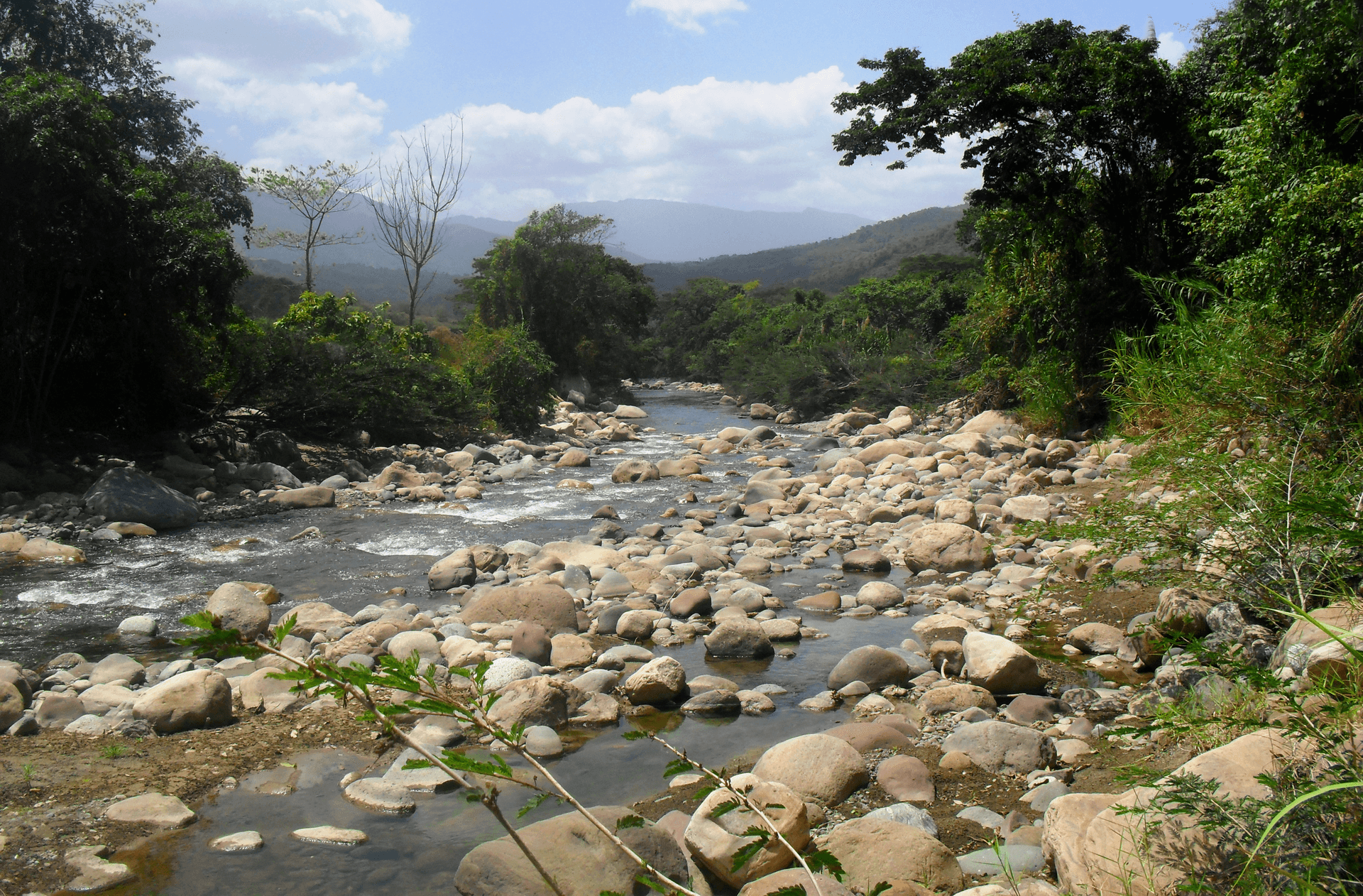
The park shelters jaguars, ocelots, tapirs, and more than 400 bird species, including the harpy eagle and various herons that feed along the riverbanks. Dense stands of cativo and ceiba trees rise above swamp forests and seasonal lagoons. Visitors on multi-day river journeys often spot pink river dolphins and howler monkeys at dawn.
Experiences for Visitors
Guided boat trips at dusk position travelers to witness the lightning from safe distances on the water. Day hikes lead to waterfalls and viewpoints inside the park, while cultural visits to Barí communities offer insight into traditional fishing and forest management. Nighttime observation platforms allow extended viewing of the lightning without disturbing the ecosystem.
Getting There
Most travelers fly into Cúcuta, then drive several hours to river ports near La Gabarra or Puerto Barco. From there, motorized canoes carry visitors into the park under the guidance of registered local operators. Independent travel is restricted; all entries require advance coordination with authorized tour providers and community associations.
Best Time to Visit
The lightning phenomenon occurs year-round, but visibility improves during drier months from December to March when river levels allow easier navigation. The wettest period, April to June, brings higher water but can limit access to certain trails and campsites.
Nearby Destinations
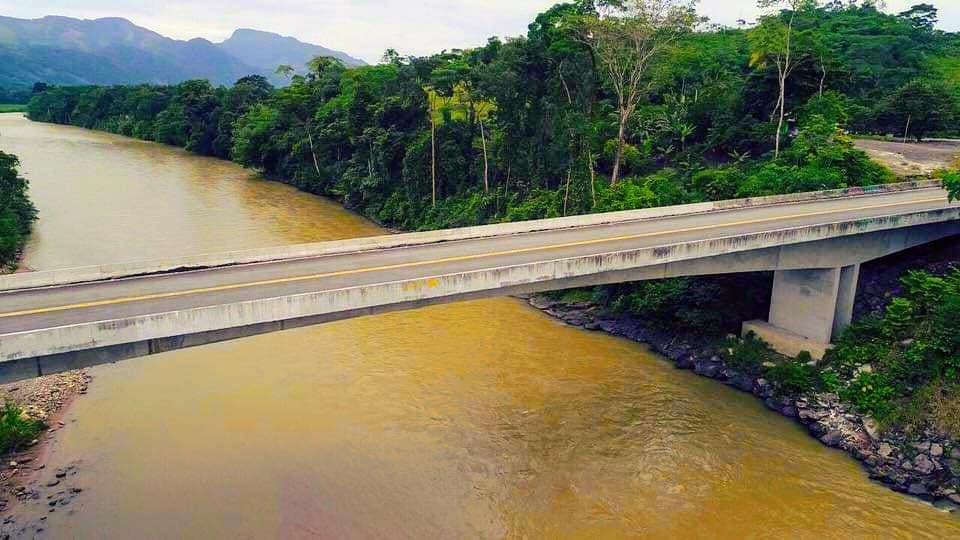
After exploring the park, many visitors continue to the historic center of Ocaña or the thermal springs near Chinácota. The park also sits near the Catatumbo River headwaters that flow toward Lake Maracaibo, offering a broader regional perspective on this binational watershed.