Why the Peralonso River Belongs on Your Colombia Itinerary
The Peralonso River cuts through the foothills of Norte de Santander, offering visitors a rare combination of living history and accessible nature. Its clear waters once marked the site of the 1899 Battle of Peralonso, a pivotal clash in Colombia’s Thousand Days’ War. Today the same valley rewards travelers with bird-rich riparian forest, gravel bars perfect for picnics, and low-key rural communities that still speak of the river’s strategic past.
What to See and Do
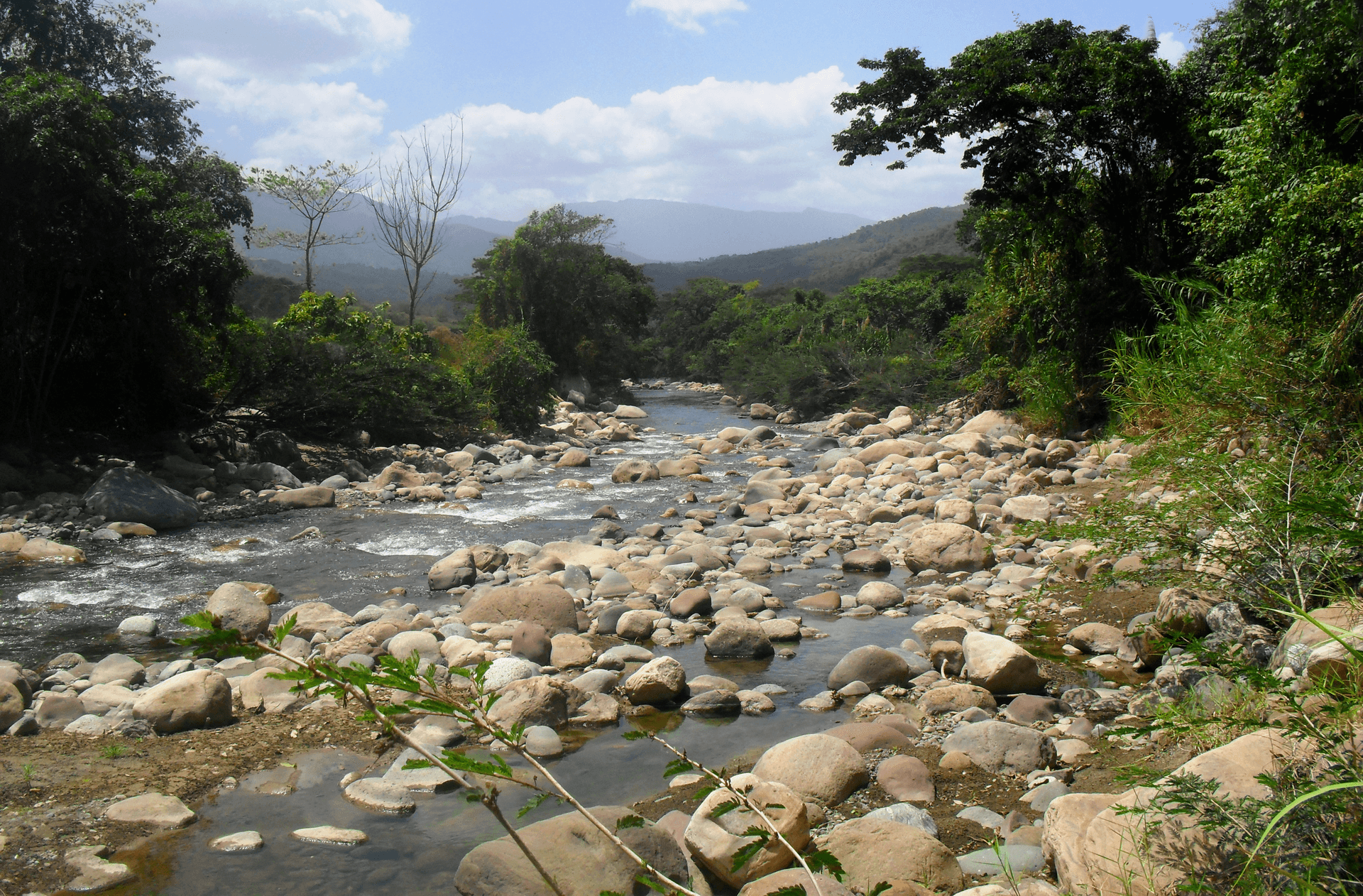
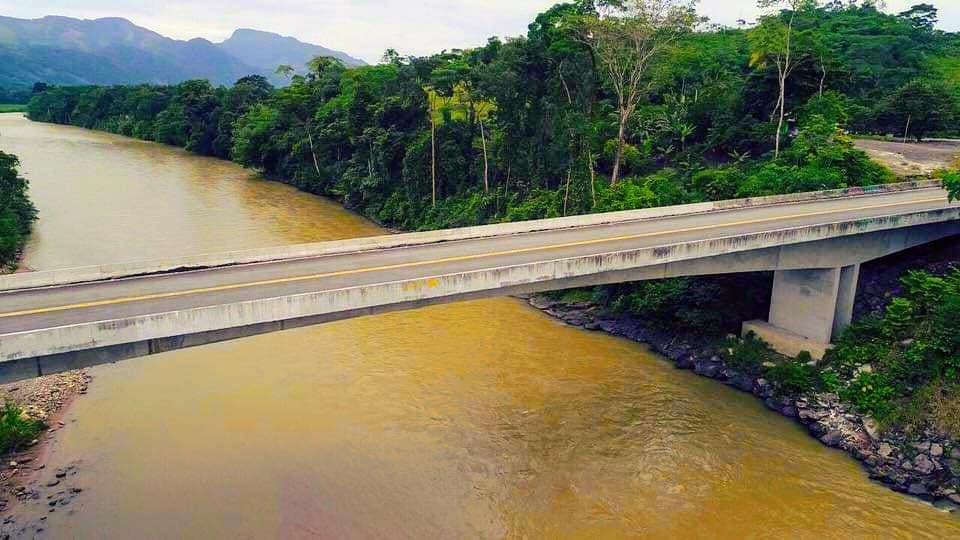
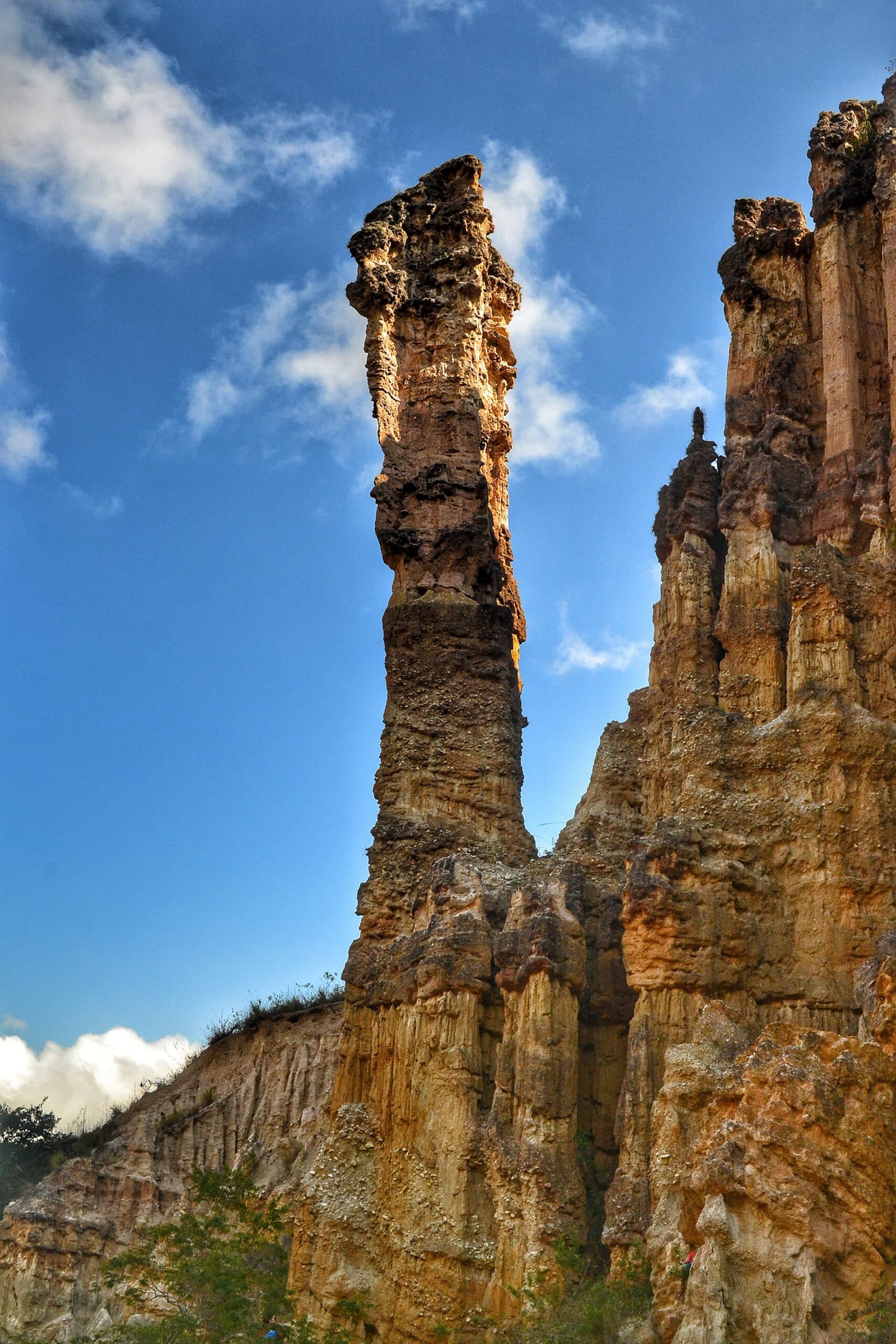
Start at the river’s most accessible stretch near the village of La Esperanza. A well-trodden footpath follows the left bank for roughly three kilometers, passing stands of ceiba and higuerón trees where motmots and toucans are commonly sighted. At the old stone bridge, interpretive panels recount the 1899 battle without dramatizing it. Further upstream, local outfitters run gentle two-hour floats on inflatable rafts when water levels permit; the current is usually mild enough for beginners. Photographers favor the late-afternoon light on the limestone cliffs that rise above the eastern shore.
Practical Activities
- Guided history walks that combine the battlefield trail with stories from descendants of the combatants.
- Birdwatching at dawn from the wooden observation deck built by the local tourism board.
- Short canyoning excursions in a side creek that joins the Peralonso just south of the main bridge.
How to Get There
Most travelers arrive via Cúcuta, 25 kilometers to the north. Shared taxis and small buses run hourly to the village of La Esperanza; from there it is a flat ten-minute walk to the riverbank. If driving, the paved road from Cúcuta to Villa del Rosario continues south and crosses the Peralonso; ample parking exists at the bridge viewpoint. No special vehicle is required.
Best Time to Visit
Water levels are most reliable from late November through early April, when the dry season keeps the river clear and the trails firm. Mornings are cooler and better for walking; afternoon rains are common from May to October but rarely last long. Avoid the river after heavy downpours, as flash floods can occur in the narrower sections.
Nearby Places Worth Adding
Combine a river visit with the historic center of Villa del Rosario, site of the 1821 Congress that helped shape modern Colombia. Further afield, the thermal springs at Las Vetas offer a relaxing contrast to a day of walking. The border city of Cúcuta provides full services and international connections if you are continuing into Venezuela or returning to Bogotá by air.