Why the Tahuamanu River Stands Out
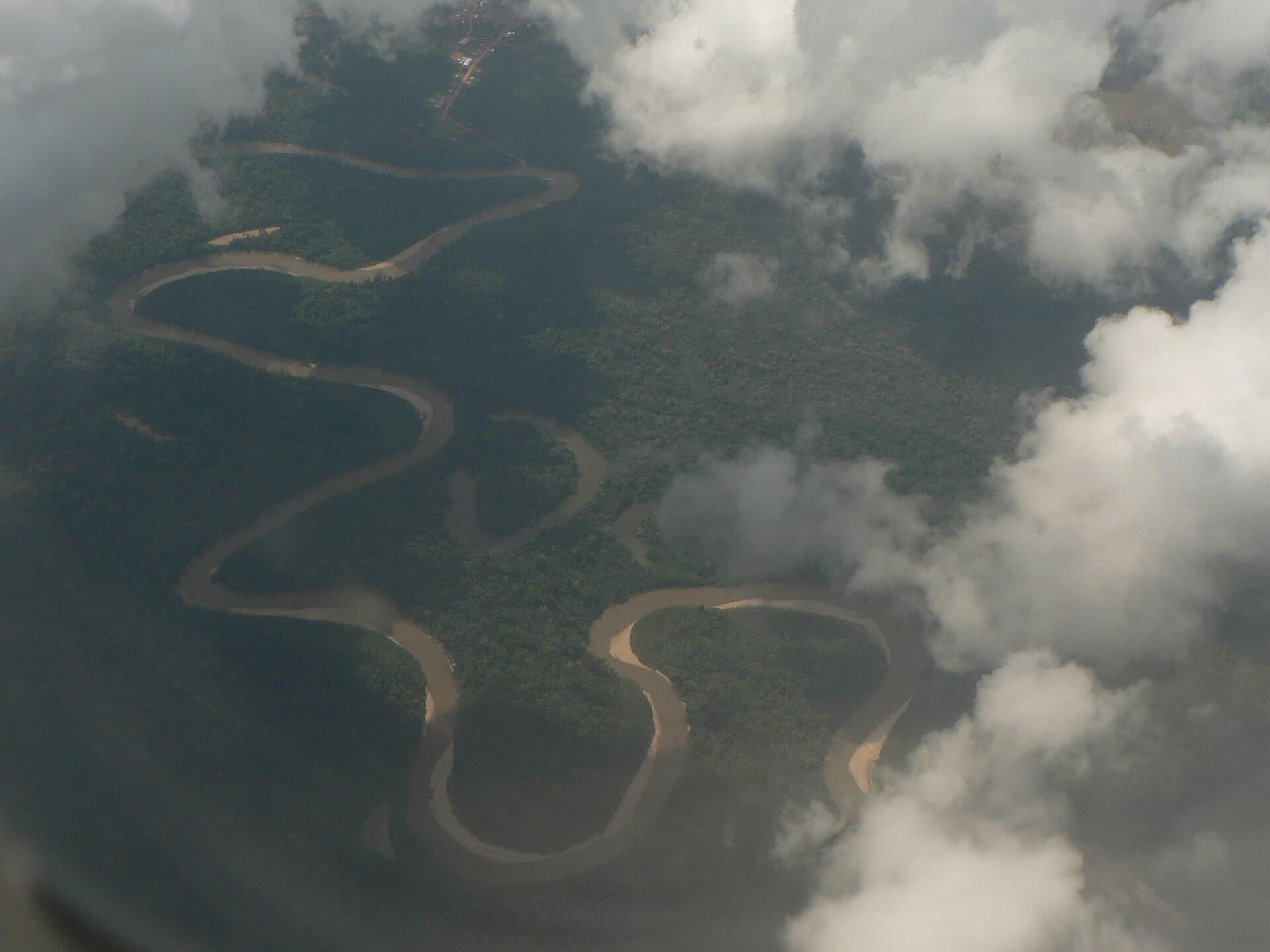
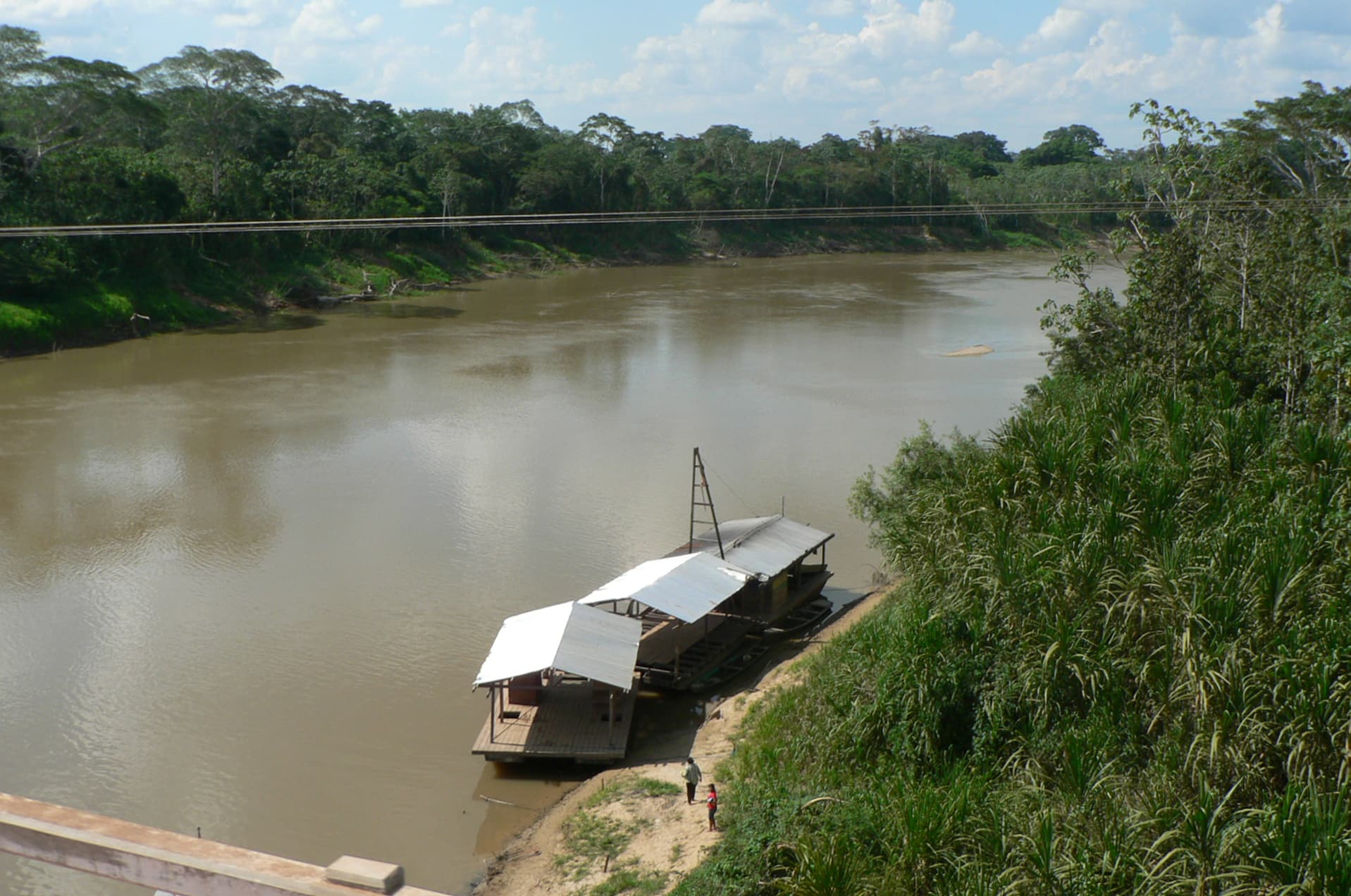
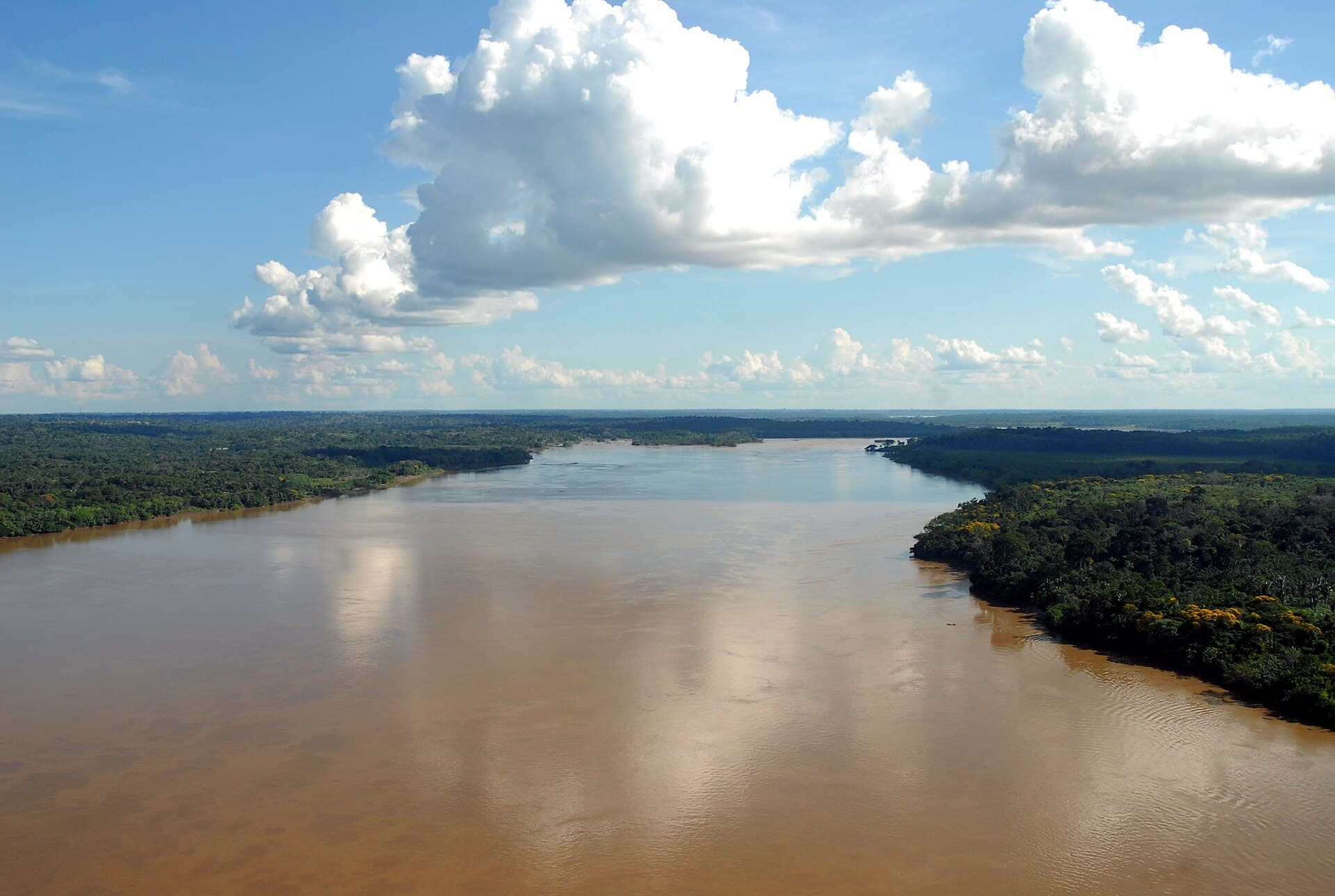
The Tahuamanu River winds through the dense lowland forests of Bolivia’s Pando Department, forming part of the larger Abuná-Madre de Dios watershed. Its dark, tea-colored waters support healthy populations of giant river otters, pink river dolphins, and abundant birdlife, offering visitors a quieter alternative to more developed Amazon destinations.
What to See and Do
Multi-day river expeditions by motorized canoe or smaller paddle craft reveal oxbow lakes and quiet tributaries. Early-morning outings often yield sightings of howler monkeys, macaws, and kingfishers. Local operators lead night excursions to spot caimans and nocturnal mammals. Fishing for peacock bass and piranha is popular with catch-and-release rules in many areas. Some tours include visits to riverside communities where residents demonstrate sustainable harvesting of Brazil nuts and medicinal plants.
Wildlife Watching
The river corridor functions as a natural corridor for Amazonian fauna. Keep binoculars ready for toucans, oropendolas, and the occasional jaguar track along muddy banks. Manatee sightings remain rare but possible in calmer backwaters.
How to Reach the Tahuamanu
Most travelers fly into Cobija, the departmental capital, then continue by road or chartered boat to river lodges near the town of Puerto Rico. Access is also possible from Riberalta via the Beni River system, though this route requires more time and transfers. Four-wheel-drive vehicles are advisable during the wettest months when dirt roads soften.
Best Time to Visit
The dry season from May through October brings lower water levels, easier navigation, and fewer mosquitoes. Peak wildlife activity occurs at dawn and dusk. The rainy season (November–April) transforms the river into a broader floodplain, ideal for those seeking solitude but requiring more flexible itineraries.
Nearby Attractions
Combine a Tahuamanu trip with the Manuripi-Heath National Wildlife Reserve to the south or short flights to the Madidi region for contrasting high-forest hikes. Cross-border day trips into neighboring Brazil are occasionally arranged when river levels permit.