Skip to content
Plan & Tour
DestinationsItinerariesTravel BlogAboutContact
0Sign inPlan a trip
Plan & TourPlan & Tour

Travel guides, destination inspiration and curated itineraries for Canada, the USA and beyond, plus a free tool to plan your own day-by-day trip.

Get travel inspiration

Explore

  • All Destinations
  • Curated Itineraries
  • Travel Blog
  • Plan a Trip

Topics

  • Hiking & Nature
  • Food & Drink
  • City Breaks
  • Budget Travel

Company

  • About Us
  • Contact
  • Privacy Policy
  • Terms of Service

© 2026 Plan & Tour. Built for travellers.

Discover the world, one trip at a time.

Orthon River: Bolivia’s Remote Amazon Tributary in Pando
  1. Home
  2. Destinations
  3. Pando Department
  4. Orthon River: Bolivia’s Remote Amazon Tributary in Pando
River

Orthon River: Bolivia’s Remote Amazon Tributary in Pando

A guide to navigating the wild, biodiverse waters of the Orthon River deep in Bolivia’s northern Amazon.

Pando DepartmentUpdated 13 October 2026

Discovering the Orthon River

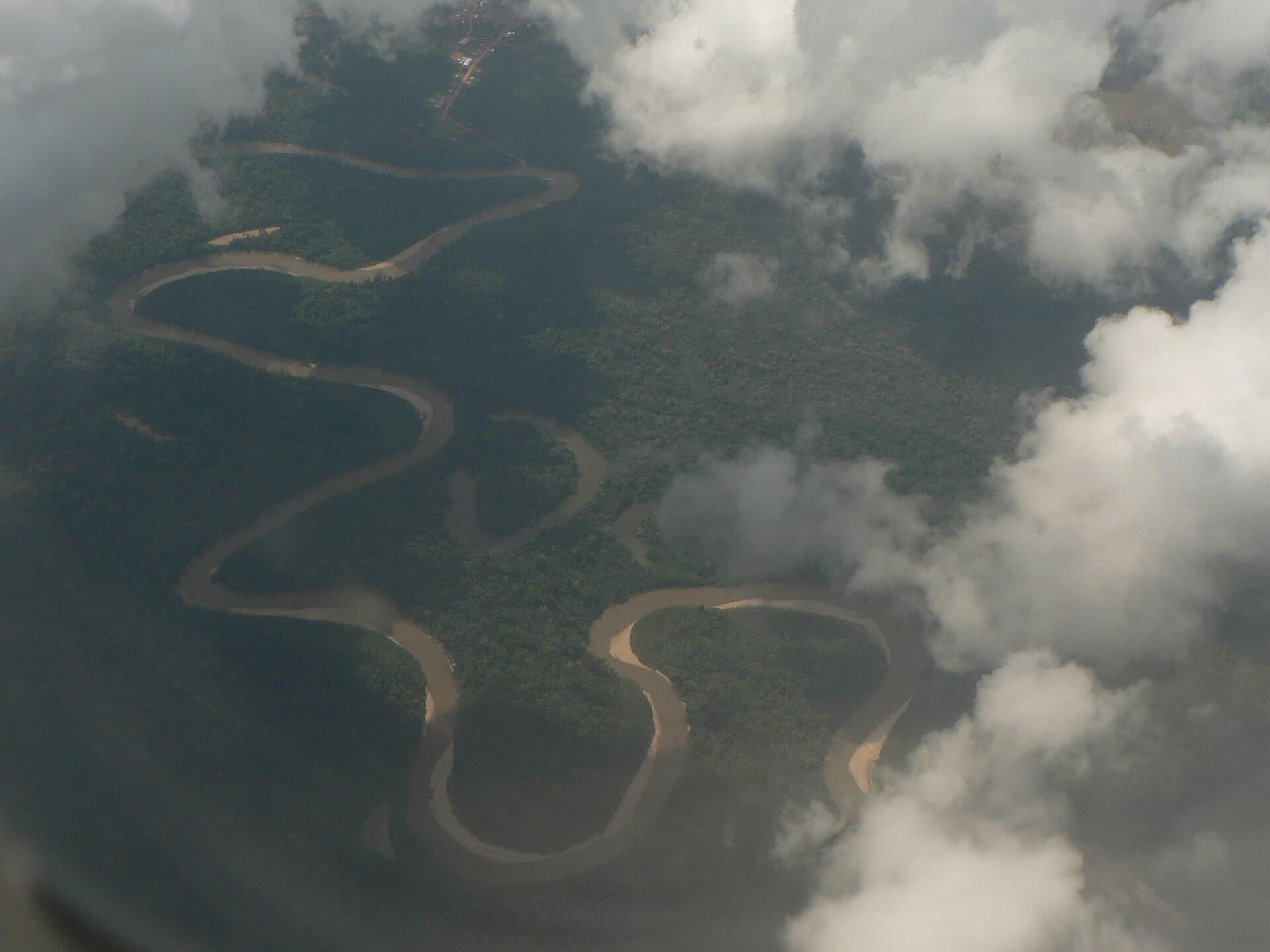
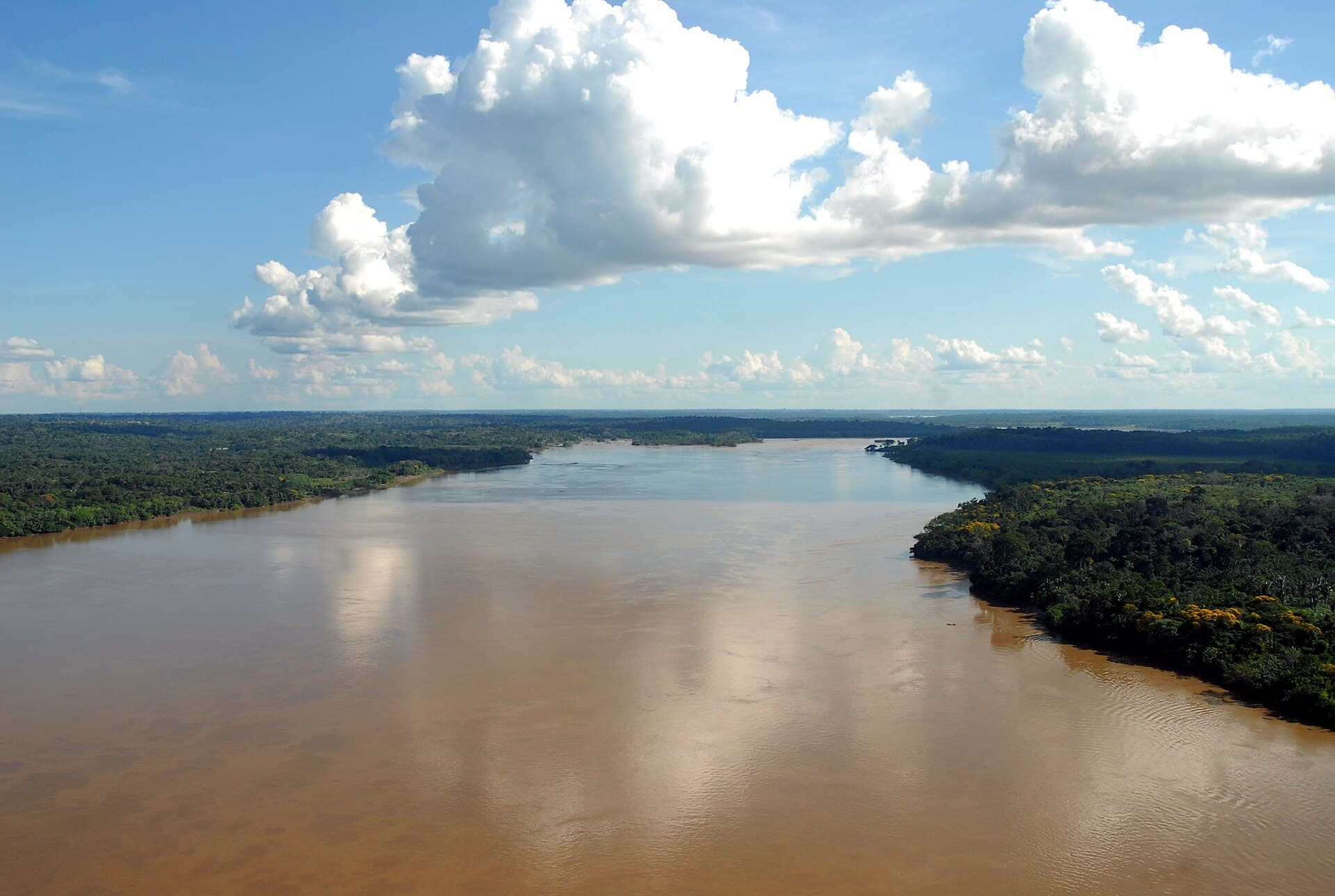
The Orthon River flows through the remote Pando Department of northern Bolivia, forming part of the vast Amazon basin. It winds through dense rainforest and seasonally flooded plains, offering visitors a rare look at an intact river ecosystem far from major tourist routes.

Wildlife and Natural Features

Travelers on the Orthon can spot howler and spider monkeys, macaws, toucans, and occasional pink river dolphins. The surrounding forest supports giant river otters and numerous caiman species. Clear-water stretches alternate with darker tannin-stained sections, creating varied habitats for fishing and quiet observation.

Getting There

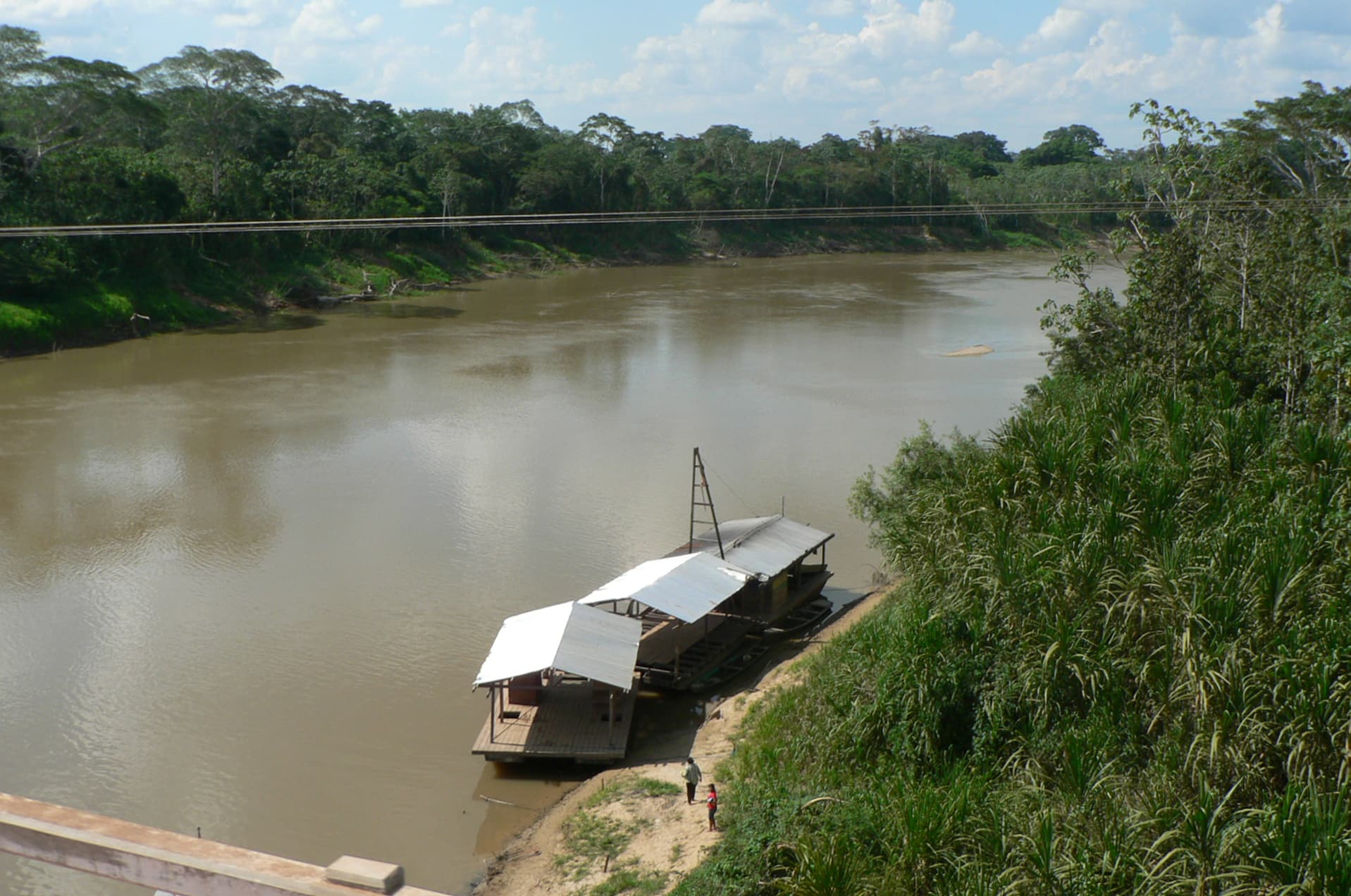
Most visitors reach the river by first flying into Cobija, the departmental capital, or Riberalta. From these towns, riverboats or smaller launches provide access to the Orthon’s upper and middle sections. Road connections are limited and often impassable in the wet season, making boat travel the practical choice.

Best Time to Visit

The dry season from May through October offers the most reliable conditions for navigation and wildlife viewing. Water levels drop, exposing sandbars for camping and allowing smaller boats to reach narrower tributaries. The wet season brings higher waters and lush vegetation but can limit movement and increase mosquito activity.

Activities on and Around the River

  • Multi-day boat journeys with stops at indigenous Tacana and Ese Ejja communities for cultural exchanges and craft purchases.
  • Guided fishing for peacock bass and catfish in deeper pools.
  • Early-morning or dusk canoe trips to watch birds and mammals along the banks.
  • Short jungle walks to learn about medicinal plants and rubber-tapping history.

Nearby Destinations

The Orthon connects downstream with the larger Madre de Dios River system. Travelers often combine a river trip with visits to Riberalta’s chestnut-processing cooperatives or continue toward the Brazilian border at Guayaramerín for a broader Amazon loop.

Visitor tips

  • Hire local boat operators familiar with shifting sandbars and seasonal water levels rather than attempting independent navigation.
  • Carry a good supply of insect repellent, long sleeves, and a wide-brim hat; the rainforest environment has persistent mosquitoes year-round.
  • Respect community protocols when visiting riverside settlementsu2014ask permission before photographing people or entering private land.

Frequently asked questions

How long does it take to travel the Orthon River by boat?+

Typical journeys from the lower reaches near the Madre de Dios confluence to upper villages last two to four days depending on water levels and stops.

Is the Orthon River safe for swimming?+

Some clear stretches are suitable, but strong currents, submerged logs, and occasional caimans require caution and local guidance.

What kind of accommodation exists along the river?+

Options are limited to basic community lodges, hammock shelters, or camping on sandbars; most visitors sleep aboard boats.

Do I need a guide to visit the Orthon River?+

A local guide or boat captain is strongly recommended for navigation, wildlife interpretation, and respectful interaction with indigenous communities.

What languages are spoken in riverside villages?+

Spanish is the main language, with Tacana and Ese Ejja still used in some communities; a few guides speak basic English.

Share
Google Maps Apple Maps Directions

Image: Grullab · CC BY-SA 3.0 · via Wikimedia Commons

Keep reading

Nearby & related

All stories
Tahuamanu River: Bolivia’s Remote Amazonian Waterway in Pando
Pando Department

Tahuamanu River: Bolivia’s Remote Amazonian Waterway in Pando

Venture deep into the Pando rainforest along the Tahuamanu River for wildlife-rich boat journeys and authentic jungle…

13 October 2026
M
Pando Department

Manuripi River: Bolivia’s Remote Amazon Waterway in Pando

Paddle or cruise this pristine tributary deep in the northern Bolivian rainforest for wildlife, indigenous encounters,…

13 October 2026
Madeira River: Exploring Bolivia’s Amazonian Waterway in Pando
Pando Department

Madeira River: Exploring Bolivia’s Amazonian Waterway in Pando

The Madeira River in northern Bolivia’s Pando Department delivers pristine Amazon rainforest, exceptional wildlife, and…

11 October 2026