Discovering the Madeira River
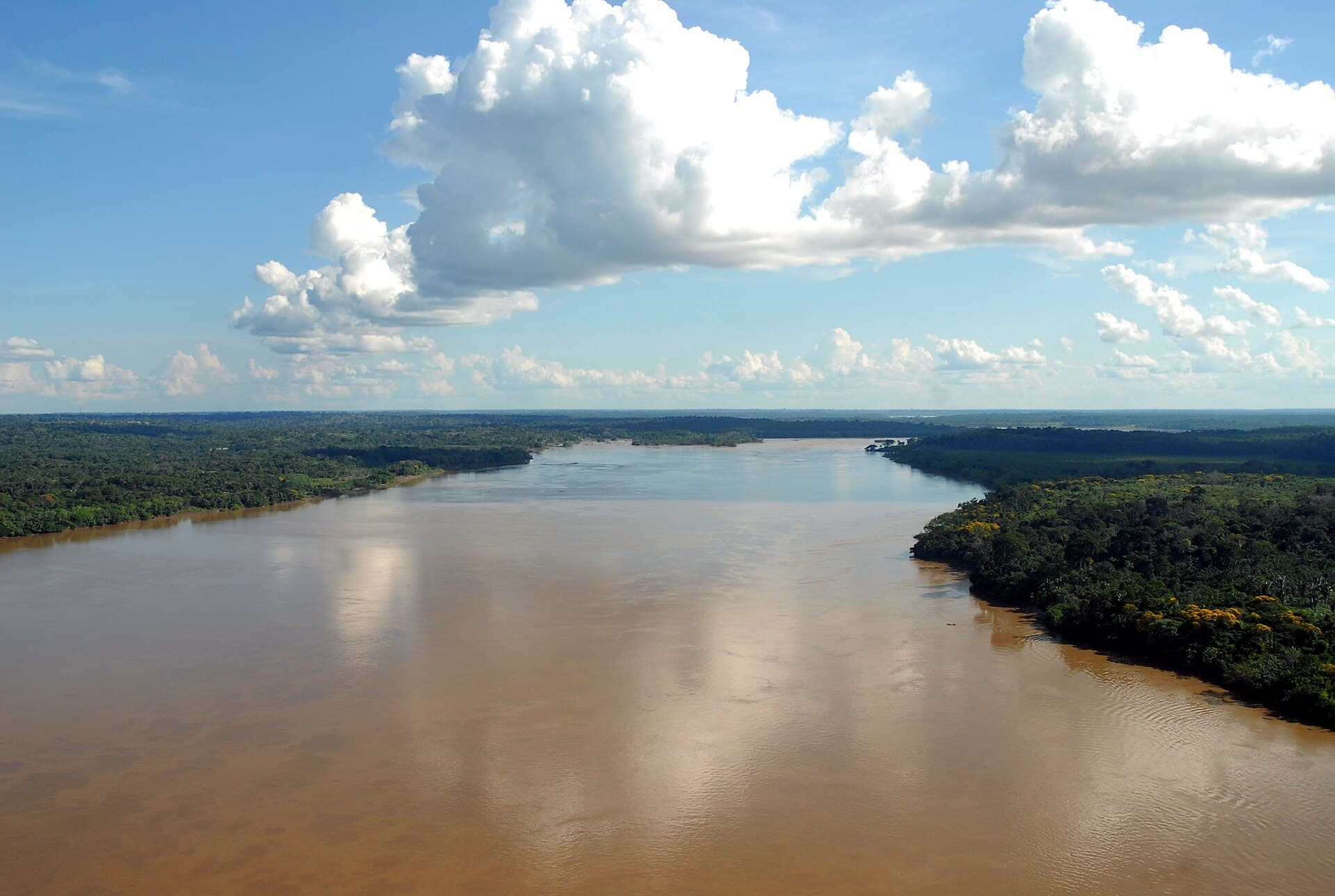
The Madeira River forms one of the Amazon basin’s major arteries as it gathers waters from the Mamoré and Beni rivers near the Bolivia-Brazil border. In Pando Department the river remains wide, slow-moving, and fringed by unbroken forest, giving visitors a genuine sense of the Amazon’s scale and solitude.
Wildlife and Scenery
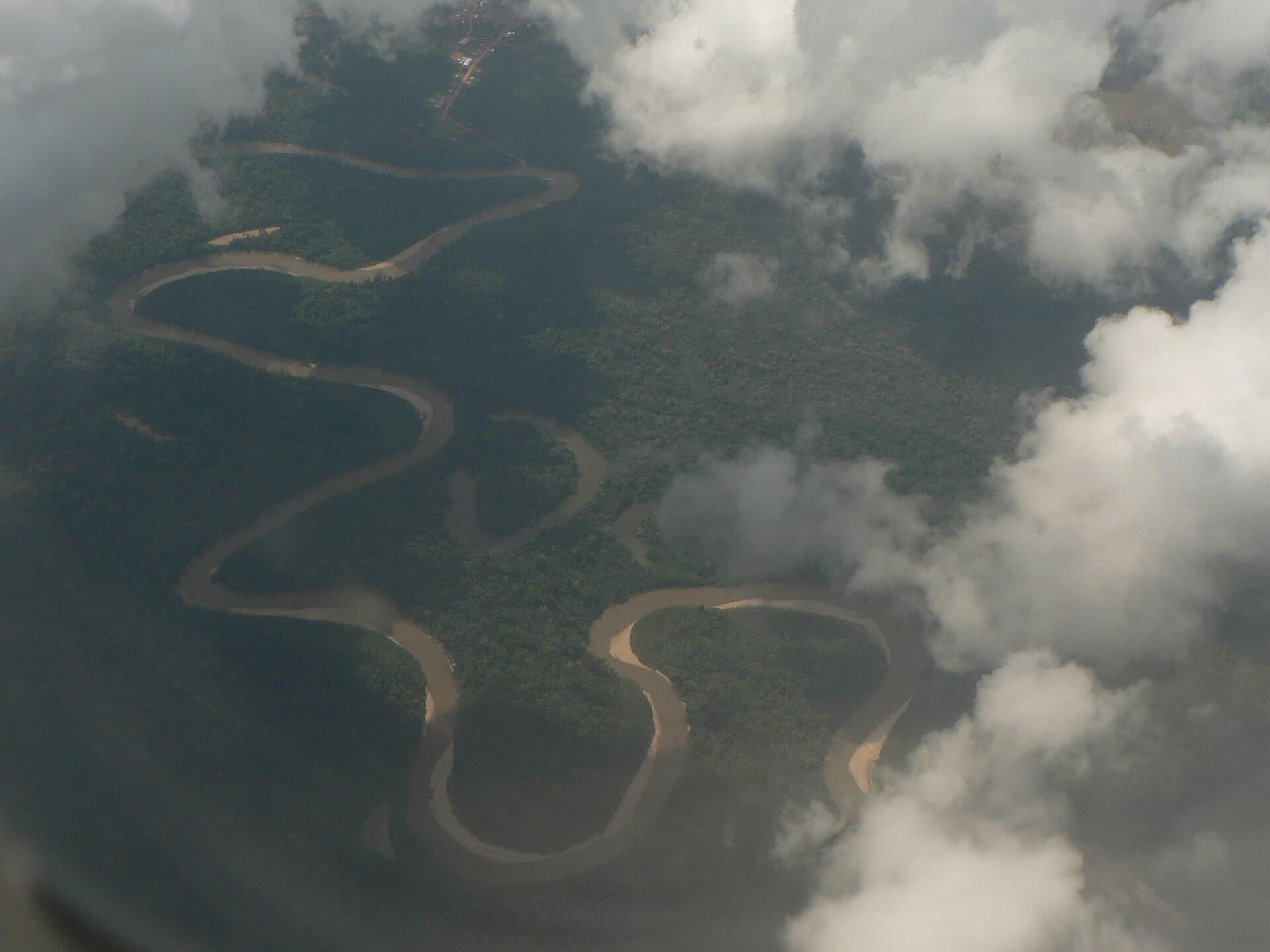
Expect daily sightings of pink river dolphins, toucans, macaws, and howler monkeys. Early-morning boat trips reveal giant river otters and caimans along muddy banks. The surrounding floodplain forests flood seasonally, creating a dynamic mosaic of lakes and channels that support hundreds of fish species and colorful parrots.
Indigenous Communities
Small Tacana and Ese Eja villages along the river welcome respectful visitors. Travelers can learn traditional fishing techniques, taste cassava-based dishes, and purchase handwoven baskets directly from artisans.
Activities on the Water
- Multi-day canoe or motorized boat journeys that follow the river’s gentle current toward the Brazilian border.
- Shore excursions to oxbow lakes for birdwatching and piranha fishing.
- Night floats to spot caimans by flashlight and listen to the forest soundscape.
Getting There
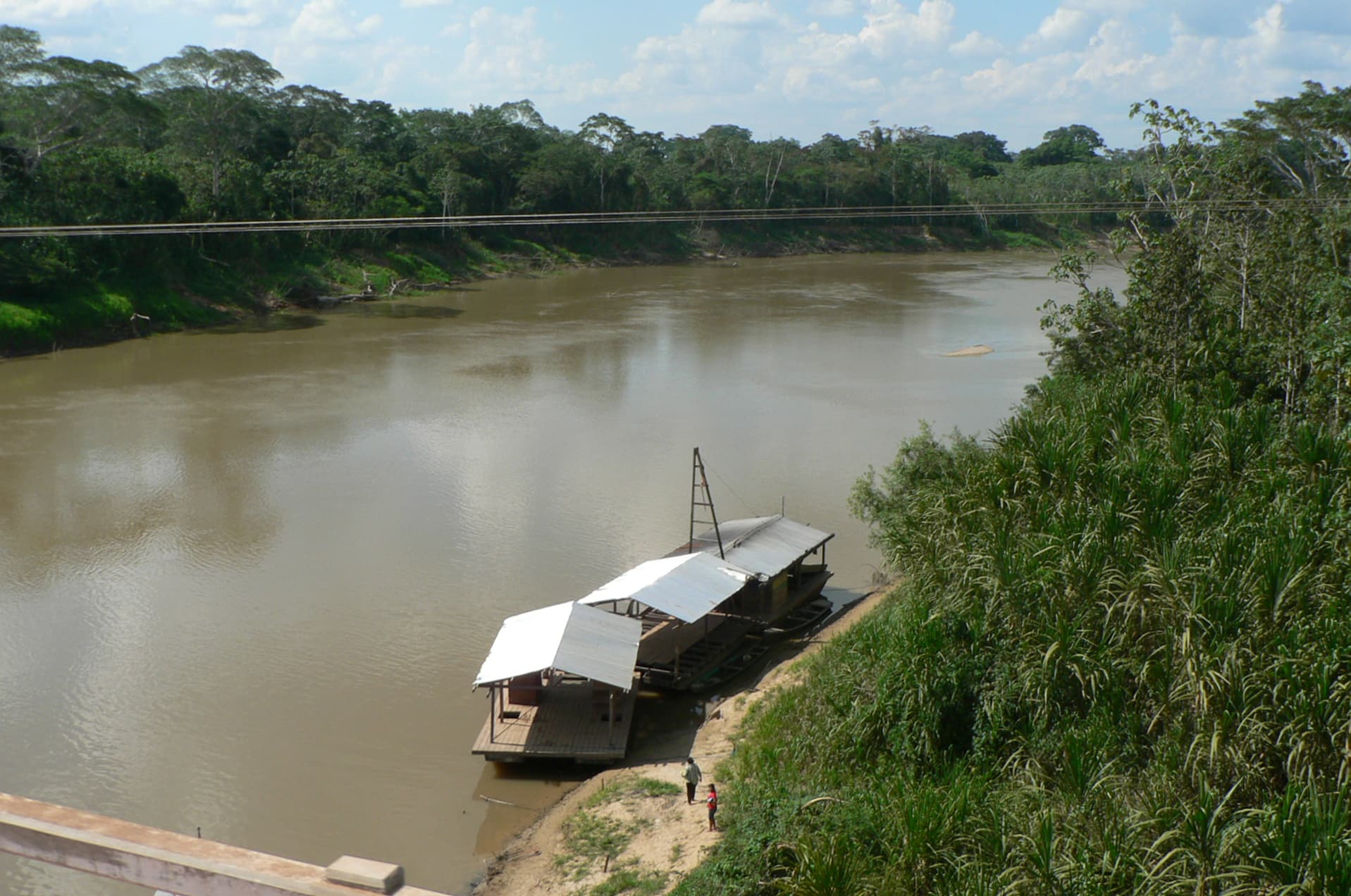
Most visitors fly into Cobija, Pando’s capital, then travel by road to the river port at Puerto Rico or Puerto Gonzalo Moreno. From there, local boat operators arrange transfers to lodges or private guiding services. Independent travelers can also reach the upper Madeira via the Beni River from Riberalta.
Best Time to Visit
The dry season from May through October offers lower water levels, easier navigation, and fewer mosquitoes. The wet season (November–April) brings higher waters that open new channels into the forest but can make travel slower and more unpredictable.
Practical Considerations
Pack lightweight long sleeves, strong sunscreen, and a good hat. River lodges supply mosquito nets; bring your own if camping. Cash in small denominations is useful, as few vendors accept cards.