Why the Manuripi River Stands Out
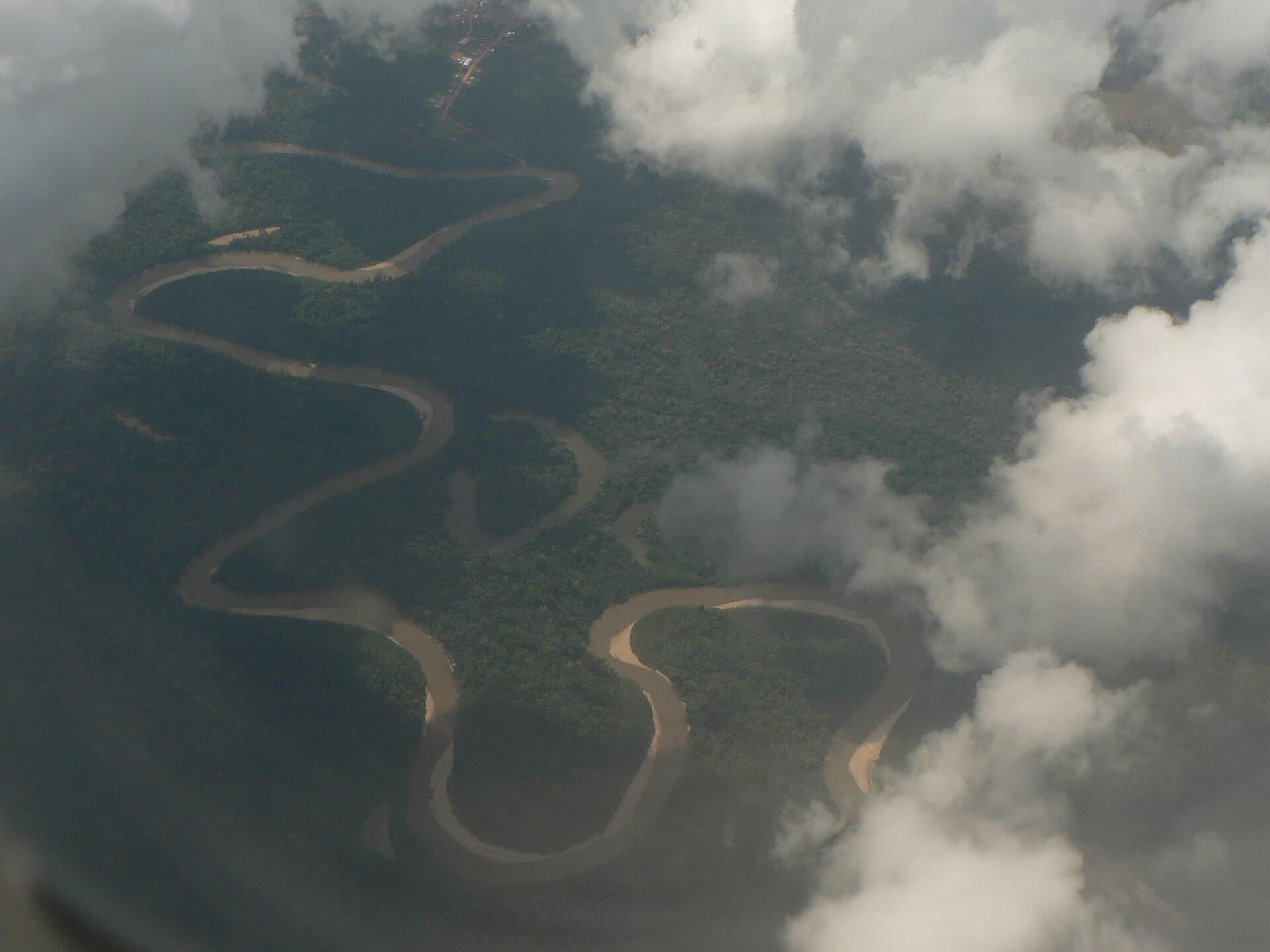
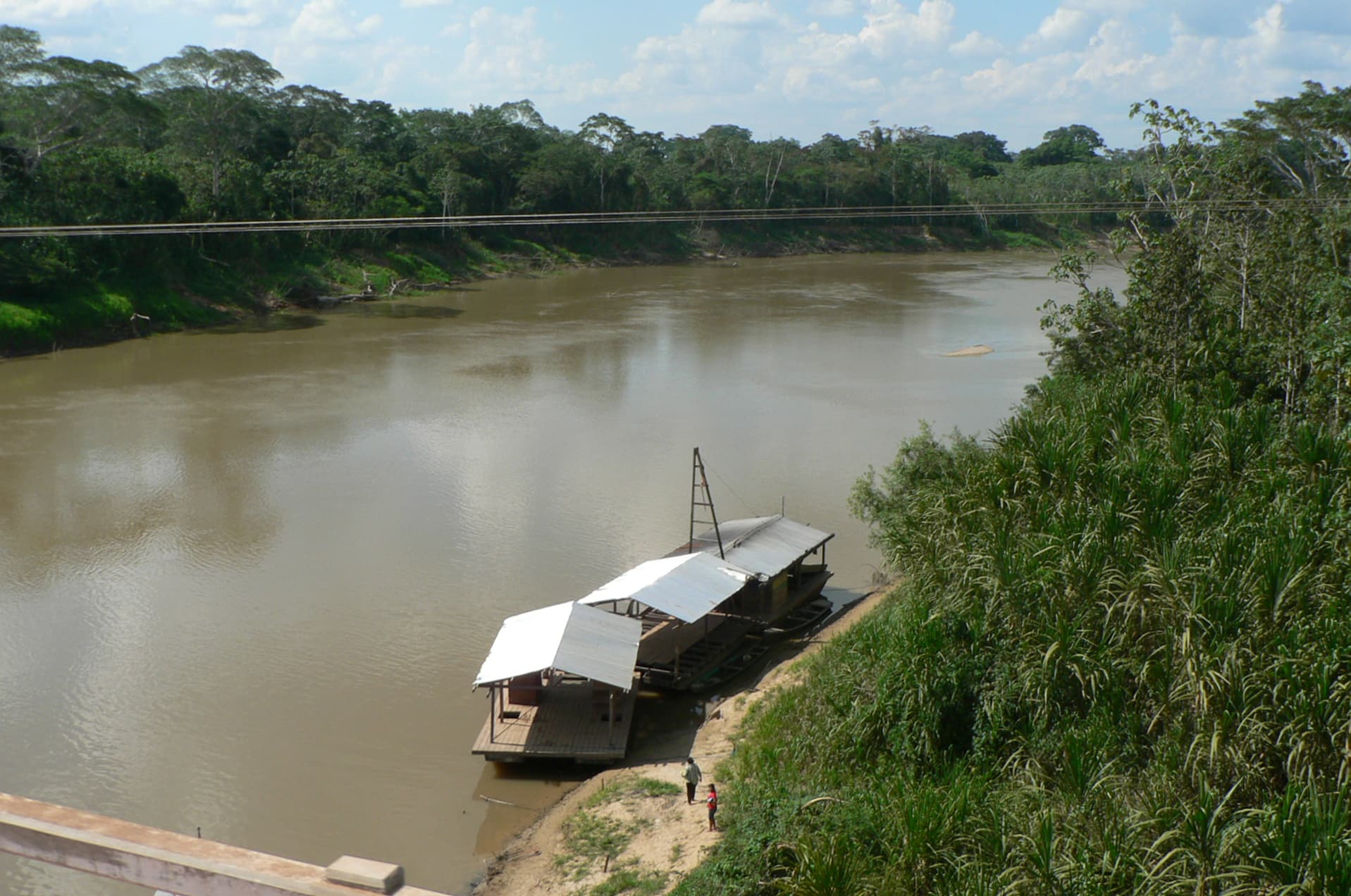
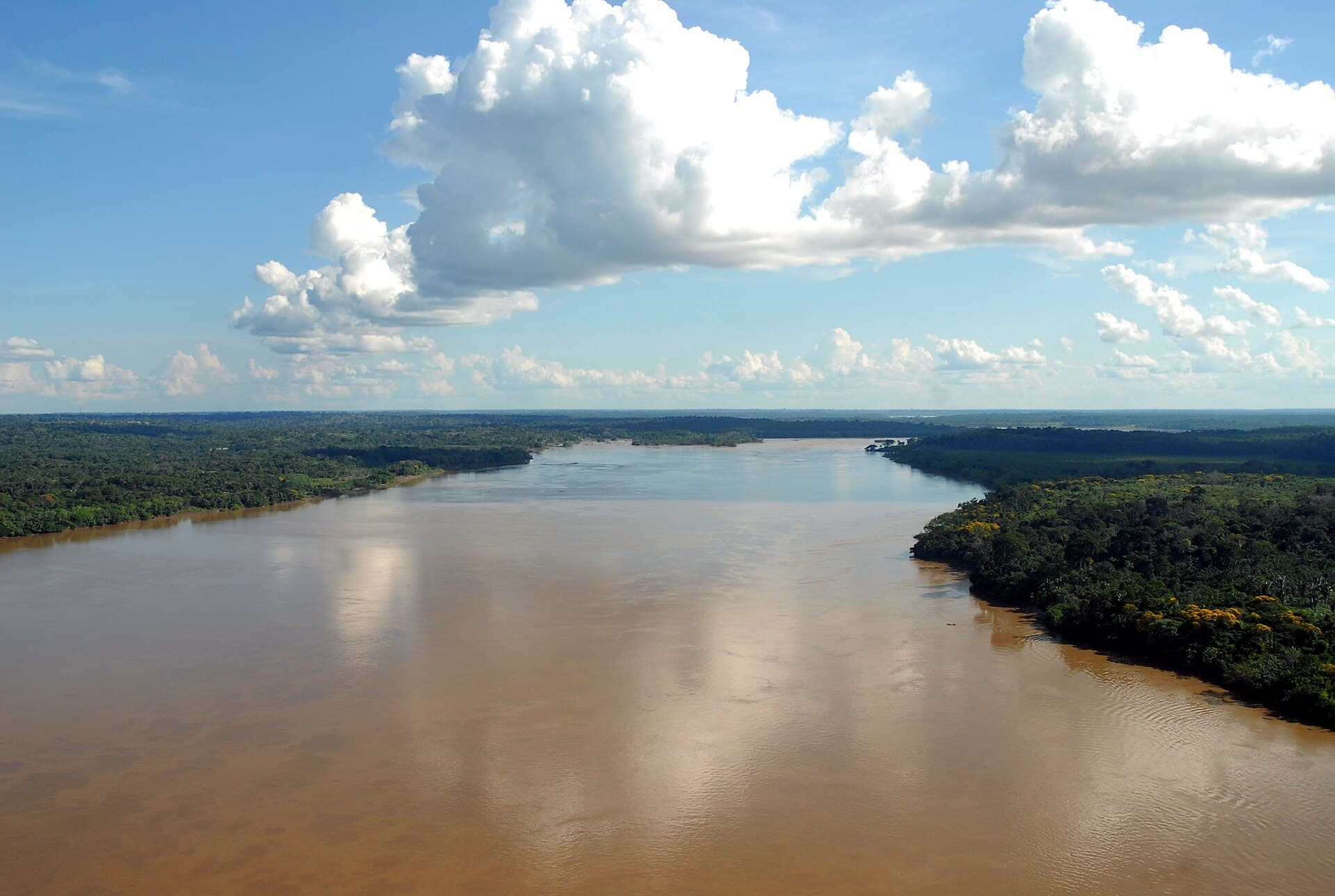
The Manuripi River winds through the remote Pando Department of northern Bolivia, forming part of the vast Amazon basin. Its dark waters flow past dense floodplain forests and seasonal wetlands that support giant river otters, pink river dolphins, and hundreds of bird species. Because the region remains lightly visited, travelers experience quiet stretches where howler monkeys call from the canopy and tapirs visit the banks at dawn.
What to See and Do
Wildlife and River Excursions
Day-long boat trips reveal macaws, toucans, and kingfishers. Night excursions spotlight caimans and nocturnal mammals. Local guides point out medicinal plants and fruit trees used by indigenous communities.
Community Visits and Cultural Experiences
Small settlements along the river welcome visitors for demonstrations of traditional fishing with bow and arrow or preparation of cassava-based dishes. These respectful, short stays support local economies while offering insight into Tacana and Ese Eja traditions.
Fishing and Kayaking
Anglers target peacock bass and catfish in the clear tributaries. Calm sections suit kayakers seeking multi-day paddles through oxbow lakes.
How to Get There
Most travelers reach the river via the town of Cobija, the departmental capital. From there, a combination of road and river transport leads to put-in points near the Manuripi. Organized tours typically arrange transfers and boats; independent visitors should confirm river levels with local operators before departure.
Best Time to Visit
The dry season from May through October offers lower water levels, easier navigation, and concentrated wildlife along shrinking riverbanks. The wet season brings higher waters that open new channels but can limit access to some side streams.
Nearby Destinations
Combine a Manuripi trip with visits to the nearby Tahuamanu River or the vast protected forests bordering Madidi National Park. Cross-border travel to Brazil or Peru is possible via river connections from Pando ports.