Keep reading
Nearby & related
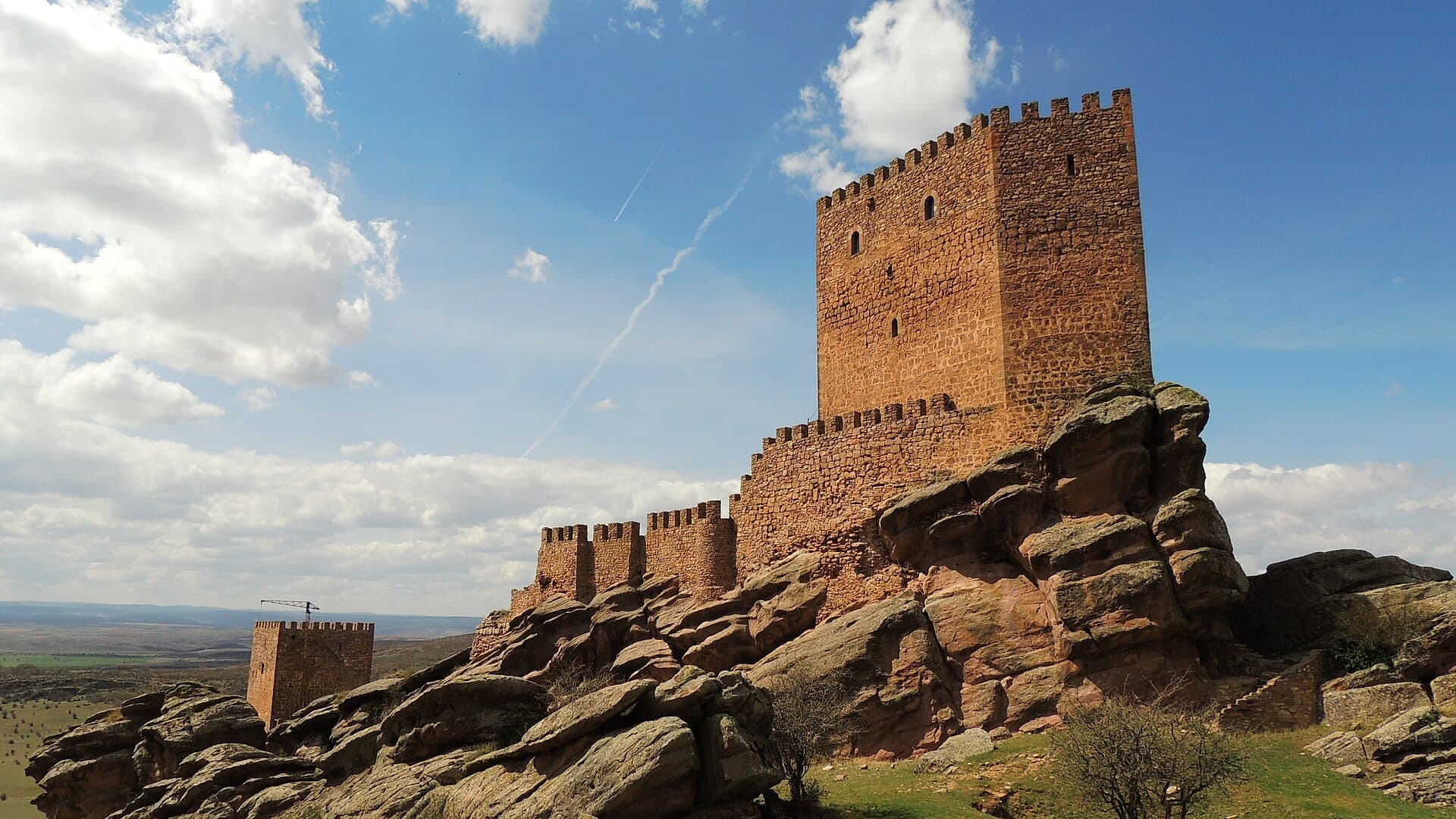
Castle of Zafra: Exploring the Isolated Medieval Stronghold in Castile-La Mancha
This 12th-century fortress stands alone on a sandstone ridge, offering hikers and history lovers a rare glimpse of…
24 November 2026
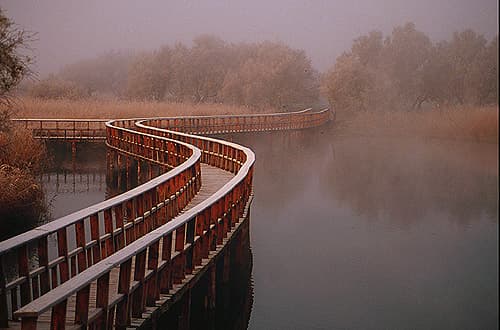
Experience the rare floodplain ecosystem, migratory birds, and restored marshes of this protected wetland in Castile–La Mancha.
Tablas de Daimiel National Park protects one of the last remaining examples of the once-vast La Mancha wetlands. Seasonal flooding from the Guadiana and Cigüela rivers creates a mosaic of permanent pools, reed beds, and dry islands that support dense concentrations of waterfowl and waders. The park’s small size—roughly 3,000 hectares—makes it easy to explore on foot while still offering the feeling of remote wilderness.
Red-crested pochard, ferruginous duck, and purple heron breed here in spring. In winter, thousands of northern shovelers and common teal gather on open water. Marsh harriers patrol the reed beds year-round, and black-winged stilts nest on exposed mudflats. The vegetation includes dense stands of cattail and saw-sedge that create natural corridors for otters and water voles.
Three main boardwalk loops leave from the visitor center. The longest path crosses the central lagoons on raised wooden walkways, offering unobstructed views across flooded tablares. Shorter routes lead to hides overlooking the Cigüela river channel and the drier “islands” where steppe birds such as little bustard occasionally appear. Binoculars or a spotting scope are essential; the birds remain distant even from the hides.
The park lies 30 km northeast of Ciudad Real. Most visitors arrive by car via the CM-4113 road that runs between Daimiel and Villarrubia de los Ojos. Regional trains stop at Daimiel station; from there a 15-minute taxi ride reaches the entrance. Public buses are infrequent, so a rental car or pre-arranged transfer is the most practical option for day trips from Madrid (about two hours by road).
Spring (March–May) and autumn (September–November) bring peak bird diversity and comfortable temperatures. Winter visits can be rewarding for waterfowl but require waterproof footwear after heavy rain. Summer is hot and the marshes shrink, concentrating birds but reducing trail access. Water levels fluctuate yearly; recent restoration work has improved flooding, yet visitors should still check current conditions before traveling.
Combine a morning in the wetlands with the windmills and castle of Consuegra, 45 minutes southeast. The historic center of Ciudad Real offers Mudéjar architecture and good restaurants serving Manchego cheese and migas. Further afield, Cabañeros National Park provides contrasting Mediterranean forest and deer viewing, making a logical two-day itinerary for nature travelers.
Keep reading
This 12th-century fortress stands alone on a sandstone ridge, offering hikers and history lovers a rare glimpse of…
No, the boardwalks and hides are self-guided with clear signage. Guided walks are offered on weekends but are not required for independent visitors.
Yes, the flat boardwalks are stroller-friendly and short loops keep younger children engaged without long walks.
No, all water areas are protected; only walking on designated paths is permitted.
Fixed hides along the main trails provide stable platforms; tripods are allowed but must not block walkways.
Fewer birds concentrate in remaining pools, but the park remains open and walking trails stay accessible; check the official site for current flooding status.
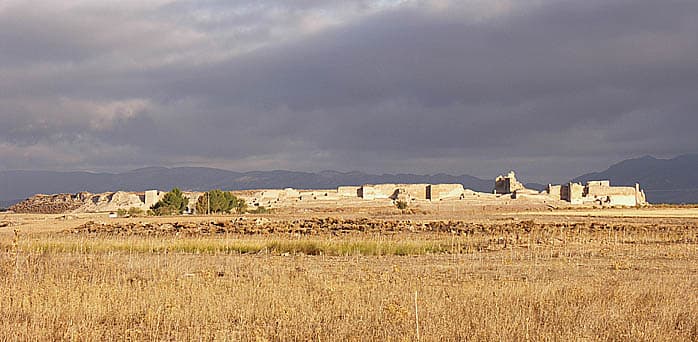
Uncover the ruins of this pivotal 12th-century stronghold that shaped the Reconquista in Spain’s La Mancha region.
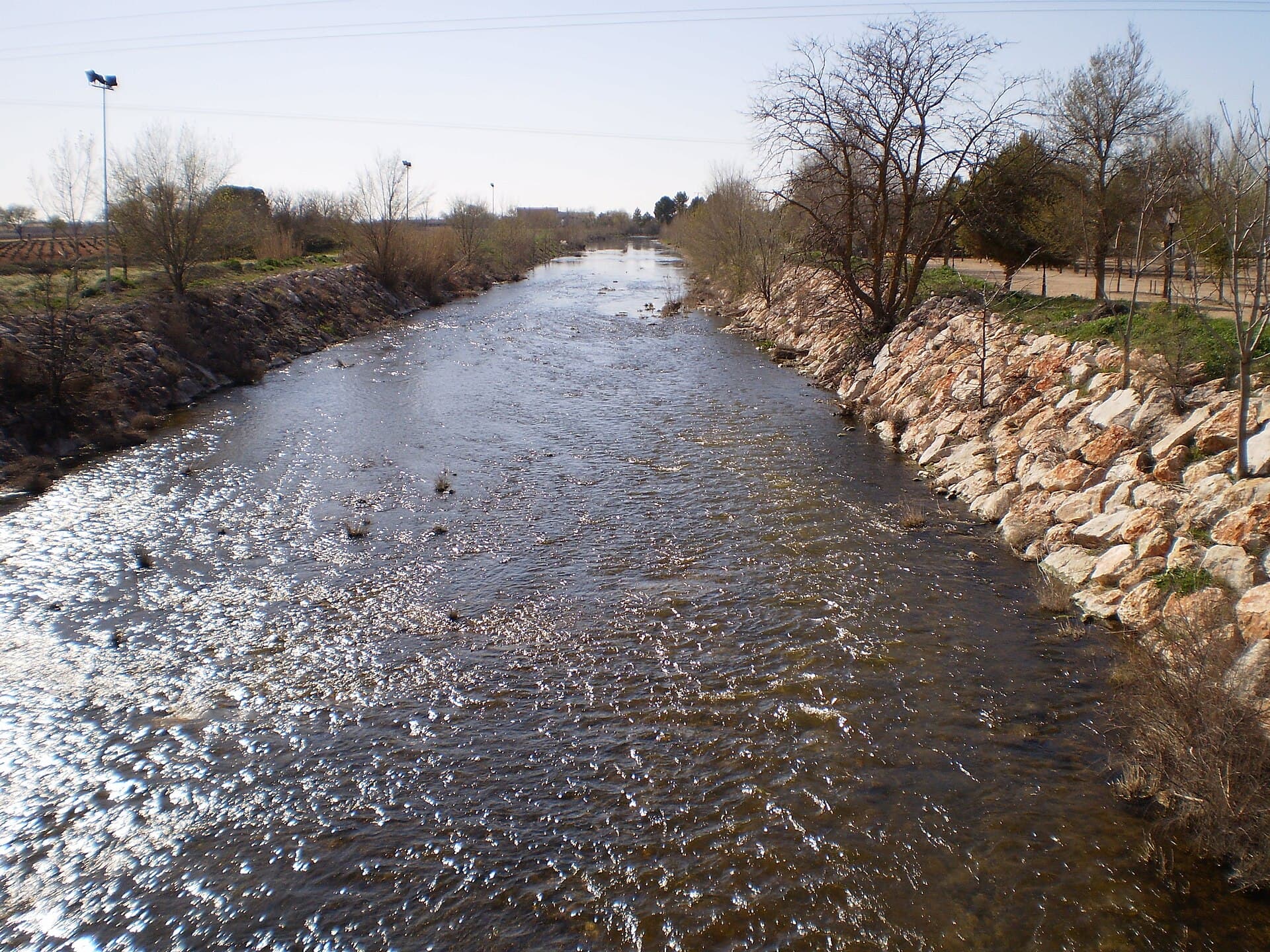
Follow the gentle course of the Záncara through historic plains, wetlands, and quiet villages of Castile-La Mancha.