Why Ta Nei Stands Apart
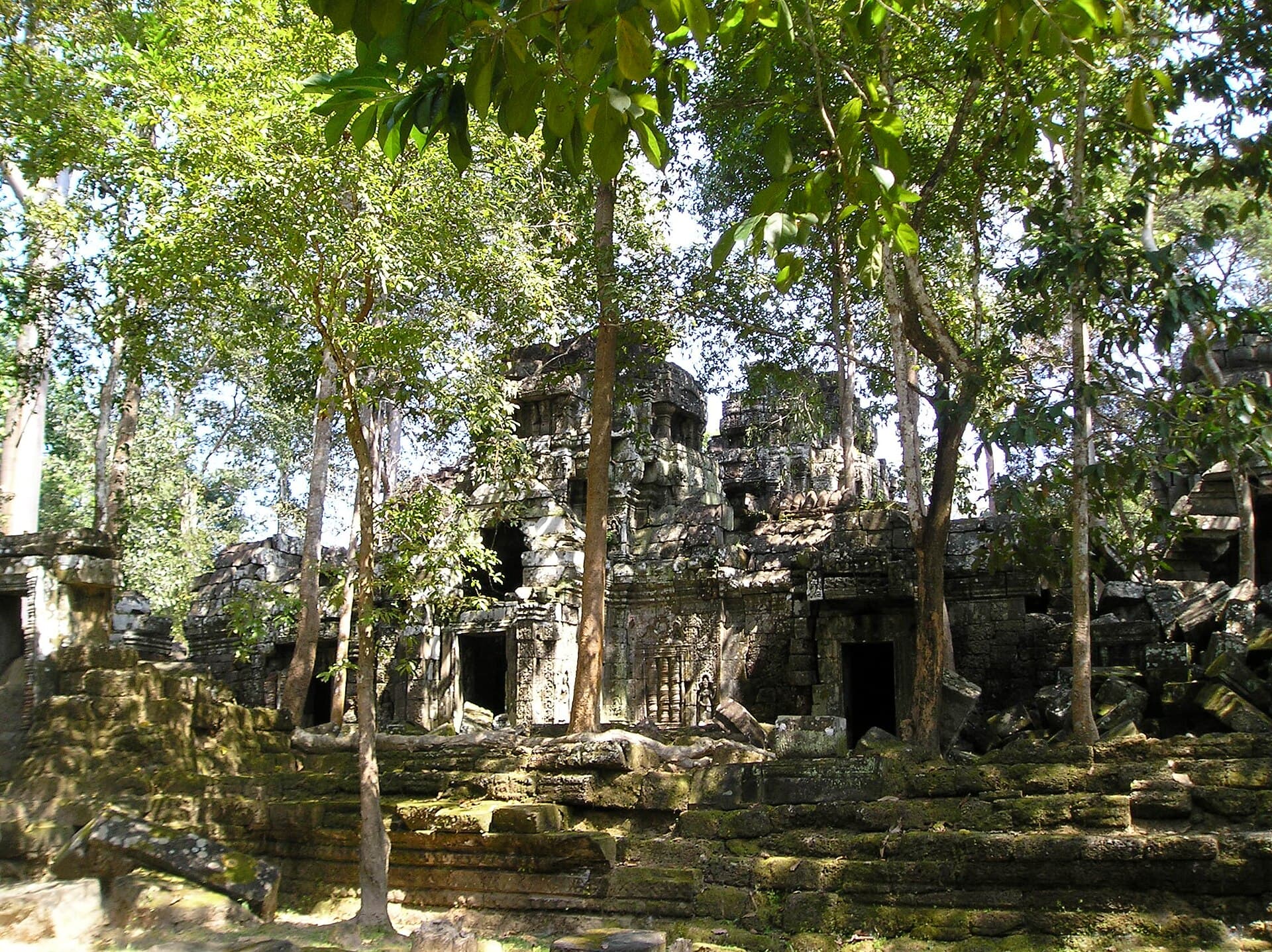
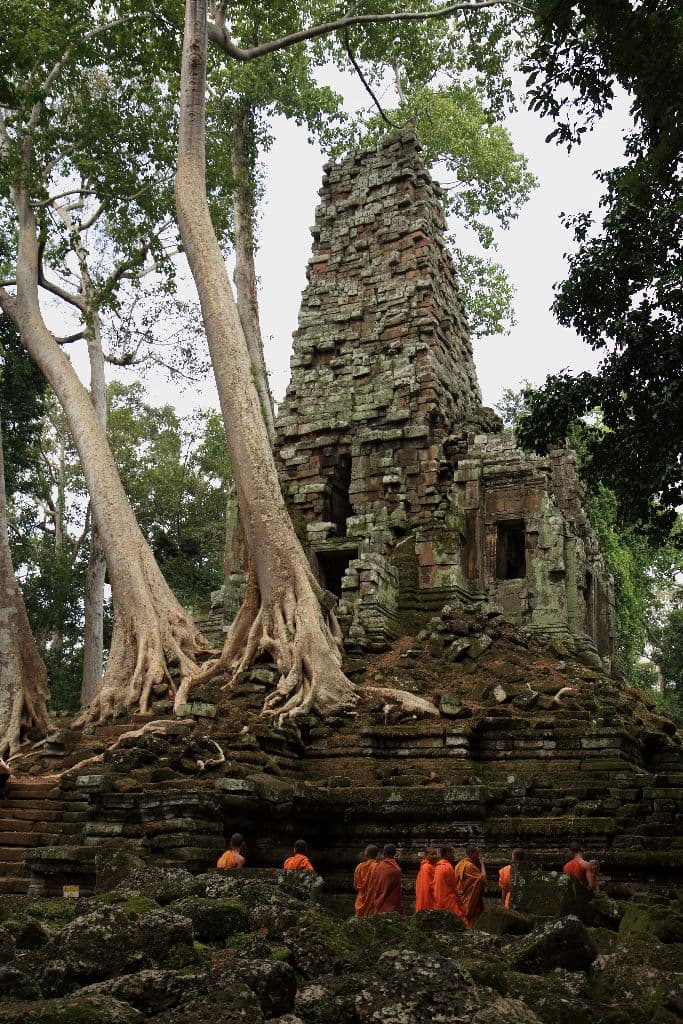
Unlike the grand avenues leading to Angkor Wat or the face towers of Bayon, Ta Nei sits deeper in the forest, its sandstone walls half-swallowed by strangler figs and silk-cotton roots. Built during the reign of Jayavarman VII as a Mahayana Buddhist monastery, the temple still feels like a working excavation rather than a polished monument, giving visitors a tangible sense of how the jungle reclaims stone.
Architecture and Carvings
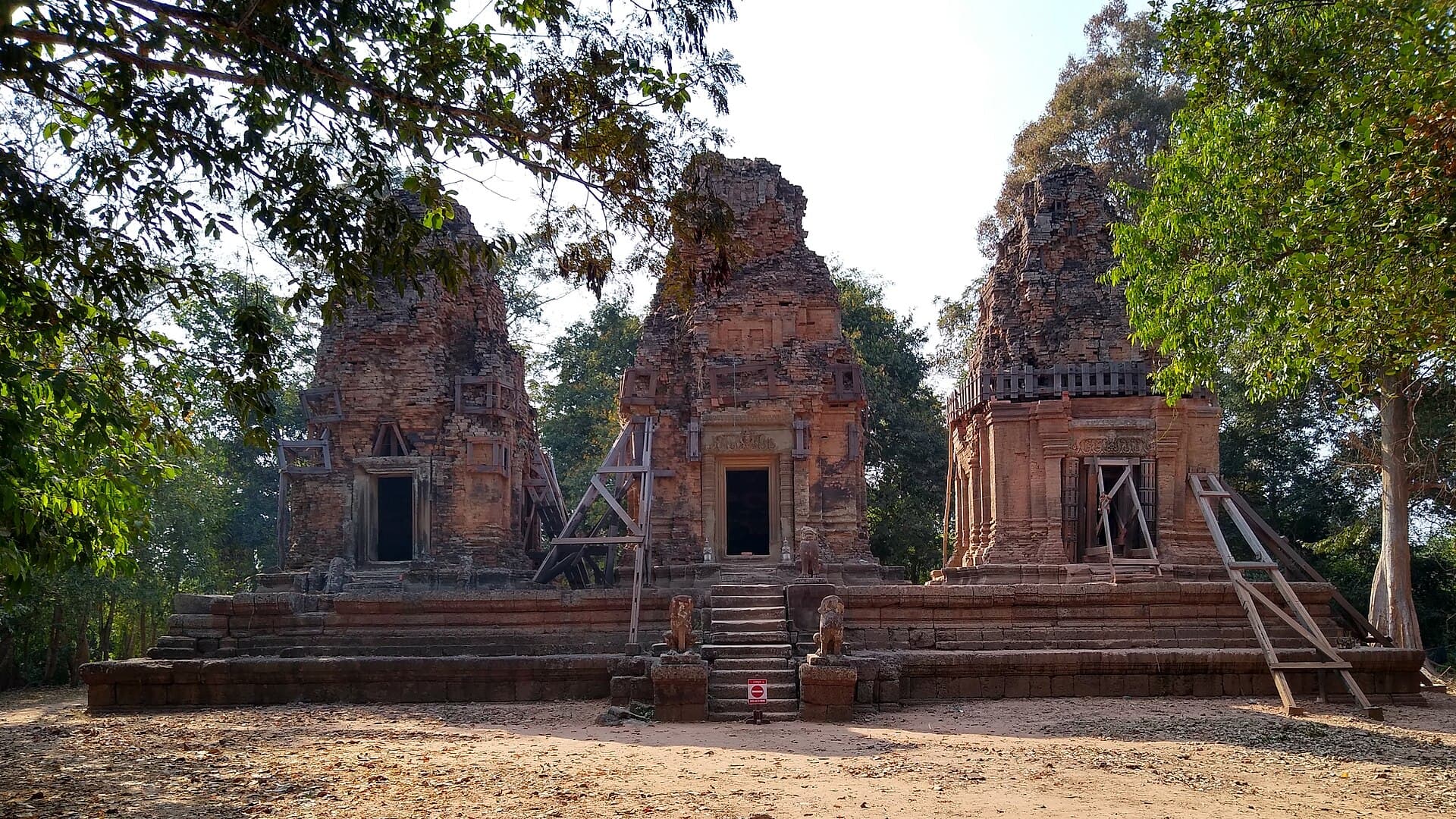
The central sanctuary consists of a single cruciform gopura flanked by two libraries and a laterite enclosure wall. Look for the delicate apsara reliefs that remain surprisingly sharp on the inner walls, and the small Buddha images still tucked into niches where modern looters never reached. The absence of later Hindu modifications means the original Buddhist iconography is more intact here than at many neighboring sites.
Getting There and Moving Around
Ta Nei lies roughly 2 kilometers north of the Bayon, accessible by a narrow laterite road that branches off the main Angkor Thom circuit. Most visitors arrive by tuk-tuk or bicycle; the final stretch is often shaded and quiet enough for walking. Because the site has no ticket booth of its own, it is covered by the standard Angkor Archaeological Park pass. Guides are optional but useful for pointing out the subtle differences between the original Jayavarman VII construction and the 13th-century additions.
Best Time to Visit
The cooler months from November through February offer the most comfortable temperatures and clearest light for photography. Arrive just after the park opens at dawn to enjoy the filtered sunlight through the canopy before tour groups reach the outer temples. The rainy season (June–October) brings dramatic greenery and fewer people, though paths can turn muddy and mosquitoes are more active.
Nearby Sites Worth Combining
Pair a morning at Ta Nei with the nearby Preah Khan or the East Mebon for a full day of lesser-visited monuments. Cyclists often continue north to Ta Prohm and then loop back through the Victory Gate, creating a half-day route that avoids the heaviest crowds at the southern temples.
Practical Considerations
- Sturdy shoes with good tread are essential; roots and uneven paving make sandals impractical.
- Carry at least two liters of water; there are no vendors once you leave the main road.
- Stay on marked paths—unstable masonry and hidden wells remain hazards in the overgrown sections.