History and Significance
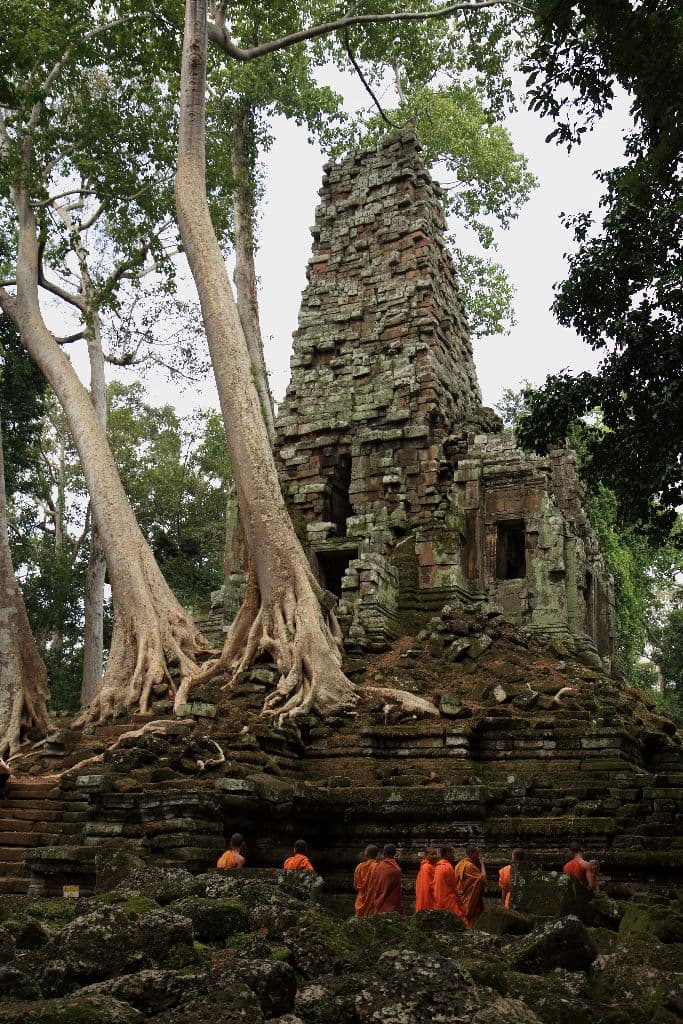
Preah Palilay stands as a modest yet striking Buddhist temple constructed during the reign of Jayavarman VII in the late 12th or early 13th century. Unlike the Hindu-focused monuments that dominate much of Angkor, this site reflects the king’s strong support for Mahayana Buddhism. Its central tower rises unusually high for its footprint, creating a dramatic silhouette against the surrounding forest canopy.
Architecture and Features
The temple’s design blends elements of the Bayon style with earlier influences. Visitors notice the tall laterite and sandstone tower, intricate lintels depicting Buddhist motifs, and the remains of a surrounding gallery. A large Buddha image once occupied the central sanctuary, though many carvings have suffered from time and earlier iconoclastic damage. The compact layout allows visitors to appreciate fine details without the overwhelming scale of larger complexes.
Getting There
Preah Palilay lies within the Angkor Archaeological Park, roughly 1.5 kilometers north of Angkor Thom’s Victory Gate. Most travelers reach it by tuk-tuk, bicycle, or electric scooter from Siem Reap town, typically combining the visit with nearby monuments. Park entry passes cover access; no separate ticket is required.
Best Time to Visit
The cooler, drier months from November through February offer the most comfortable conditions for walking the grounds. Early morning arrivals help avoid both heat and the larger tour groups that peak mid-morning. The site remains accessible year-round, but the rainy season brings muddy paths and occasional closures after heavy downpours.
Nearby Attractions
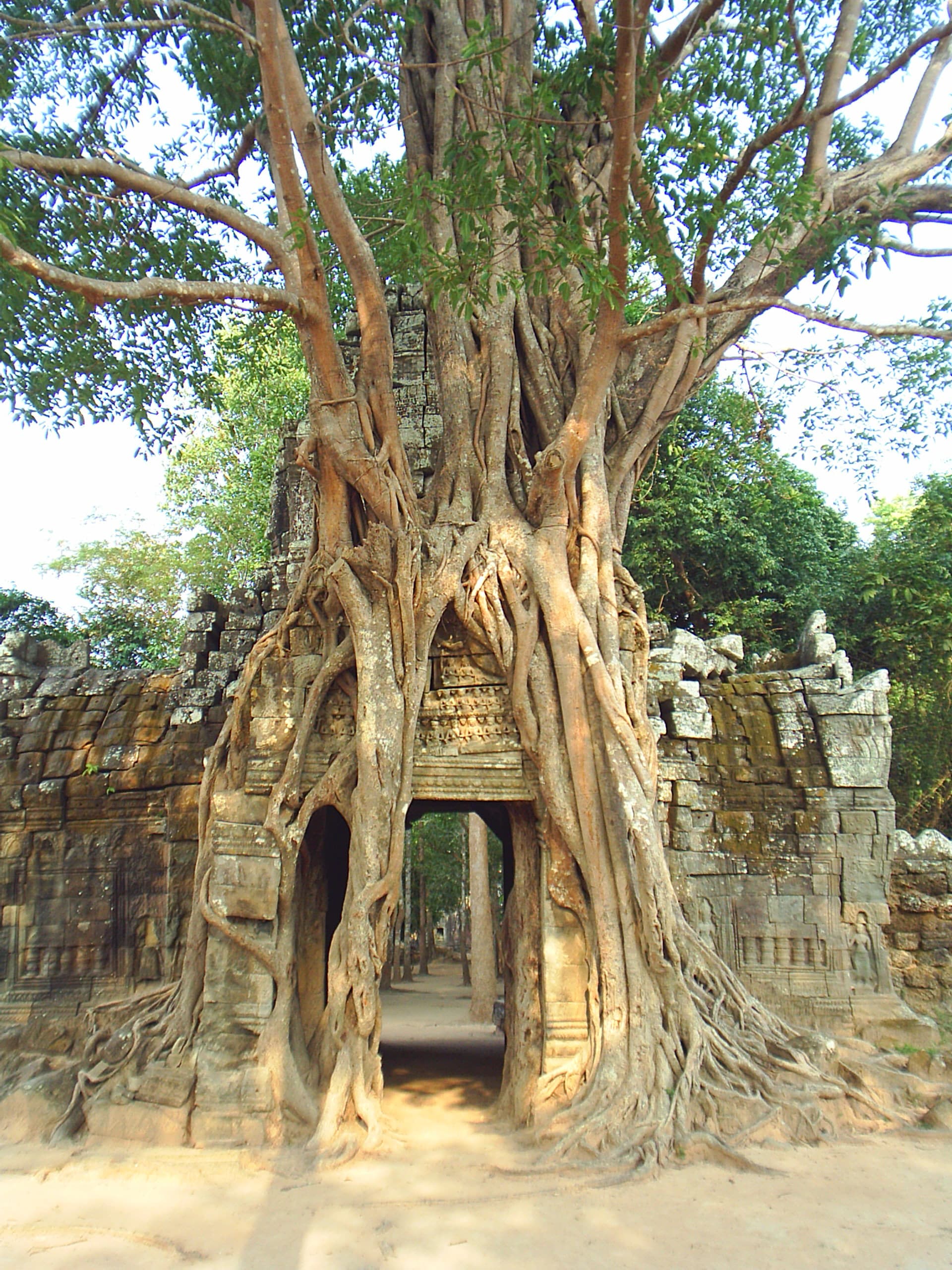
Preah Palilay sits close to the royal palace area of Angkor Thom and the atmospheric Ta Prohm temple with its famous tree roots. A short walk or ride leads to the Terrace of the Elephants and the massive faces of the Bayon. These connections make the temple an easy addition to any full-day circuit of the park’s central monuments.
Practical Advice for Visitors
Comfortable walking shoes are essential, as the terrain includes uneven stones and occasional tree roots. Bring water and sun protection; shaded areas are limited. Photographers find the best light in late afternoon when the tower catches golden tones. Respect ongoing conservation by staying on marked paths and avoiding touching carvings.