Skip to content
Plan & Tour
DestinationsItinerariesTravel BlogAboutContact
0Sign inPlan a trip
Plan & TourPlan & Tour

Travel guides, destination inspiration and curated itineraries for Canada, the USA and beyond, plus a free tool to plan your own day-by-day trip.

Get travel inspiration

Explore

  • All Destinations
  • Curated Itineraries
  • Travel Blog
  • Plan a Trip

Topics

  • Hiking & Nature
  • Food & Drink
  • City Breaks
  • Budget Travel

Company

  • About Us
  • Contact
  • Privacy Policy
  • Terms of Service

© 2026 Plan & Tour. Built for travellers.

Discover the world, one trip at a time.

St. Michael Island: Remote Wilderness and Yup’ik Heritage in Alaska’s Norton Sound
  1. Home
  2. Destinations
  3. Nome Census Area
  4. St. Michael Island: Remote Wilderness and Yup’ik Heritage in Alaska’s Norton Sound
Island

St. Michael Island: Remote Wilderness and Yup’ik Heritage in Alaska’s Norton Sound

A quiet Bering Sea island offering birdwatching, salmon fishing, and layered Russian and Indigenous history just beyond Nome.

Nome Census AreaUpdated 17 August 2026

Why St. Michael Island Stands Out

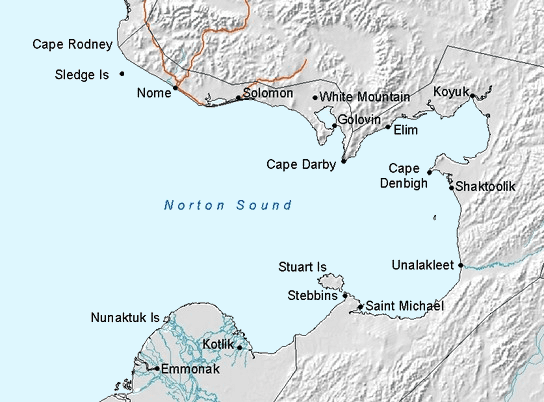
St. Michael Island sits in Norton Sound, a low-lying landmass of tundra, lagoons, and sandy beaches roughly 125 miles southeast of Nome. Its isolation has preserved both abundant wildlife and a small Yup’ik community that continues seasonal fishing and berry-gathering traditions. Visitors come for the chance to step into a landscape shaped by centuries of trade, migration, and extreme weather rather than for developed amenities.

History and Cultural Context

The island hosted a Russian-American Company trading post in the 1830s, later becoming a key supply point for miners heading up the Yukon River. Today the village of St. Michael occupies the same sheltered cove; residents maintain strong ties to the land through subsistence salmon nets, seal hunting, and spring whale-watching from shore. A small museum in the community center displays trade beads, harpoons, and photographs from the gold-rush era.

What to See and Do

Wildlife and Outdoor Activities

  • Scan the tidal flats and nearby islands for migratory waterfowl, especially during spring and fall passages when thousands of geese and ducks funnel through Norton Sound.
  • Join a local boat operator for day trips along the coast to watch for beluga and gray whales in summer.
  • Cast for king and chum salmon from the village beach or nearby rivers when runs peak.

Short Hikes and Village Exploration

Well-worn paths lead across the tundra to old Russian-era graves and the site of the former fort. The flat terrain makes for easy walking; bring binoculars for spotting Arctic foxes and shorebirds. Respect private property and ask permission before crossing family fish camps.

Getting There

Most travelers fly into Nome, then arrange a charter flight or seasonal boat across the sound. The crossing takes two to three hours by small vessel; weather can change quickly, so flexible plans are essential. No road connects the island to the mainland.

Best Time to Visit

July and August offer the longest days, mildest temperatures, and open water for boating and fishing. June brings nesting birds but lingering ice; September offers quieter trails and bright fall colors before freeze-up.

Nearby Destinations

From St. Michael, experienced paddlers or boaters can reach the mouths of the Yukon River or continue to the larger communities of Kotlik and Emmonak. Nome itself provides access to the Iditarod trail, dredge tailings, and the Bering Land Bridge National Preserve.

Visitor tips

  • Pack layers for sudden wind and rain; rubber boots are essential for beach landings and muddy trails.
  • Arrange transportation and lodging through the village tribal office in advance; options are limited and fill quickly during peak fishing weeks.
  • Carry cash for local guiding services and small purchases; there are no ATMs or credit-card terminals on the island.

Frequently asked questions

Is St. Michael Island part of a national park or refuge?+

The island lies adjacent to the Yukon Delta National Wildlife Refuge, but the village itself is private Native land; visitors should follow local guidelines.

Can I camp on the island?+

Informal camping is possible on the beach with permission from the tribal council; bring all supplies as no services exist outside the village.

Are there restaurants or stores?+

A single small store stocks basic groceries and fuel; most visitors bring their own food or arrange meals with host families.

How reliable is the weather for travel?+

Norton Sound fog and storms can ground planes or cancel boat crossings for several days; build buffer days into any itinerary.

What wildlife should I watch for on the tundra?+

Arctic foxes, sandhill cranes, and nesting shorebirds are common; keep distance from any marine mammals hauled out on the beach.

Share
Google Maps Apple Maps Directions

Image: NOAA · Public domain · via Wikimedia Commons

Keep reading

Nearby & related

All stories
S
Nome Census Area

Sledge Island: Remote Wilderness in Alaska’s Bering Sea

This uninhabited Arctic island near Nome offers rugged terrain, seabird colonies, and solitude for adventurous…

16 August 2026
B
Nome Census Area

Besboro Island: Remote Wilderness in Alaska’s Norton Sound

Experience the raw natural beauty and wildlife of this uninhabited island near Nome, Alaska.

15 August 2026
Little Diomede Island: Alaska’s Isolated Bering Strait Outpost
Nome Census Area

Little Diomede Island: Alaska’s Isolated Bering Strait Outpost

A remote Inupiat village on the edge of the United States, offering rare views of Russia and an authentic glimpse of…

13 August 2026