Why Little Diomede Stands Apart
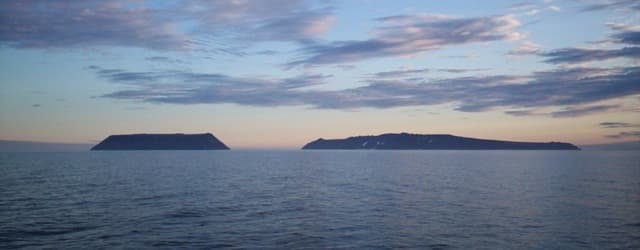
Sitting in the middle of the Bering Strait, Little Diomede Island is one of the most isolated inhabited places in the United States. The steep, rocky island rises sharply from the sea and is home to a small Inupiat community that has lived here for generations. From its western shore, visitors can see Big Diomede Island, just 2.4 miles away in Russian territory, creating a striking visual reminder of two nations separated by a narrow stretch of water and the International Date Line.
Reaching the Island
Access is limited and weather-dependent. Most travelers fly from Nome to the island’s small helipad aboard a helicopter operated by local carriers. Fixed-wing flights are rare because the runway is short and exposed. In summer, occasional supply barges or small boats make the crossing when ice has cleared, though these are not scheduled passenger services. All visitors must arrange transport and lodging in advance through the tribal government or village corporation; there are no hotels or restaurants.
Best Time to Visit
The window for travel is short. June through early September offers the best chance of clear weather and open water. Outside these months, sea ice and extreme cold make helicopter landings unreliable. Summer daylight is nearly continuous, allowing extended time for hiking and wildlife viewing, while temperatures remain cool, typically in the 40s and 50s Fahrenheit.
What to See and Do
The village occupies a narrow shelf on the island’s southern slope. Walking the single main path provides views of traditional homes, the school, and the Russian island across the strait. Bird colonies nest on the steep cliffs; puffins, murres, and kittiwakes are common in summer. Marine mammals such as walrus and seals are often visible from shore. Cultural experiences center on observing daily life and, when invited, learning about subsistence hunting and ivory carving traditions. There are no marked trails or visitor centers; exploration is on foot along established routes.
Nearby Context
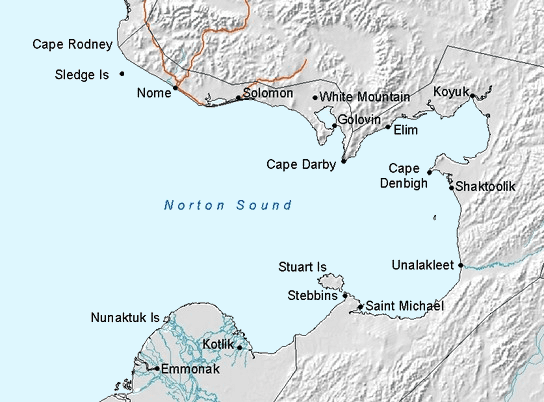
Little Diomede lies roughly 135 miles northwest of Nome. Travelers often combine a visit with time on the Seward Peninsula mainland to see muskox herds or the historic gold-rush town. The Diomede Islands sit at the narrowest point of the Bering Strait, a corridor for migrating whales and seabirds that pass between the Pacific and Arctic Oceans each year.
Respecting the Community
The island’s roughly 80 residents maintain a subsistence lifestyle. Visitors are guests and should follow local guidance on photography, access to homes, and participation in activities. Bring all necessary supplies, including food, because stores are small and stock is limited. Cell service is absent; satellite communication is the only reliable option.