Why Visit Sledge Island
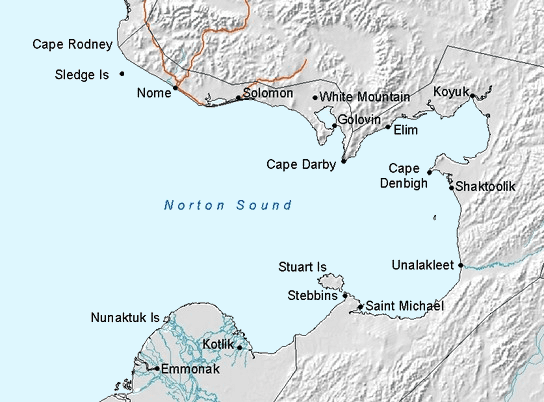
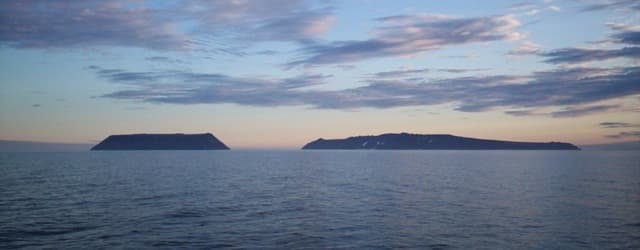
Sledge Island sits in the Bering Sea roughly 20 miles southwest of Nome, providing a rare chance to experience untouched coastal tundra and rocky shores in one of Alaska’s most remote corners. The island’s isolation has preserved its natural character, making it a destination for those seeking quiet wildlife viewing rather than developed trails or facilities. Visitors often come to observe marine mammals and migratory birds that thrive in the surrounding waters of the Bering Land Bridge region.
Getting There
Access requires arranging a boat charter from Nome, the nearest hub with an airport and road connections via the Alaska Marine Highway or seasonal air service. The crossing can take two to four hours depending on weather and vessel, and operators familiar with local conditions are essential. No public ferry or scheduled service exists, so independent travel by kayak or personal craft is strongly discouraged due to strong currents and sudden fog.
Best Time to Visit
July and August offer the most favorable window, when daylight is long, sea ice has retreated, and nesting seabirds are active. Earlier or later visits risk pack ice or rough seas, while winter travel is impractical without specialized equipment and local support.
Things to See and Do
Once ashore, activities center on hiking the island’s low ridges and rocky beaches for panoramic views of the Bering Sea. Birdwatchers can spot species such as murres, kittiwakes, and puffins along the cliffs. Marine mammal sightings may include seals and occasionally walruses hauled out on nearby ice floes or sandbars. The island’s history includes use by Inupiaq people for hunting and tool-making, with scattered artifacts occasionally visible but best left undisturbed. Camping is possible with proper preparation, though no services or shelters exist.
Nearby Attractions
Return trips often combine with time in Nome itself, where visitors can explore gold rush heritage sites, the Carrie M. McLain Memorial Museum, and the Iditarod Trail. The broader Bering Land Bridge National Preserve lies to the north and east, offering additional tundra hiking and paleontological points of interest accessible by road or air taxi from Nome.