Why Spruce Island Stands Out
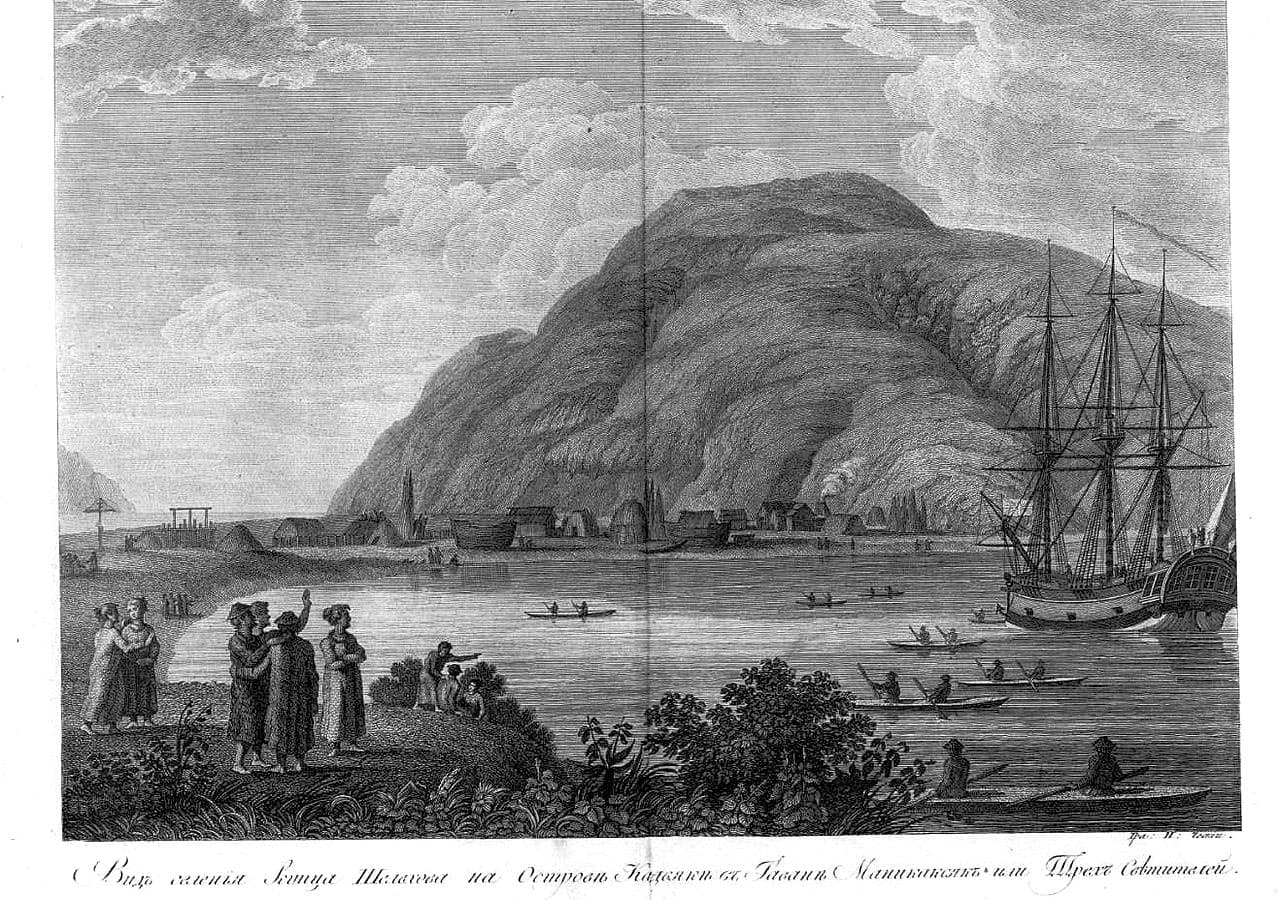
Spruce Island offers visitors a rare combination of untouched coastal forest and deep Russian Orthodox history within the Kodiak archipelago. The island’s dense spruce and hemlock stands shelter black-tailed deer and nesting seabirds, while its rocky shores host sea otters and occasional brown bears foraging at low tide. Its most distinctive feature is Monk’s Lagoon, the former hermitage of St. Herman, whose simple chapel and gravesite continue to draw pilgrims and curious travelers alike.
Getting There
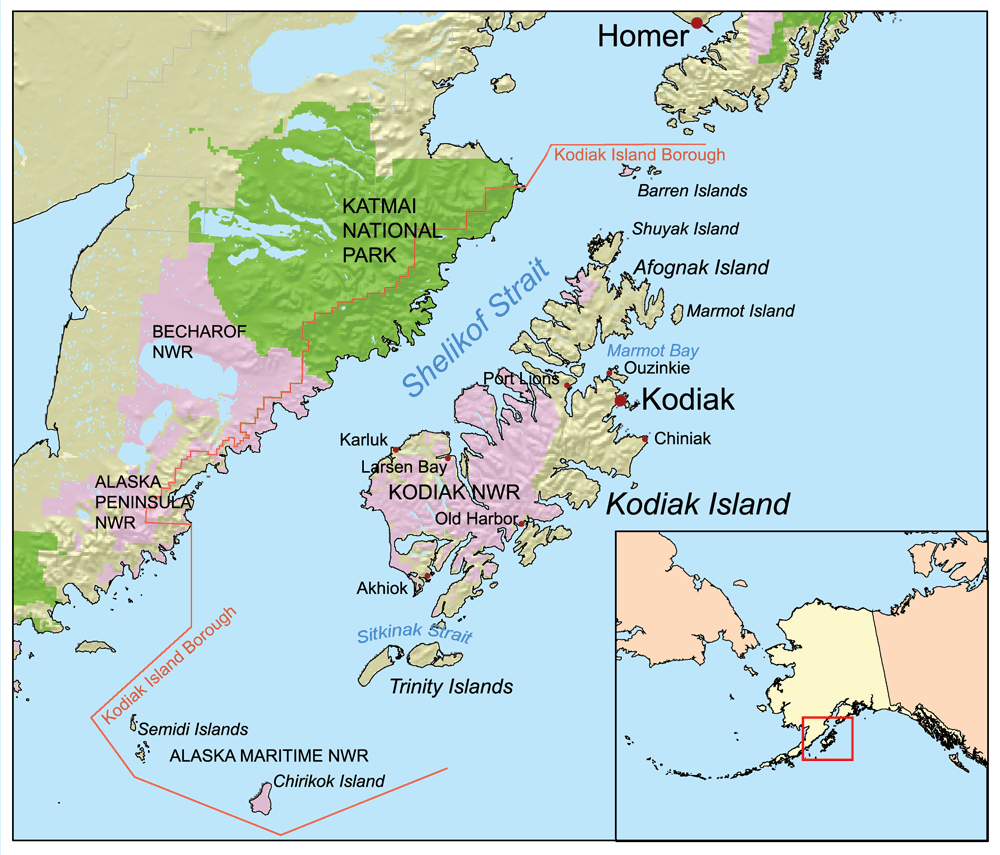
Access begins on Kodiak Island. Most visitors charter a water taxi or small boat from the city of Kodiak for the roughly 20-mile crossing to Spruce Island’s sheltered coves; floatplane operators also provide drop-offs at gravel beaches when weather permits. No scheduled ferry serves the island, so arrangements must be made in advance with local operators familiar with tides and weather windows.
Things to See and Do
Trails lead from landing beaches through mossy forest to Monk’s Lagoon, where visitors can view the wooden chapel and the saint’s memorial cross. Kayakers and stand-up paddlers explore the protected waters around the island’s western side, often spotting harbor seals and bald eagles. Beachcombing at low tide reveals colorful starfish and anemones, while short hikes to interior lakes offer chances to observe spawning salmon in late summer. Overnight stays require permits from the Russian Orthodox Church in Alaska, which maintains limited facilities for respectful guests.
Best Time to Visit
June through early September brings the mildest temperatures and longest daylight for hiking and paddling. July and August coincide with peak salmon runs that attract both wildlife and anglers. Shoulder months of May and September can offer solitude but increase the chance of rain and cooler winds. Winter visits are rare due to frequent storms and limited daylight.
Nearby Attractions
After a day on Spruce Island, many travelers return to Kodiak Island to visit the Alutiiq Museum or explore Fort Abercrombie State Historic Park. The nearby waters of Marmot Bay provide excellent opportunities for additional wildlife cruises focused on whales and puffins.