Why Shuyak Island Stands Out
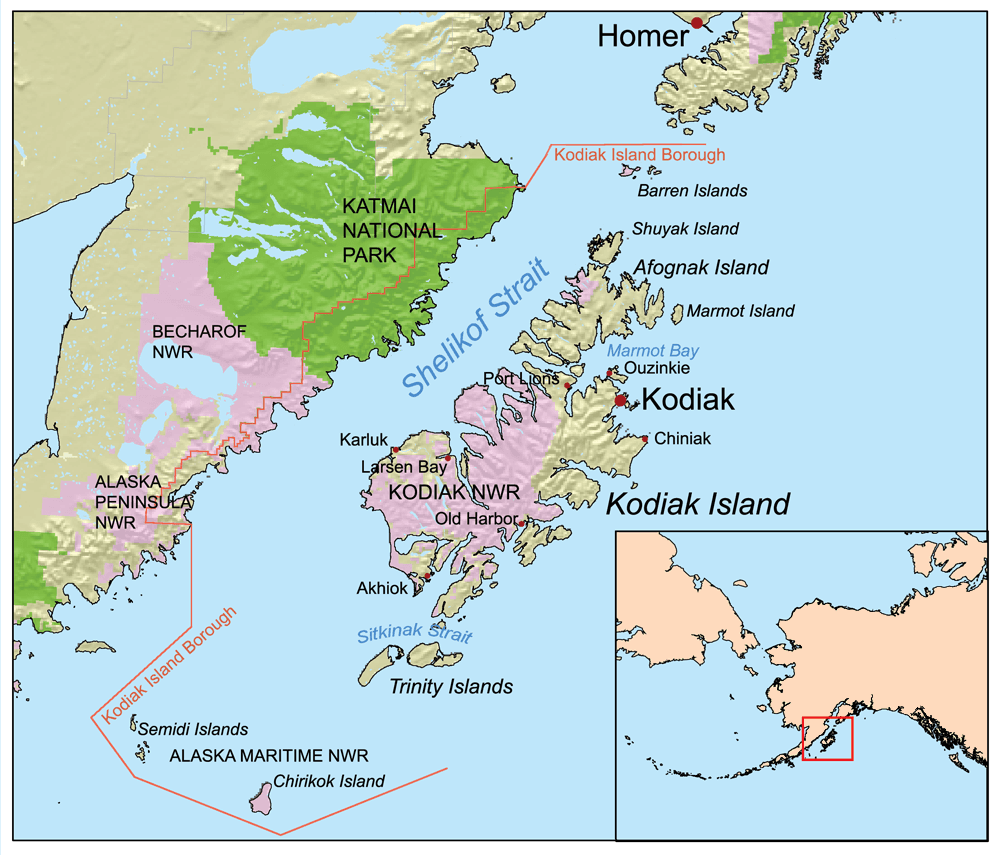
Shuyak Island lies at the northern edge of the Kodiak Archipelago, offering one of Alaska’s most secluded coastal experiences. Nearly the entire island forms Shuyak Island State Park, protecting spruce forests, peat bogs, sheltered bays, and dramatic headlands. Visitors come for the sense of true isolation, with no roads, few trails, and minimal infrastructure, making every outing feel like a genuine expedition.
How to Reach the Island
Most travelers fly into Kodiak on the main island, then arrange transport by floatplane or boat. Air taxis provide the fastest option, landing on the protected waters of Big Bay or other coves. Boaters must navigate the often-rough Shelikof Strait, so local knowledge of tides and weather is essential. Once on Shuyak, movement is by kayak, foot, or small skiff.
Activities and Wildlife
Sea kayaking ranks as the premier pursuit, with calm inner passages such as the Shuyak Straits offering protected paddling amid sea otters, harbor seals, and occasional orcas. Brown bears frequent the salmon streams, especially in late summer. Anglers target halibut and rockfish from shore or boat, while hikers follow informal routes through mossy spruce stands to coastal meadows. Birders watch for puffins, kittiwakes, and bald eagles along the cliffs.
Camping and Self-Reliance
Primitive campsites sit near the water at Big Bay and other landings. All visitors must practice strict Leave No Trace principles and carry bear-resistant containers. Fresh water is available from streams but requires treatment. Cell service is absent, so satellite communicators are standard safety equipment.
Best Time to Visit
June through early September brings the longest days and mildest temperatures, though rain can fall any day. July and August offer peak salmon runs that draw both fish and bears. Shoulder months of May and September provide fewer visitors but higher chances of storms. Winter travel is possible only for experienced expeditions equipped for heavy snow and short daylight.
Exploring the Broader Kodiak Region
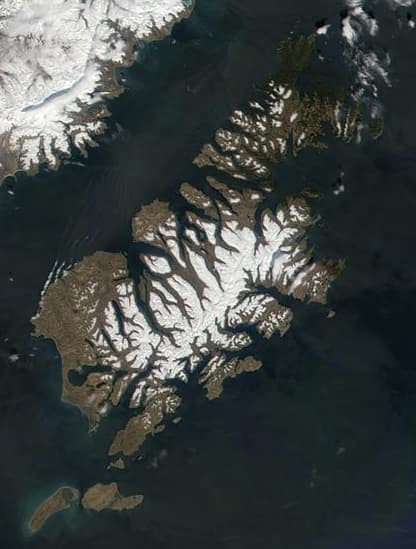
After Shuyak, many travelers continue to Afognak Island for its larger old-growth forests or return to Kodiak Island to visit the Alutiiq Museum and sample fresh seafood. The entire archipelago shares the same wild character, with Shuyak serving as the quiet northern anchor.