Skip to content
Plan & Tour
DestinationsItinerariesTravel BlogAboutContact
0Sign inPlan a trip
Plan & TourPlan & Tour

Travel guides, destination inspiration and curated itineraries for Canada, the USA and beyond, plus a free tool to plan your own day-by-day trip.

Get travel inspiration

Explore

  • All Destinations
  • Curated Itineraries
  • Travel Blog
  • Plan a Trip

Topics

  • Hiking & Nature
  • Food & Drink
  • City Breaks
  • Budget Travel

Company

  • About Us
  • Contact
  • Privacy Policy
  • Terms of Service

© 2026 Plan & Tour. Built for travellers.

Discover the world, one trip at a time.

Seguam Island: Remote Wilderness in Alaska’s Aleutian Chain
  1. Home
  2. Destinations
  3. Aleutians West Census Area
  4. Seguam Island: Remote Wilderness in Alaska’s Aleutian Chain
Island

Seguam Island: Remote Wilderness in Alaska’s Aleutian Chain

This uninhabited volcanic island delivers dramatic landscapes, seabird colonies, and true off-grid adventure for prepared travelers.

Aleutians West Census AreaUpdated 14 August 2026

Why Visit Seguam Island

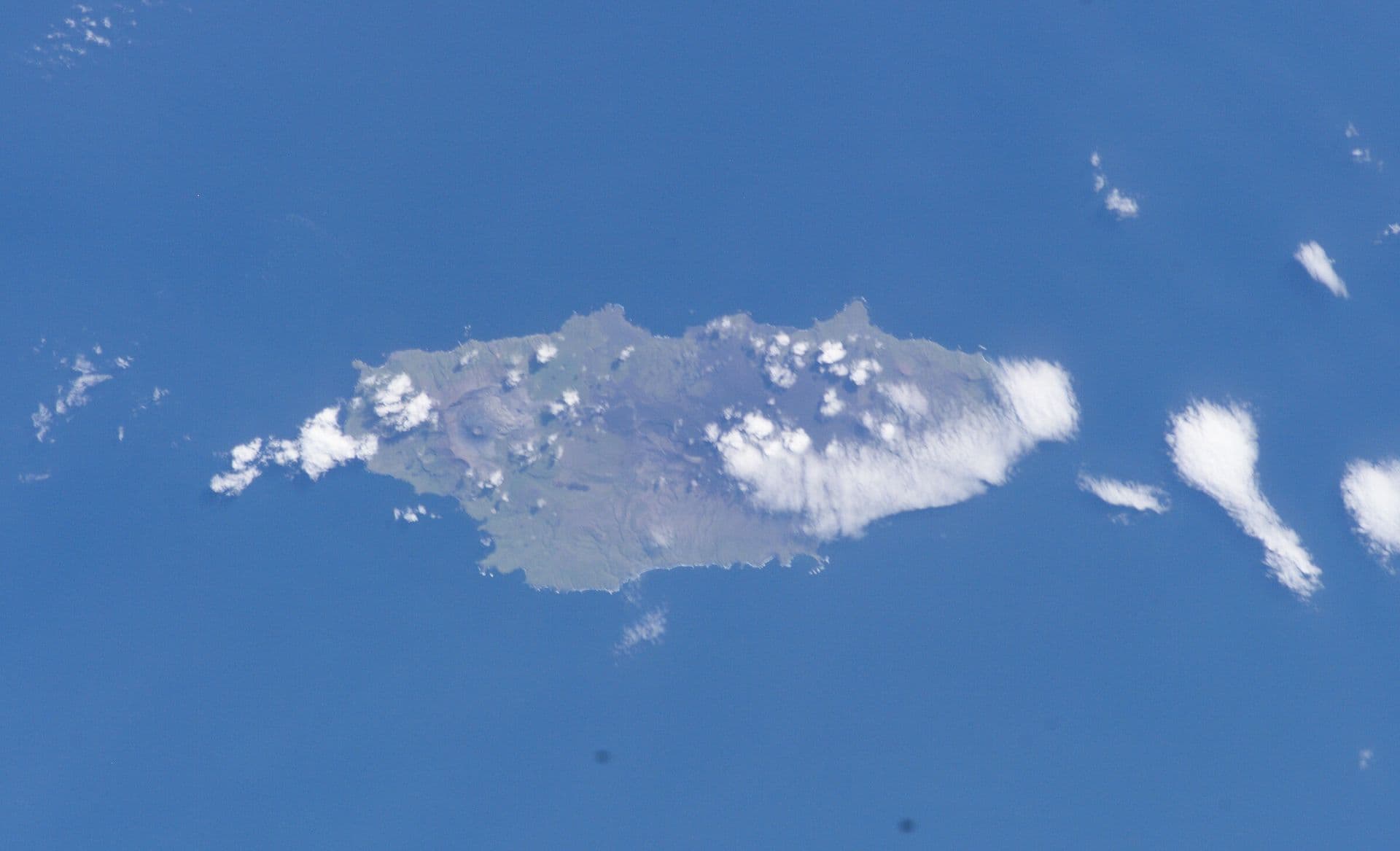
Seguam Island sits in the central Aleutians, a jagged volcanic remnant shaped by centuries of eruptions and relentless North Pacific weather. Its steep cliffs, crater lakes, and tundra-covered slopes remain almost untouched by humans, offering a rare glimpse of Alaska’s wild maritime ecosystem. Visitors come for solitude, dramatic scenery, and concentrated wildlife rather than any developed attractions.

What to See and Do

Wildlife Watching

Millions of seabirds nest along the sheer coastal cliffs each summer, including auklets, puffins, murres, and kittiwakes. Harbor seals haul out on rocky shores, and sea otters raft in kelp beds. With no roads or settlements, sightings feel intimate and uninterrupted.

Hiking and Exploration

Well-defined animal trails and open tundra allow cross-country travel between the island’s two main volcanoes. Hikers can reach crater rims for sweeping ocean views, though fog and sudden wind shifts demand constant navigation awareness. Beachcombing yields volcanic rock, driftwood, and occasional Japanese fishing floats.

Photography and Nature Study

The island’s stark geology and ever-changing light create compelling subjects. Photographers should pack extra batteries and weather-sealed gear; long lenses help capture distant marine mammals without disturbance.

Getting There

Commercial flights reach nearby Adak or Dutch Harbor. From those hubs, charter boats or floatplanes provide the final leg; landings depend on weather and sea conditions. Independent travelers must arrange all logistics in advance and file float plans with local authorities.

Best Time to Visit

June through early September offers the longest daylight, mildest temperatures, and peak seabird activity. Winter brings extreme storms and near-constant darkness, making access nearly impossible. Shoulder months of May and late September can work for experienced expedition-style visitors willing to accept higher risk.

Nearby Attractions

The broader Alaska Maritime National Wildlife Refuge encompasses dozens of neighboring islands. Multi-island boat charters often combine Seguam with Amlia or Atka for extended wildlife surveys. The historic World War II sites on Adak provide cultural context before or after a remote island trip.

Visitor tips

  • Pack all food, fuel, and shelter; the island has zero services or fresh water sources beyond small streams that may run dry.
  • File a detailed trip plan with the Alaska State Troopers or Coast Guard and carry a satellite communicator for emergencies.
  • Travel with at least one companion experienced in cold-water and volcanic terrain; solo travel here carries extreme risk.

Frequently asked questions

Is Seguam Island inhabited?+

No permanent residents live on Seguam. The island remains uninhabited year-round, though occasional research teams or subsistence hunters visit briefly.

Do I need a permit to visit Seguam Island?+

No general public permit is required for land access, but boat or floatplane charters must comply with refuge regulations and file necessary notifications with the U.S. Fish and Wildlife Service.

What kind of weather should I expect?+

Expect frequent fog, sudden wind shifts, and temperatures rarely above 55 u00b0F even in summer. Rain or snow can occur any month; layered waterproof clothing is essential.

Are there any trails or facilities on the island?+

There are no maintained trails, cabins, or campsites. Visitors hike cross-country on animal paths and must be fully self-sufficient with tents and stoves.

How long should I plan to stay?+

Most visitors spend three to seven days to allow for weather delays and thorough exploration. Shorter trips are possible but risky given frequent flight and boat cancellations.

Share
Google Maps Apple Maps Directions

Image: NASA · Public domain · via Wikimedia Commons

Keep reading

Nearby & related

All stories
Mount Amukta: Remote Volcanic Wilderness in Alaska’s Aleutian Islands
Aleutians West Census Area

Mount Amukta: Remote Volcanic Wilderness in Alaska’s Aleutian Islands

An isolated stratovolcano offering dramatic landscapes and true wilderness for experienced adventurers.

14 August 2026
Buldir Island: Remote Aleutian Wilderness for Serious Wildlife Seekers
Aleutians West Census Area

Buldir Island: Remote Aleutian Wilderness for Serious Wildlife Seekers

Discover Alaska’s most isolated island refuge, home to massive seabird colonies and untouched volcanic landscapes.

14 August 2026
Yunaska Island: Remote Wilderness in Alaska’s Aleutian Chain
Aleutians West Census Area

Yunaska Island: Remote Wilderness in Alaska’s Aleutian Chain

A volcanic outpost offering exceptional seabird colonies and marine mammal viewing in one of North America’s most…

14 August 2026