Why Visit Amlia Island
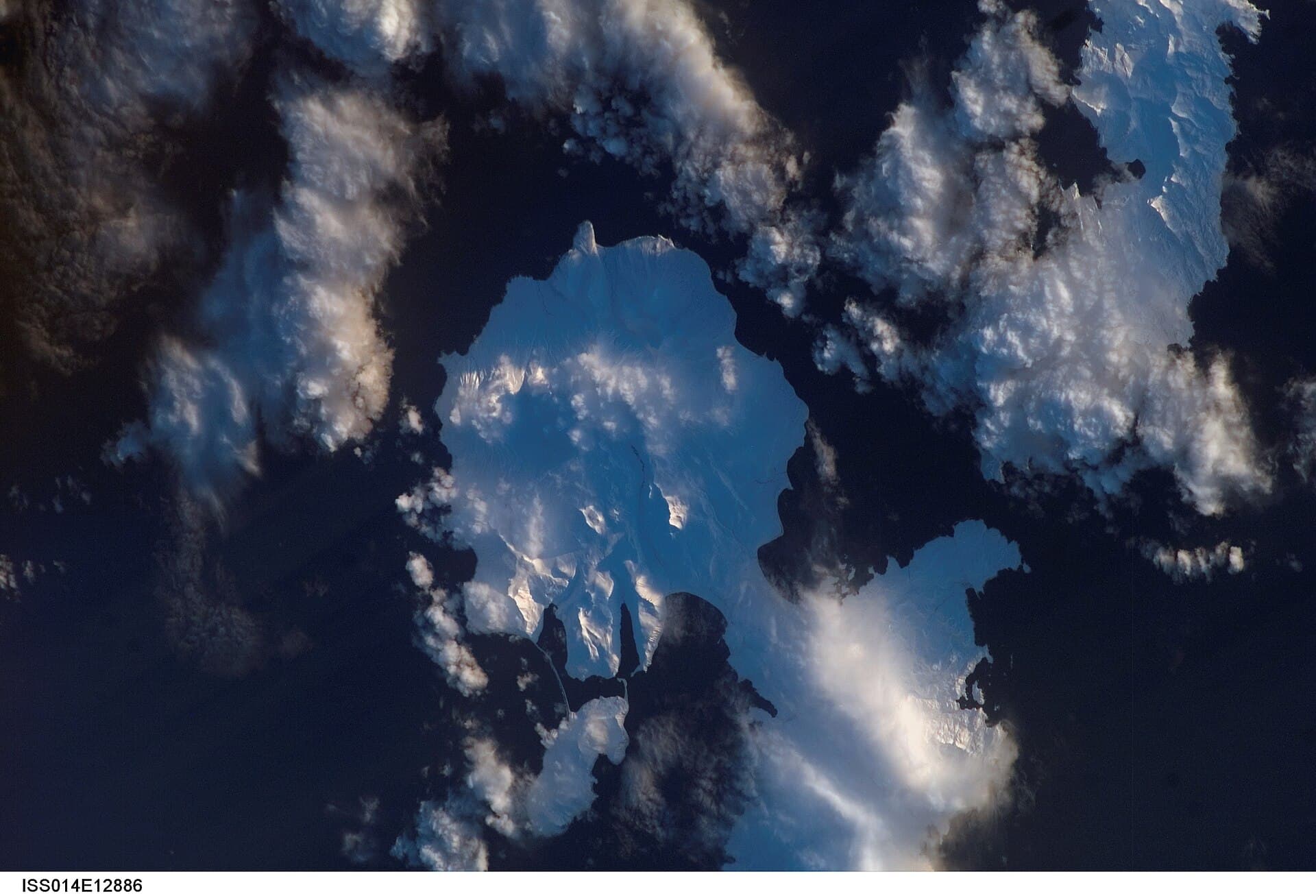
Amlia lies in the central Aleutian Islands of Alaska, a narrow, mountainous landmass surrounded by cold North Pacific waters. Its remote location within the Alaska Maritime National Wildlife Refuge protects vast seabird colonies, marine mammal haul-outs, and volcanic landscapes shaped by frequent storms and tectonic activity. Travelers seeking true wilderness find few places in the United States as untouched.
Getting There
Access requires careful planning. Most visitors fly into Adak or Atka via scheduled air service from Anchorage, then continue by chartered boat or floatplane. Sea conditions in the Aleutians change rapidly, so schedules remain flexible. No roads or regular ferry service exist on Amlia itself; landings occur at sheltered bays where small craft can approach the rocky shoreline.
Best Time to Visit
July and August offer the longest daylight, calmest seas, and peak seabird nesting activity. Winter travel is possible but limited by darkness, high winds, and ice. Shoulder months of June and September can work for experienced groups, though fog and rain remain constant companions year-round.
What to See and Do
Wildlife viewing dominates any itinerary. Northern fur seals, Steller sea lions, and harbor seals haul out on beaches, while sea otters raft in kelp beds. Birders seek tufted puffins, least auklets, and black-legged kittiwakes along sheer cliffs. Inland, hikers follow caribou trails across tundra meadows dotted with wildflowers in summer. Remnants of World War II-era structures appear near former military sites, offering quiet historical context without modern development.
Practical Considerations for Activities
- Pack binoculars, waterproof layers, and sturdy boots for uneven terrain and sudden weather shifts.
- Travel with a licensed guide or well-equipped expedition team; cell service is nonexistent and rescue response times are long.
- Practice Leave No Trace principles—camp only on durable surfaces and pack out all waste.
Nearby Destinations
Combine a trip with stops at neighboring islands such as Atka for hot springs or Adak for its abandoned military infrastructure and salmon streams. These nearby locations share the same dramatic volcanic scenery and rich marine life that define the central Aleutians.