Why the Saja River Stands Out
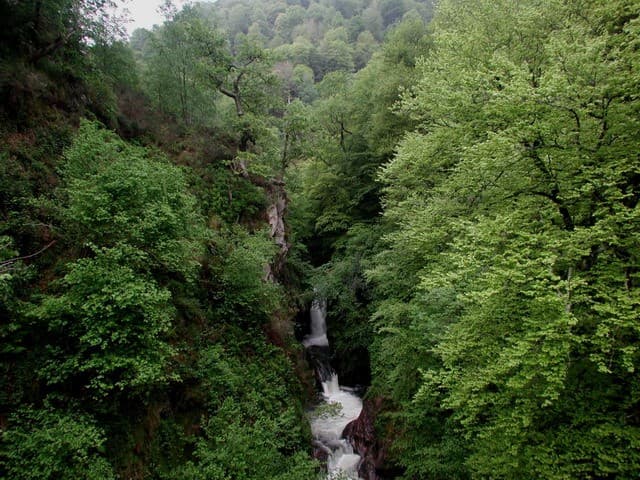
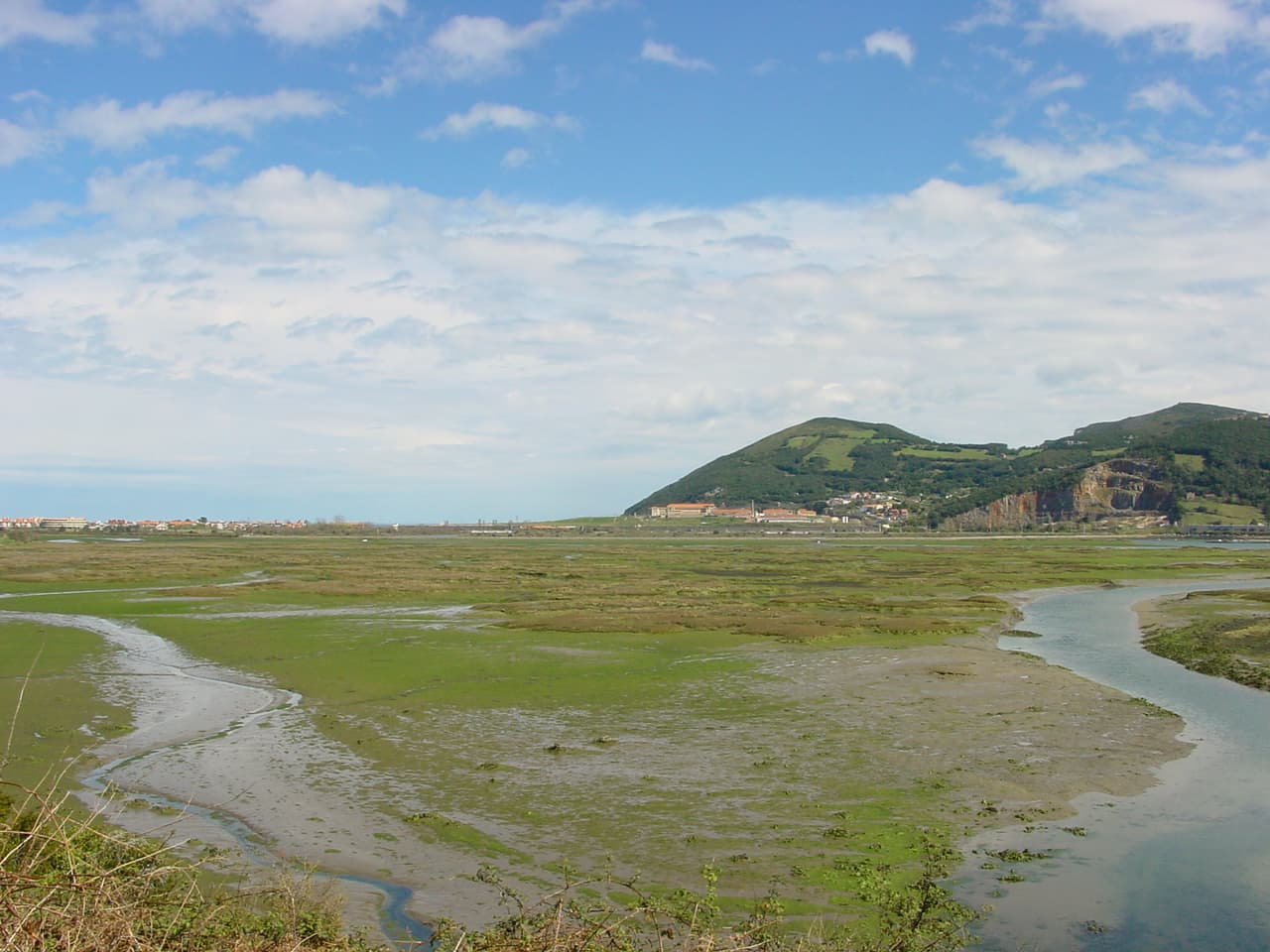
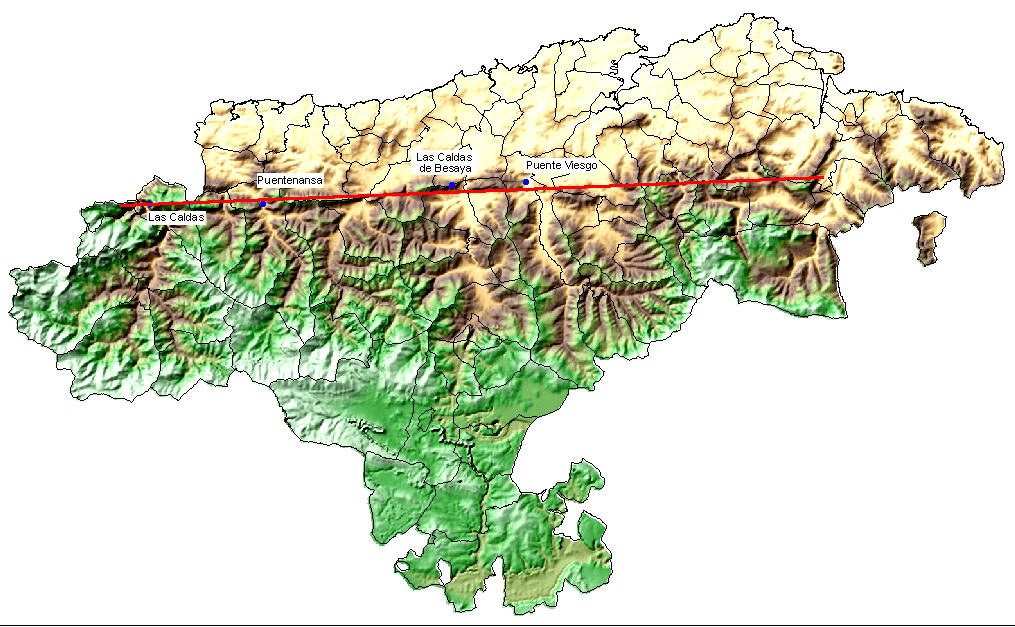
The Saja River carves through western Cantabria, flowing from the Cantabrian Mountains toward the coast near San Vicente de la Barquera. Its clear waters and surrounding beech and oak forests create one of the region’s most intact natural corridors, protected within the Saja Biosphere Reserve. Visitors come for the sense of remoteness rarely found so close to the sea.
Things to See and Do
Riverside Walks and Hiking
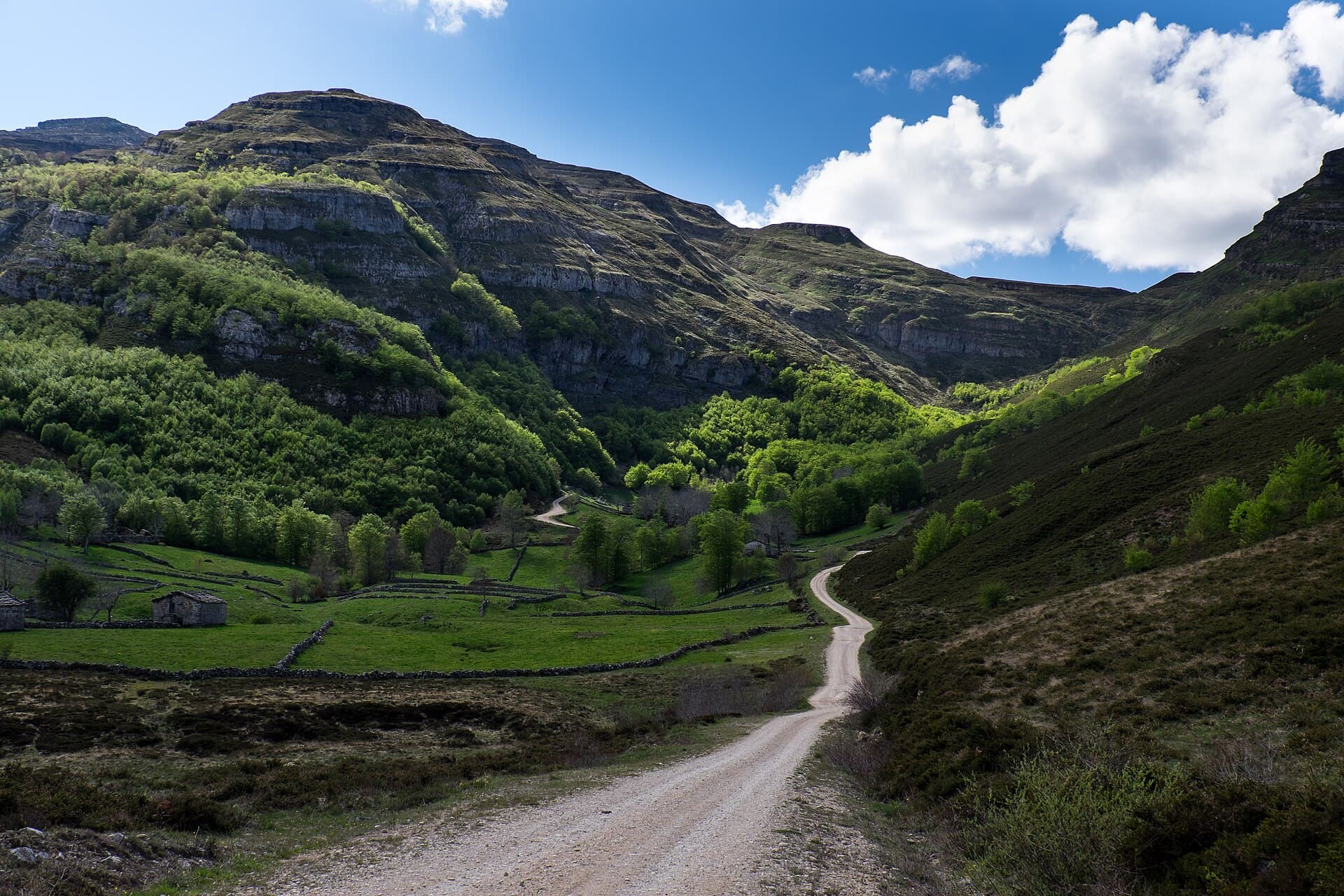
Marked trails follow the river from the village of Saja upstream toward the headwaters. The path passes limestone cliffs and ancient stone bridges, offering frequent views of the water tumbling over smooth boulders. Shorter loops suit families; longer routes reach high meadows in a few hours.
Fishing and Wildlife
Local anglers target brown trout and occasional salmon in designated beats. Early morning or late evening visits increase chances of spotting otters, kingfishers, and deer coming to drink. Bring binoculars and keep distance from the banks to avoid disturbing wildlife.
Photography and Picnics
Shaded gravel bars and wooden footbridges provide ideal spots for quiet picnics. Autumn brings striking color to the surrounding beech woods, while spring wildflowers line the lower meadows.
How to Get There
The river is best reached by car from Santander via the A-8 motorway, exiting toward Torrelavega and then following the CA-182 west. Several small parking areas sit beside the river near the hamlets of Saja and Valle de Cabuérniga. Public buses run to nearby Cabezón de la Sal, from where a short taxi or local connection reaches trailheads.
Best Time to Visit
Late spring through early autumn offers the most comfortable conditions for walking and fishing. Water levels remain steady after snowmelt but before heavy autumn rains. Winter visits are possible for hardy hikers seeking empty trails and dramatic light, though some paths can become muddy.
Nearby Places Worth Combining
Combine a river day with the coastal town of San Vicente de la Barquera, the medieval streets of Santillana del Mar, or the higher peaks of the Picos de Europa, all within an hour’s drive.