Why Visit Sierra del Escudo de Cabuérniga
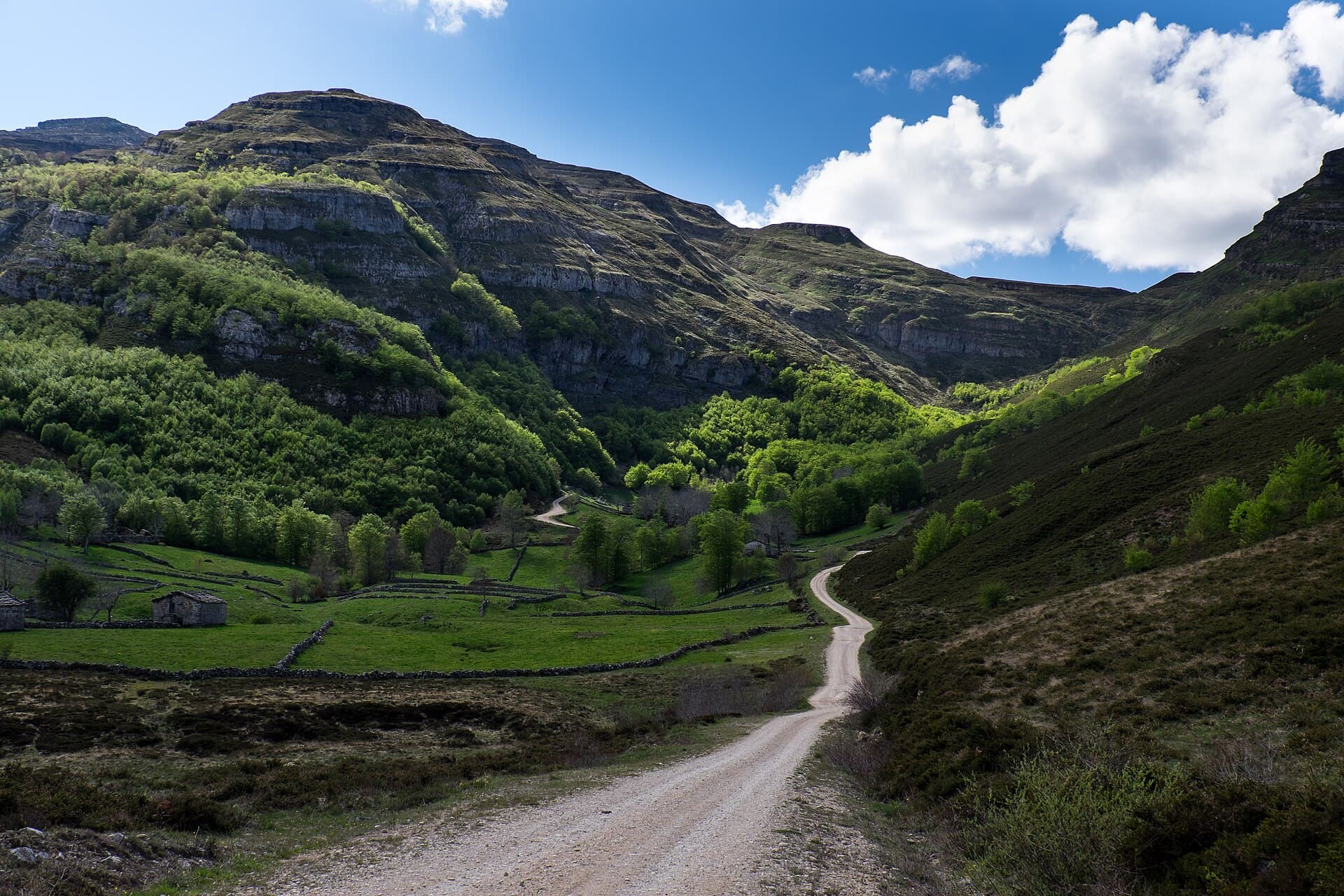
This protected mountain range forms a dramatic limestone escarpment that separates the inland valleys of Cantabria from the coastal plain. Its beech woods, karst outcrops and open pastures support a rich mix of Cantabrian wildlife while offering long views toward the Picos de Europa on clear days.
Things to See and Do
Hiking the Main Ridges
Well-marked trails climb from valley villages through mixed woodland to the high meadows. The most popular route follows the old drovers’ path along the crest, passing limestone pavements and small sinkholes. Shorter loops suit half-day walks; longer traverses link to the Saja Biosphere Reserve.
Wildlife Watching
Look for griffon vultures circling the cliffs, roe deer in the beech groves and occasional sightings of Cantabrian chamois on the higher slopes. Spring brings displays of wild daffodils and orchids in the clearings.
Traditional Villages
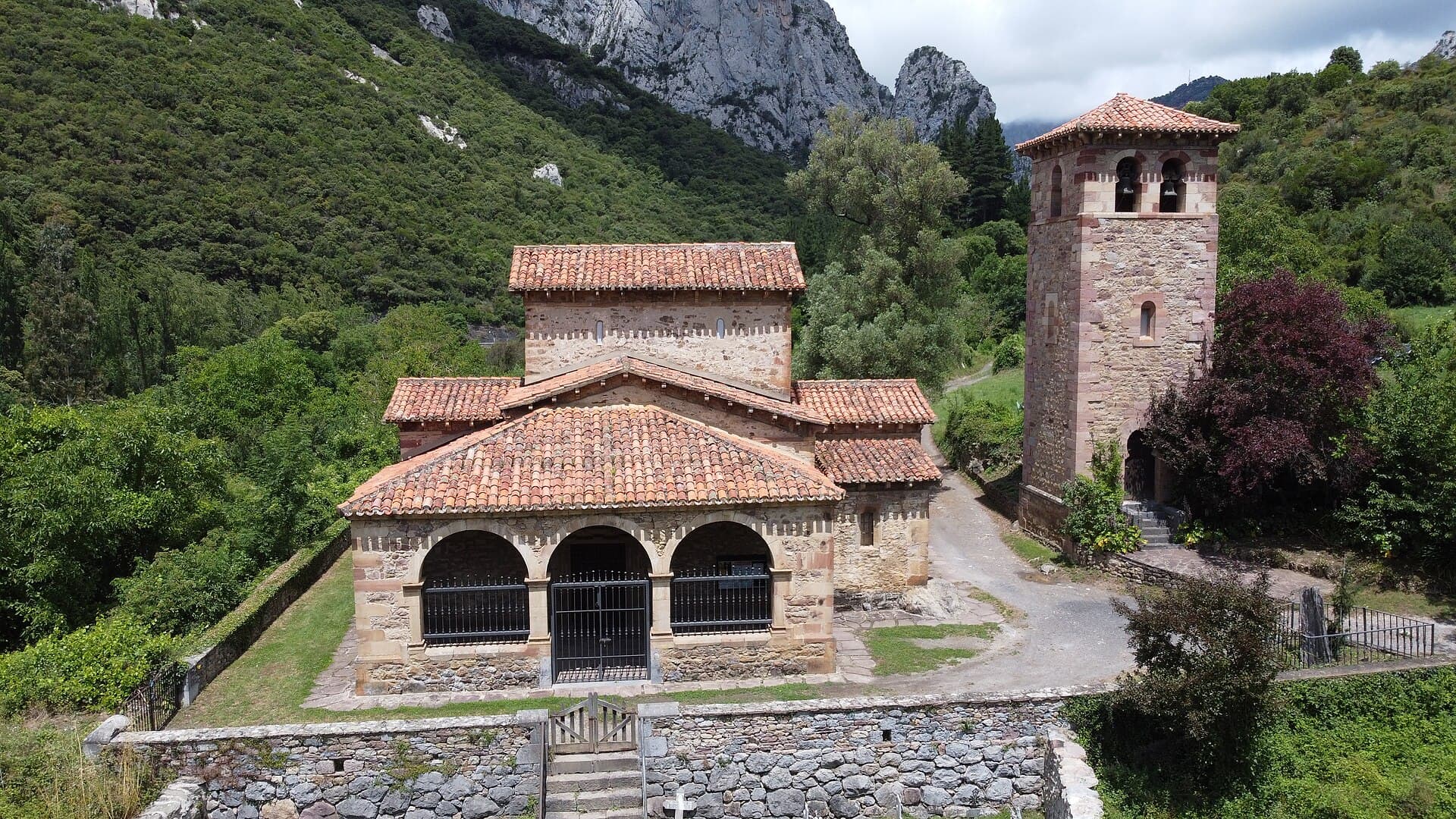
Base yourself in Cabuérniga or the stone hamlets along the Río Saja. These settlements preserve Cantabrian mountain architecture and offer simple meals of local cheese and river trout.
How to Get There
The range is reached by car via the N-611 highway between Santander and Reinosa. Several signed forest tracks lead uphill from the main road; parking areas sit at the main trailheads. Public buses stop in the valley villages, but visitors usually combine them with taxis or bicycles for the final ascent.
Best Time to Visit
Late spring through early autumn provides the most reliable weather for walking. Snow can linger on north-facing slopes into May, while summer brings cooler temperatures than the coast. Autumn colours in the beech woods are spectacular but short-lived.
Nearby Attractions
Combine a visit with the Saja Valley to the south, the coastal towns of San Vicente de la Barquera and Comillas to the north, or the historic monastery at Santo Toribio de Liébana farther west.