Skip to content
Plan & Tour
DestinationsItinerariesTravel BlogAboutContact
0Sign inPlan a trip
Plan & TourPlan & Tour

Travel guides, destination inspiration and curated itineraries for Canada, the USA and beyond, plus a free tool to plan your own day-by-day trip.

Get travel inspiration

Explore

  • All Destinations
  • Curated Itineraries
  • Travel Blog
  • Plan a Trip

Topics

  • Hiking & Nature
  • Food & Drink
  • City Breaks
  • Budget Travel

Company

  • About Us
  • Contact
  • Privacy Policy
  • Terms of Service

© 2026 Plan & Tour. Built for travellers.

Discover the world, one trip at a time.

Santoña, Victoria and Joyel Marshes Natural Park: Birdwatching and Coastal Wetlands in Cantabria
  1. Home
  2. Destinations
  3. Cantabria
  4. Santoña, Victoria and Joyel Marshes Natural Park: Birdwatching and Coastal Wetlands in Cantabria
Protected area

Santoña, Victoria and Joyel Marshes Natural Park: Birdwatching and Coastal Wetlands in Cantabria

This protected estuary system in northern Spain delivers exceptional year-round birdlife and quiet trails amid tidal marshes and Atlantic shores.

CantabriaUpdated 8 November 2026

Why Visit Santoña, Victoria and Joyel Marshes Natural Park

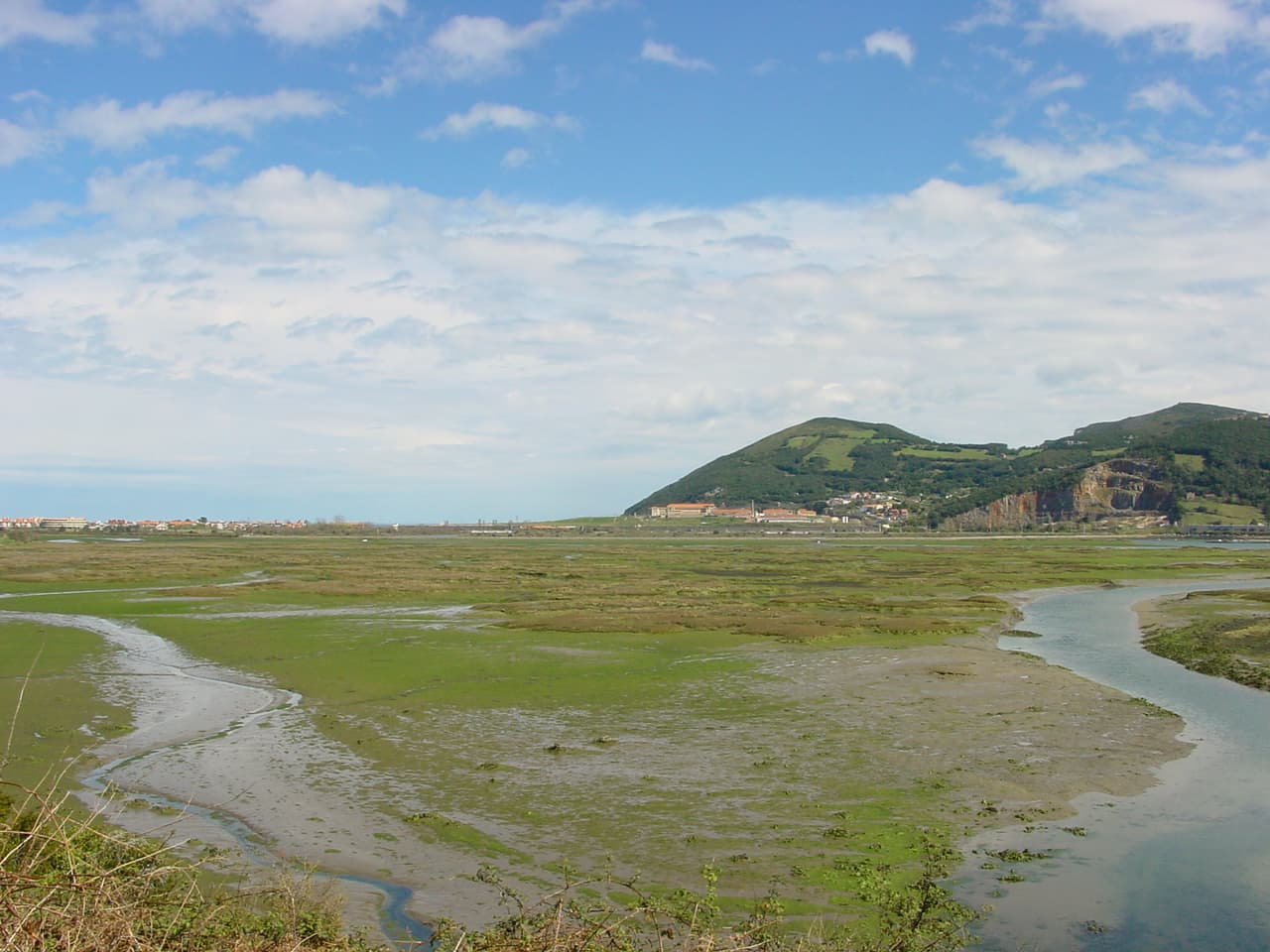
This 6,500-hectare wetland complex protects one of Cantabria’s most important coastal ecosystems, where three estuaries meet the Bay of Biscay. The park stands out for its role as a key stopover on the East Atlantic Flyway, drawing tens of thousands of migratory waterbirds each season. Visitors come for the combination of accessible trails, rich biodiversity and the chance to experience a working coastal landscape that includes shellfish beds, salt marshes and low dunes.

What to See and Do

Begin at the Santoña estuary, the largest section, where boardwalks and paths circle the bay and offer close views of feeding flocks. Look for spoonbills, grey herons, little egrets and, in winter, thousands of wigeon and teal. The Victoria marsh adds quieter inland channels lined with reeds and tamarisk, good for reed warblers and bluethroats. Joyel marsh, smaller and more enclosed, provides excellent vantage points from the surrounding low hills.

Marked trails range from short family-friendly loops to longer routes that link the three marshes. Many paths are flat and suitable for cycling. In summer the adjacent beaches of San Miguel and Berria offer swimming after a morning of birdwatching. Local fishermen still harvest clams and mussels at low tide; watching the traditional activity adds cultural interest.

Getting There

The park lies roughly 40 km east of Santander. Drivers can reach the main access points via the A-8 motorway, exiting at Colindres or Laredo and following local roads to Santoña or Argoños. Regional buses run from Santander to Santoña and Laredo several times daily. Once inside the park, a network of small roads and signposted parking areas allows exploration by car or bicycle; distances between sites are short.

Best Time to Visit

Peak bird numbers occur from October to March, when northern European migrants swell the resident population. Spring and autumn passages bring scarcer species such as osprey and black tern. Summer is quieter for birds but pleasant for walking and beach time, while the mild Atlantic climate keeps trails usable most of the year. Early morning or late afternoon visits minimise disturbance to wildlife and provide the best light for photography.

Nearby Attractions

Combine a park visit with the historic fishing port of Santoña, known for its anchovy canneries and hilltop fort. The beaches of Laredo and the medieval streets of Castro Urdiales lie within a short drive. Inland, the rolling hills of the Asón valley offer easy hiking and cave visits for those wanting a change from coastal scenery.

Visitor tips

  • Bring binoculars or a spotting scope; many birds remain at distance across the open water.
  • Check tide tables before walking the lower paths, as some routes flood at high water.
  • Wear sturdy waterproof footwear; trails can be muddy after rain or near the shore.

Frequently asked questions

Is Santou00f1a, Victoria and Joyel Marshes Natural Park good for beginners to birdwatching?+

Yes. The main trails are flat, well signed and pass several observation hides, making it easy to spot common species without specialist knowledge.

Can I visit the marshes without a car?+

Public buses reach Santou00f1a and Laredo; from there local paths and a few taxis allow access to the main entry points, though having your own transport gives more flexibility between sites.

Are there any restrictions on activities inside the park?+

Motorised boats are limited, dogs must stay on leads, and visitors should remain on marked paths to protect nesting areas and shellfish beds.

What should I pack for a day at the marshes?+

Layered clothing for changeable weather, rain protection, binoculars, water and a picnic; there are few facilities once you leave the nearby towns.

How long do most people spend in the park?+

Half a day covers the main trails around Santou00f1a and Victoria; a full day lets you explore Joyel and combine the visit with a beach stop.

Share
Google Maps Apple Maps Directions

Image: Lourdes Cardenal · CC BY-SA 3.0 · via Wikimedia Commons

Keep reading

Nearby & related

All stories
Castro Valnera: Summit Hikes and Panoramic Views in Cantabria
Cantabria

Castro Valnera: Summit Hikes and Panoramic Views in Cantabria

Climb the prominent peak of Castro Valnera for sweeping vistas across the Cantabrian Mountains and northern Spain’s…

8 November 2026
Sierra del Escudo de Cabuérniga: Hiking the Protected Mountains of Cantabria
Cantabria

Sierra del Escudo de Cabuérniga: Hiking the Protected Mountains of Cantabria

Traverse beech forests and limestone ridges in this quiet natural reserve between the Saja Valley and the coast.

8 November 2026
Church of Santa María de Lebeña: Cantabria’s 10th-Century Romanesque Treasure
Cillorigo de Liébana

Church of Santa María de Lebeña: Cantabria’s 10th-Century Romanesque Treasure

Discover the serene beauty and rare pre-Romanesque architecture of this historic church nestled in the Liébana valley.

8 November 2026