Skip to content
Plan & Tour
DestinationsItinerariesTravel BlogAboutContact
0Sign inPlan a trip
Plan & TourPlan & Tour

Travel guides, destination inspiration and curated itineraries for Canada, the USA and beyond, plus a free tool to plan your own day-by-day trip.

Get travel inspiration

Explore

  • All Destinations
  • Curated Itineraries
  • Travel Blog
  • Plan a Trip

Topics

  • Hiking & Nature
  • Food & Drink
  • City Breaks
  • Budget Travel

Company

  • About Us
  • Contact
  • Privacy Policy
  • Terms of Service

© 2026 Plan & Tour. Built for travellers.

Discover the world, one trip at a time.

S
  1. Home
  2. Destinations
  3. Potosí Department
  4. Sabaya River: Bolivia’s Remote Highland Waterway in Potosí
River

Sabaya River: Bolivia’s Remote Highland Waterway in Potosí

Discover the stark Andean beauty and quiet isolation of the Sabaya River in Bolivia's high desert.

Potosí DepartmentUpdated 13 October 2026

Why Visit the Sabaya River

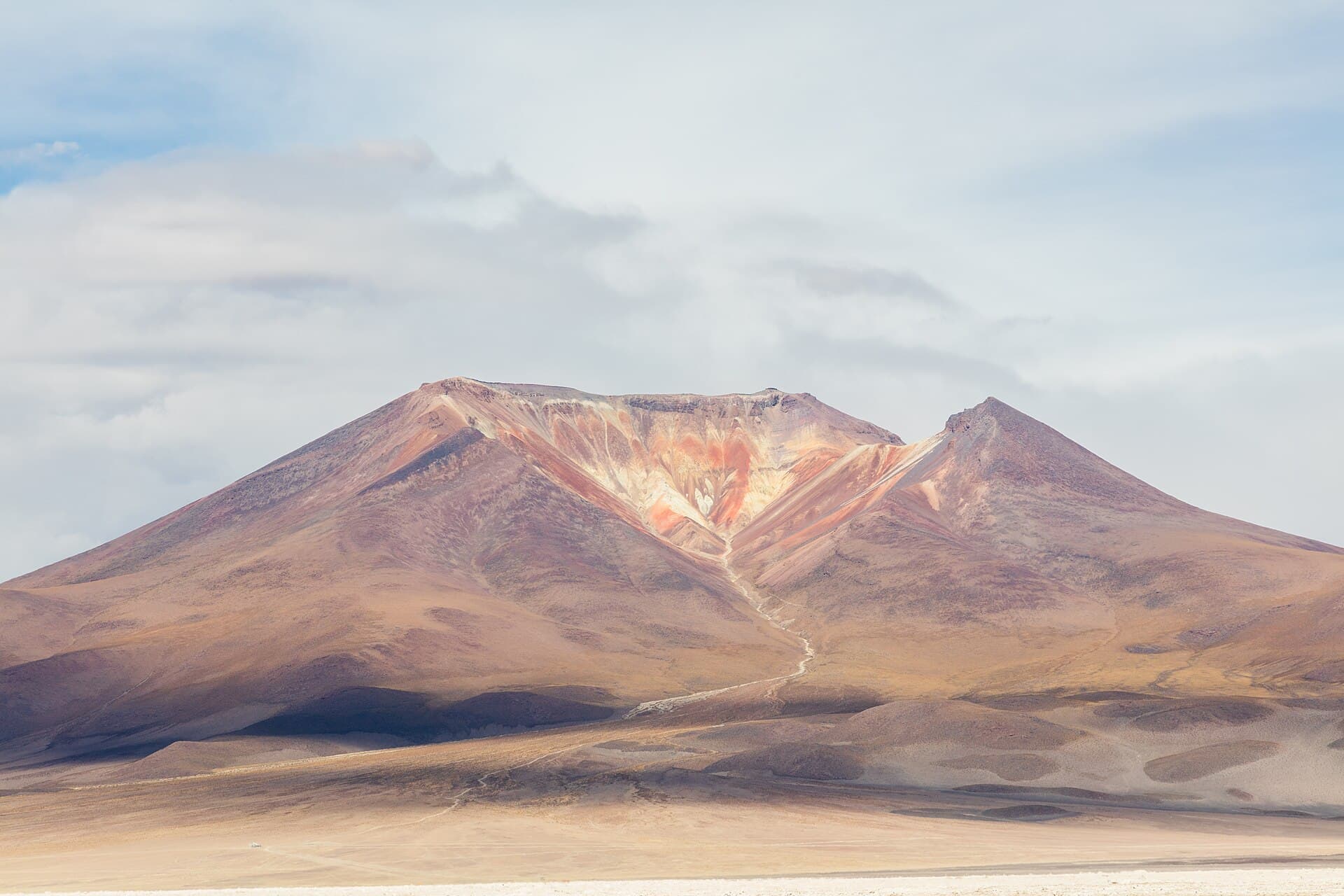
The Sabaya River winds through the arid Altiplano of Potosí Department, offering visitors a rare glimpse of untouched highland Bolivia far from crowded tourist circuits. At roughly 3,800 meters elevation, the river carves a narrow green corridor amid volcanic peaks and salt-crusted plains, supporting hardy vegetation and occasional wildlife such as vicuñas and Andean flamingos. Travelers seeking solitude, dramatic photography, and authentic Aymara cultural encounters find the Sabaya especially rewarding.

What to See and Do

Walk along the riverbanks to observe the contrast between the flowing water and the surrounding lunar landscape. Early morning light reveals mirror-like reflections of distant volcanoes, while late afternoon brings golden tones across the puna grasslands. Birdwatching is rewarding near shallow stretches where migratory species gather. Local guides can point out traditional reed harvesting or explain Aymara irrigation systems still in use today. For those with a vehicle, short drives reveal nearby rock formations and pre-Columbian ruins scattered across the plateau.

Practical Activities

  • Photography hikes along accessible sections of the riverbed
  • Picnics beside the water with views of the Sajama massif on clear days
  • Visits to nearby Aymara communities for textile demonstrations

Getting There

Most visitors reach the Sabaya River by private vehicle or organized tour from Uyuni, roughly four hours northwest via unpaved roads. The route passes through the village of Sabaya, where basic supplies can be purchased. Public transport is limited; shared taxis or buses run irregularly from Oruro or Uyuni to Sabaya town, after which a local transfer or hike is required to reach the river. Four-wheel drive is strongly recommended during the rainy season when tracks become muddy.

Best Time to Visit

The dry season from May to October brings stable weather, clear skies, and passable roads. Temperatures drop sharply at night, so layered clothing is essential. The wet season (November to April) transforms the river into a more dramatic flow but can isolate the area and limit access. Sunrise and sunset visits maximize the dramatic light and minimize wind.

Nearby Attractions

Combine a Sabaya River visit with the vast Salar de Coipasa to the south or the thermal springs near the Chilean border. The region also serves as a gateway to the Sajama National Park, home to Bolivia’s highest peak. Multi-day itineraries often link these sites with stops at volcanic craters and highland lakes.

Visitor tips

  • Carry extra fuel, water, and food; services are minimal beyond Sabaya town.
  • Respect local communities by asking permission before photographing people or entering private land.
  • Acclimatize in Uyuni or Oruro first to reduce altitude-related discomfort.

Frequently asked questions

Can I swim in the Sabaya River?+

The water is cold year-round and currents can be swift in narrow channels; swimming is not recommended.

Are there facilities or lodges near the river?+

No dedicated tourist infrastructure exists along the river itself; visitors stay in Sabaya town or camp with permission.

Is the area safe for solo travelers?+

The region is generally peaceful, but remote travel requires preparation and informing someone of your itinerary.

What wildlife might I see?+

Vicuu00f1as, vizcachas, and flamingos are occasionally spotted; bring binoculars for best viewing.

Do I need a guide?+

A local guide is helpful for cultural context and navigation on unmarked tracks but not strictly required for short riverside walks.

Share
Google Maps Apple Maps Directions

Keep reading

Nearby & related

All stories
L
Potosí Department

Laguna Charcota: Remote Turquoise Lake in Bolivia’s Andean Highlands

Explore the striking high-altitude waters and stark volcanic scenery of Laguna Charcota deep in Potosí Department.

12 October 2026
S
Potosí Department

Silala River: Remote Andean Waters in Bolivia’s Potosí Department

Explore the high-altitude springs and wetlands of the Silala River, a striking natural feature on Bolivia’s border with…

12 October 2026
Cerro Ascotan: Exploring Bolivia’s Remote Andean Volcano
Potosí Department

Cerro Ascotan: Exploring Bolivia’s Remote Andean Volcano

A high-altitude climb through stark altiplano landscapes in Potosí Department offers solitude and sweeping views of…

12 October 2026