Why Visit Cerro Ascotan
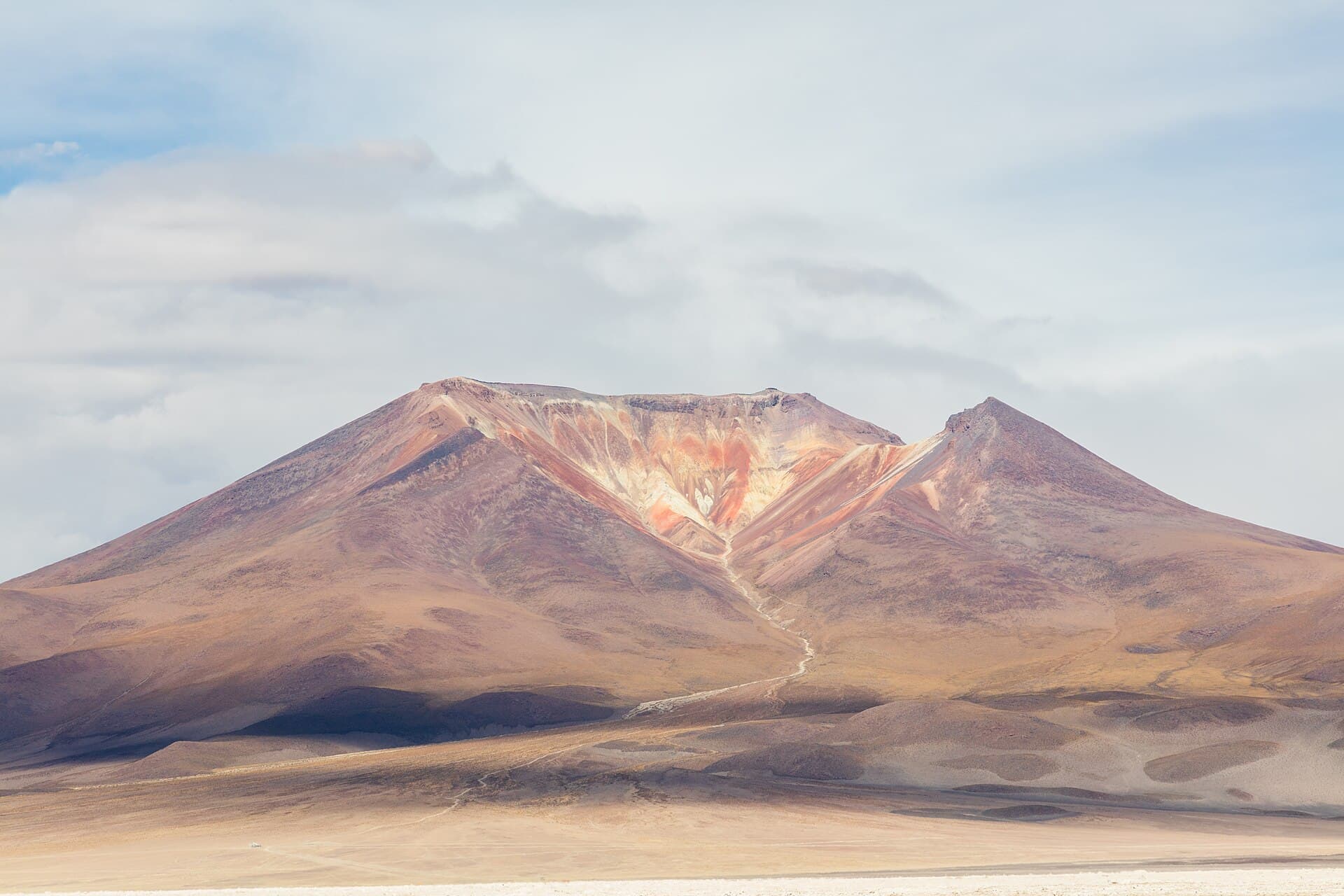
Cerro Ascotan rises above the arid Bolivian altiplano near the Chilean border, offering visitors a rare chance to experience one of the least-visited volcanic peaks in the Andes. Its slopes reveal dramatic contrasts of red volcanic rock, salt-encrusted flats, and distant snow-capped summits. The mountain rewards those who make the journey with expansive horizons and a profound sense of isolation.
How to Get There
Access begins in Uyuni or Potosí, where travelers arrange 4×4 transport with local operators familiar with the region’s unmarked tracks. The route crosses high plains and passes small Aymara communities before reaching the mountain’s base. A sturdy vehicle is essential, as roads are unpaved and can become impassable after rain. Many visitors combine the trip with stops at nearby salt flats and geothermal areas.
Best Time to Visit
The dry season from May through October provides the most reliable weather, with clear skies and minimal precipitation. Daytime temperatures remain cool at altitude, while nights can drop well below freezing. Summer months bring occasional thunderstorms that can strand vehicles on remote tracks, so careful planning around weather forecasts is wise.
What to See and Do
Most visitors focus on day hikes or overnight ascents along the mountain’s gentler western flanks. The terrain features loose scree and occasional fumaroles, rewarding careful climbers with panoramic views toward Volcán Ollagüe and the Chilean Andes. Birdwatchers may spot Andean flamingos at nearby seasonal wetlands, while geology enthusiasts examine colorful mineral deposits exposed on the slopes. Photography of the vast, empty landscape is a highlight at sunrise and sunset.
Nearby Attractions
The surrounding region includes the vast Salar de Coipasa to the north and thermal springs near the border. Travelers often extend their journey to the Eduardo Avaroa Andean Fauna National Reserve, where colorful lagoons and active volcanoes create additional exploration opportunities. Small mining villages offer glimpses into local life and traditional practices.