Skip to content
Plan & Tour
DestinationsItinerariesTravel BlogAboutContact
0Sign inPlan a trip
Plan & TourPlan & Tour

Travel guides, destination inspiration and curated itineraries for Canada, the USA and beyond, plus a free tool to plan your own day-by-day trip.

Get travel inspiration

Explore

  • All Destinations
  • Curated Itineraries
  • Travel Blog
  • Plan a Trip

Topics

  • Hiking & Nature
  • Food & Drink
  • City Breaks
  • Budget Travel

Company

  • About Us
  • Contact
  • Privacy Policy
  • Terms of Service

© 2026 Plan & Tour. Built for travellers.

Discover the world, one trip at a time.

Putana Volcano: Bolivia’s Remote Andean Giant with Active Fumaroles
  1. Home
  2. Destinations
  3. Sur Lípez Province
  4. Putana Volcano: Bolivia’s Remote Andean Giant with Active Fumaroles
Mountain

Putana Volcano: Bolivia’s Remote Andean Giant with Active Fumaroles

Explore the steaming vents, high-altitude terrain, and stark volcanic landscapes of Putana in Bolivia’s Sur Lípez Province.

Sur Lípez ProvinceUpdated 11 October 2026

Why Visit Putana

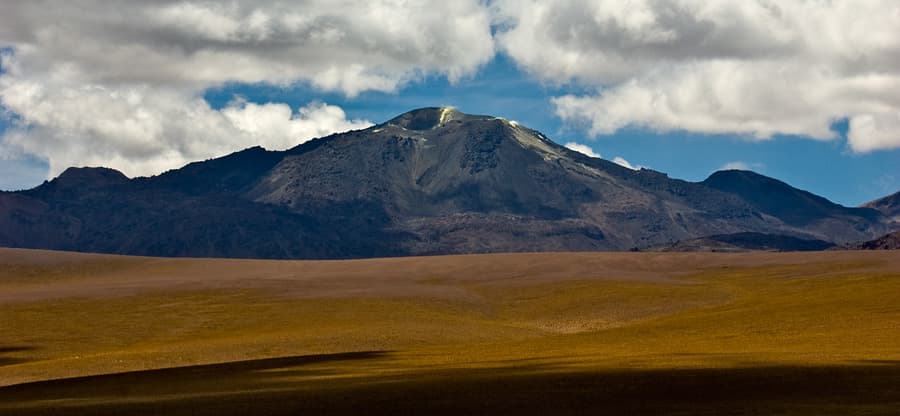
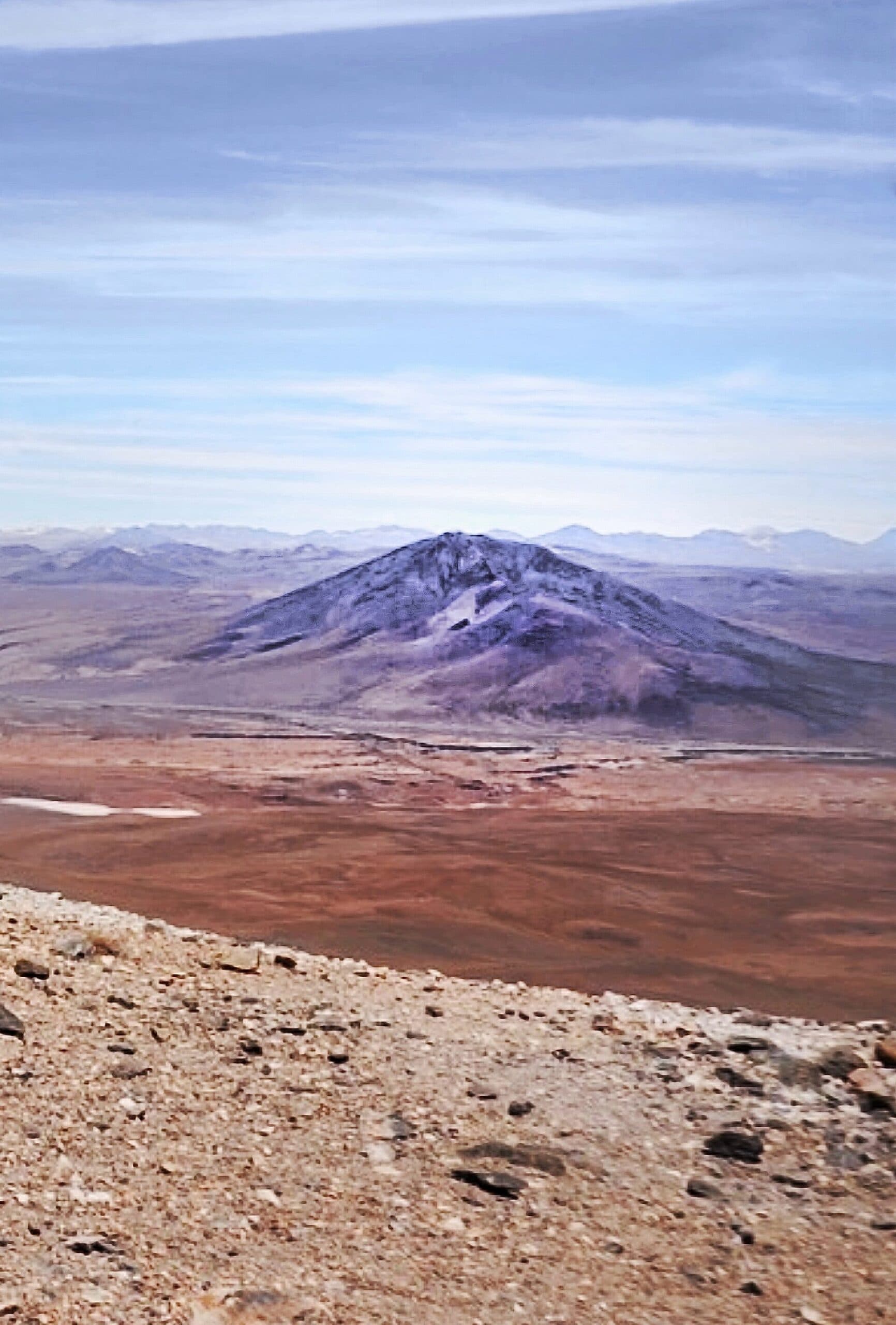
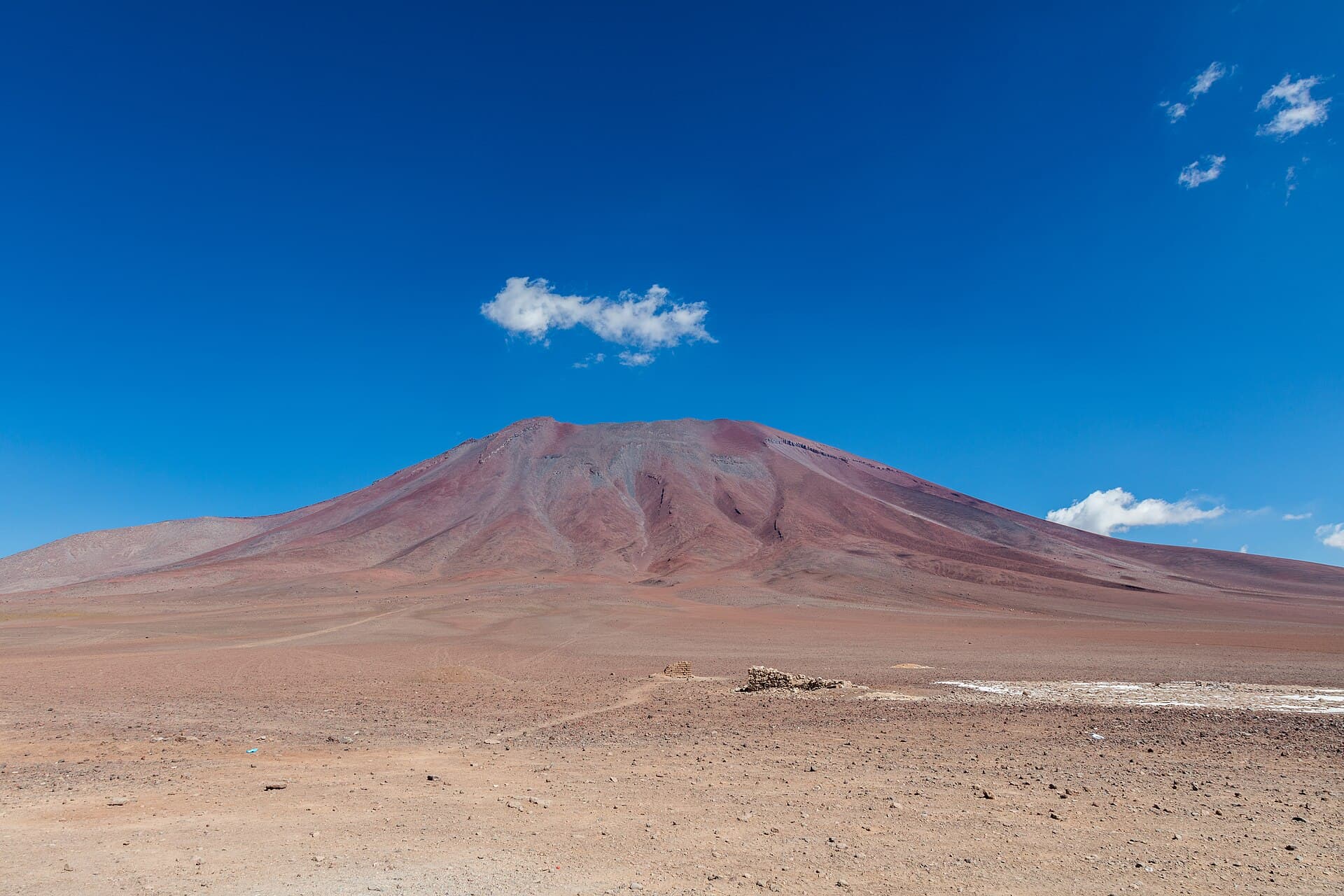
Putana rises to nearly 5,900 meters in the arid highlands of Sur Lípez Province, offering visitors a rare close-up view of an active volcano with persistent fumaroles that release sulfurous steam. The mountain’s dark slopes contrast sharply with the surrounding pale salt crusts and mineral deposits, creating a dramatic high-desert scene that feels otherworldly. Because the area sees few travelers compared with the Salar de Uyuni, those who reach Putana experience genuine solitude amid Bolivia’s southern volcanic belt.

How to Get There

Most visitors arrive via multi-day 4×4 tours that begin in Uyuni or Tupiza and continue south through the Eduardo Avaroa Andean Fauna National Reserve. The route follows rough gravel roads past Laguna Colorada and the Sol de Mañana geyser field before turning toward Putana’s base. Independent travelers with high-clearance vehicles can approach from the Chilean border at Hito Cajones, but a local guide is essential for navigation and safety at these elevations. No public transport reaches the mountain directly.

Best Time to Visit

The dry season from May to October brings stable weather, clear skies, and firm ground for walking. Afternoon winds are common year-round, yet they are strongest in the austral summer when thunderstorms can form quickly. Nighttime temperatures routinely drop below freezing even in the dry months, so layered clothing is necessary regardless of season.

What to See and Do

The primary attraction is the cluster of fumaroles on the upper slopes, where yellow sulfur crystals line the vents and steam rises continuously. Short hikes from established campsites allow close observation without technical climbing gear. Photographers favor sunrise and sunset when the low light accentuates the red and ochre mineral streaks across the crater walls. Birders may spot Andean flamingos at nearby saline wetlands, while geology enthusiasts examine the extensive lava flows that extend toward the Chilean border. Overnight stays in basic mountain camps enable stargazing under some of the clearest skies in South America.

Nearby Attractions

  • Sol de Mañana geyser basin, roughly 30 kilometers southeast
  • Laguna Colorada with its crimson waters and flamingo colonies
  • The thermal springs at Polques, useful for relaxing after a day at altitude
  • Chalviri and Hedionda lagoons, part of the same volcanic plateau

Visitor tips

  • Acclimatize for several days in Uyuni or Tupiza before attempting any activity above 4,500 meters to reduce the risk of altitude sickness.
  • Hire a licensed local guide and travel with at least two vehicles when venturing beyond established tracks; cell coverage is nonexistent.
  • Carry extra fuel, water, and a basic repair kit, as no services exist between reserve checkpoints and Putanau2019s base.

Frequently asked questions

How high is Putana Volcano?+

The summit reaches approximately 5,890 meters, making it one of the higher peaks in Boliviau2019s southern volcanic zone.

Can you climb to the summit of Putana?+

Most visitors explore the lower fumarole fields rather than attempt a full summit; the upper slopes are steep and lack marked trails.

Is Putana safe to visit?+

The volcano is monitored for activity, but the main hazards are altitude and sudden weather changes rather than eruptions.

Do I need a permit to visit Putana?+

Access falls under the Eduardo Avaroa Reserve regulations; a park entry fee is collected at the southern checkpoints.

What should I pack for a trip to Putana?+

Expect freezing nights and strong sun: bring a four-season sleeping bag, sun protection, windproof layers, and plenty of water.

Share
Google Maps Apple Maps Directions

Image: Gerard Prins · CC BY-SA 3.0 · via Wikimedia Commons

Keep reading

Nearby & related

All stories
Guayaques: Bolivia’s Remote Andean Volcano in Sur Lípez
Sur Lípez Province

Guayaques: Bolivia’s Remote Andean Volcano in Sur Lípez

Experience the stark volcanic landscapes and high-altitude solitude of Guayaques in Bolivia’s southernmost province.

12 October 2026
Quetena Volcano: Trekking Bolivia’s Remote Andean Peak
Sur Lípez Province

Quetena Volcano: Trekking Bolivia’s Remote Andean Peak

A practical guide to visiting the striking Quetena Volcano in Bolivia’s Sur Lípez Province and the surrounding Altiplano…

12 October 2026
Juriques: Climbing Bolivia’s Remote Andean Volcano in Sur Lípez
Sur Lípez Province

Juriques: Climbing Bolivia’s Remote Andean Volcano in Sur Lípez

A guide to hiking Juriques, the striking 5,704-meter volcano offering sweeping views across Bolivia’s high-altitude…

12 October 2026