
Keep reading
Nearby & related
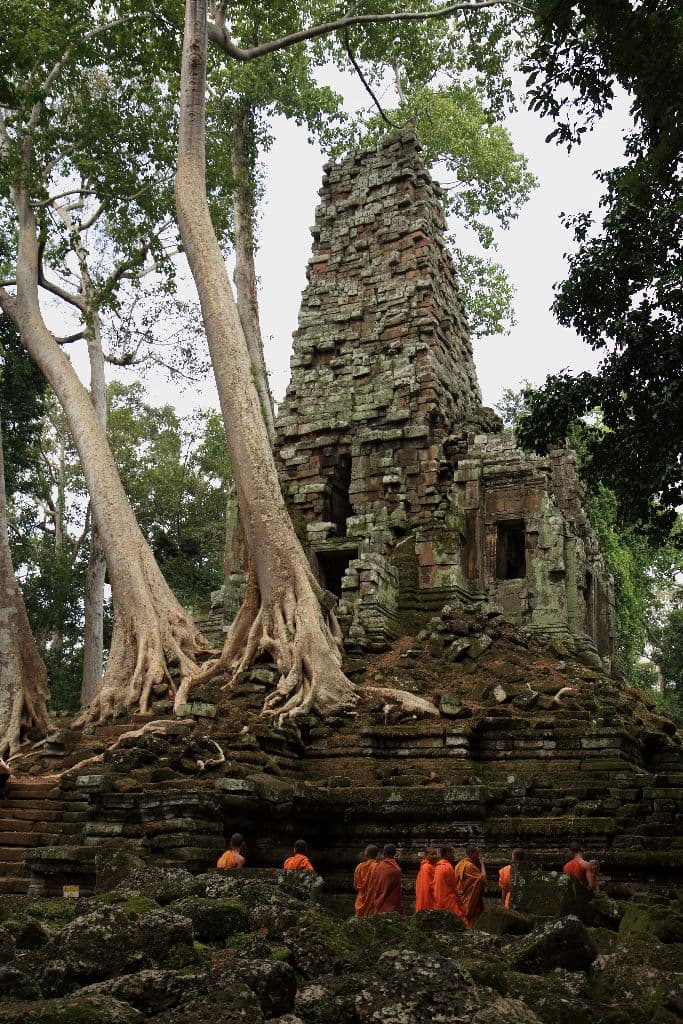
Preah Palilay: A Quiet Buddhist Sanctuary Amid the Angkor Ruins
Discover the distinctive late-12th-century temple with its soaring tower and serene atmosphere inside Siem Reap’s Angkor…
19 October 2026
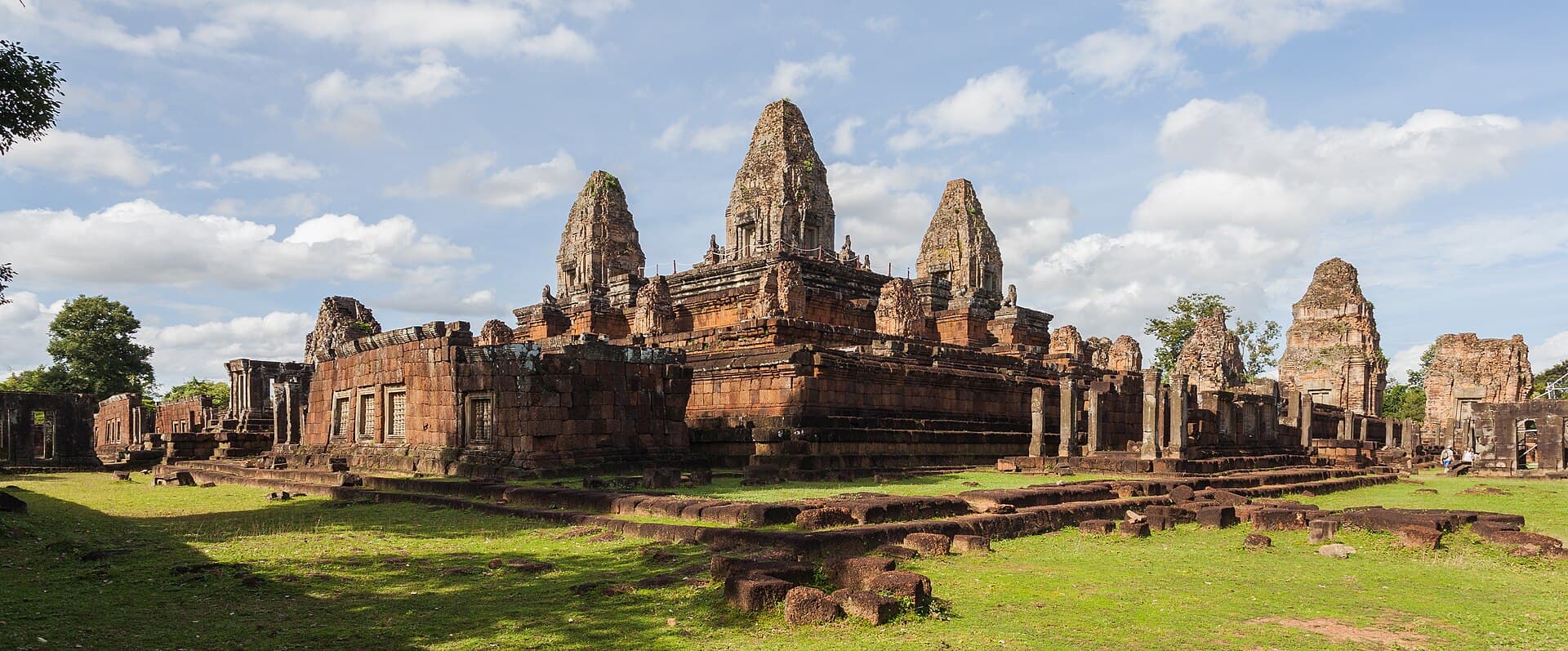
Discover Pre Rup’s distinctive five-tower silhouette, laterite-and-brick construction, and peaceful setting within the Angkor Archaeological Park.
Built in 961 by King Rajendravarman II, Pre Rup served as a state temple dedicated to the Hindu god Shiva. Its name, meaning “turning the body,” refers to a local cremation ritual once performed here. The temple marks a shift from earlier brick-and-stucco structures toward more durable laterite and sandstone, foreshadowing the great sandstone temples of the following century.
Five brick-and-laterite prasats rise from a three-tiered platform, the central tower slightly taller and flanked by four smaller ones. Intricate lintels depict scenes from Hindu epics, while false doors and decorative columns demonstrate the transition from 9th-century styles. Climb the eastern staircase for views across the East Baray reservoir and surrounding jungle canopy. The upper terrace offers quiet corners for photography without the crowds found at Angkor Wat.
Pre Rup lies 12 km north of Siem Reap town inside the Angkor complex. Most visitors arrive by tuk-tuk or rented bicycle along the main east-west road that connects the East Baray to the Roluos group. Combine it with nearby East Mebon and Banteay Samré on the same circuit. Arrive early morning or late afternoon when light softens the red brick and temperatures remain comfortable.
The cool-dry season from November through February brings clear skies and manageable heat. March to May grows hot and dusty; June to October brings rain that can make laterite steps slippery. Sunrise visits are possible but less dramatic than at Angkor Wat; sunset light on the western face is often spectacular.
East Mebon sits on an artificial island in the same reservoir. A short drive east reaches Banteay Samré with its ornate carvings, while the Roluos group temples lie 8 km farther southeast. These sites together form a quieter eastern circuit away from the main Angkor Wat–Bayon loop.
Keep reading
Discover the distinctive late-12th-century temple with its soaring tower and serene atmosphere inside Siem Reap’s Angkor…
Most visitors spend 45 to 90 minutes exploring the terraces and towers, longer if combining it with East Mebon and Banteay Samru00e9.
Yes, Pre Rup is covered by the same Angkor Archaeological Park pass required for all major temples in the area.
Access to the central tower is usually permitted, but the steep laterite steps require caution and sensible footwear.
Basic restrooms are available near the parking area, but no restaurants or shops sit inside the temple grounds; bring supplies from Siem Reap.
The uneven laterite and multiple staircases make it challenging; those with mobility concerns may prefer flatter temples such as Ta Prohm or Preah Khan.
A compact 10th-century sanctuary in Siem Reap featuring rare Vishnu carvings inside five brick towers.
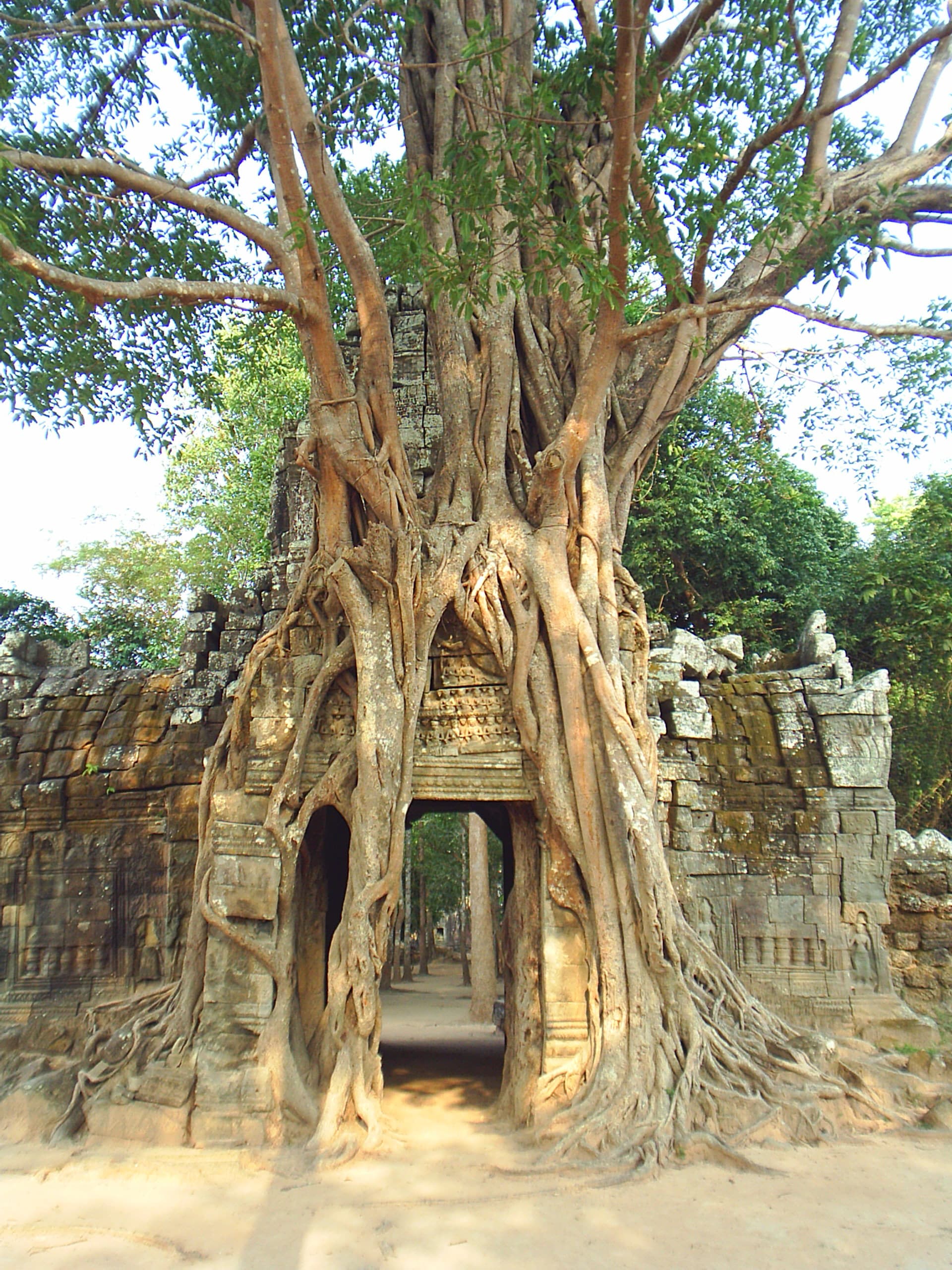
Discover the serene, tree-covered ruins of Ta Som, a lesser-visited gem in Cambodia’s Angkor Archaeological Park.
