
Keep reading
Nearby & related
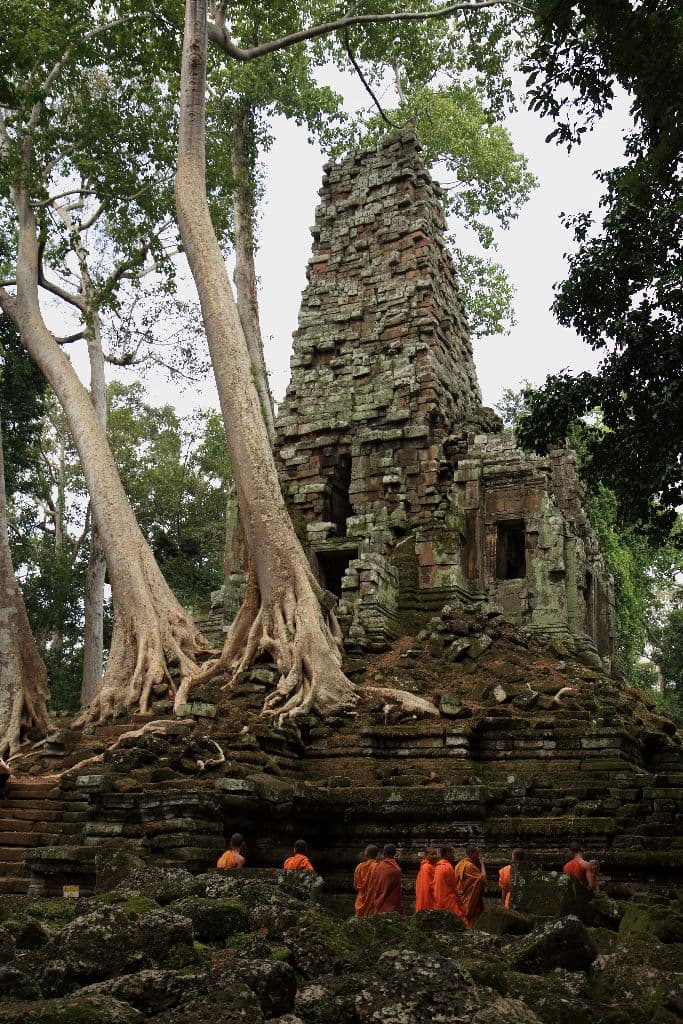
Preah Palilay: A Quiet Buddhist Sanctuary Amid the Angkor Ruins
Discover the distinctive late-12th-century temple with its soaring tower and serene atmosphere inside Siem Reap’s Angkor…
19 October 2026
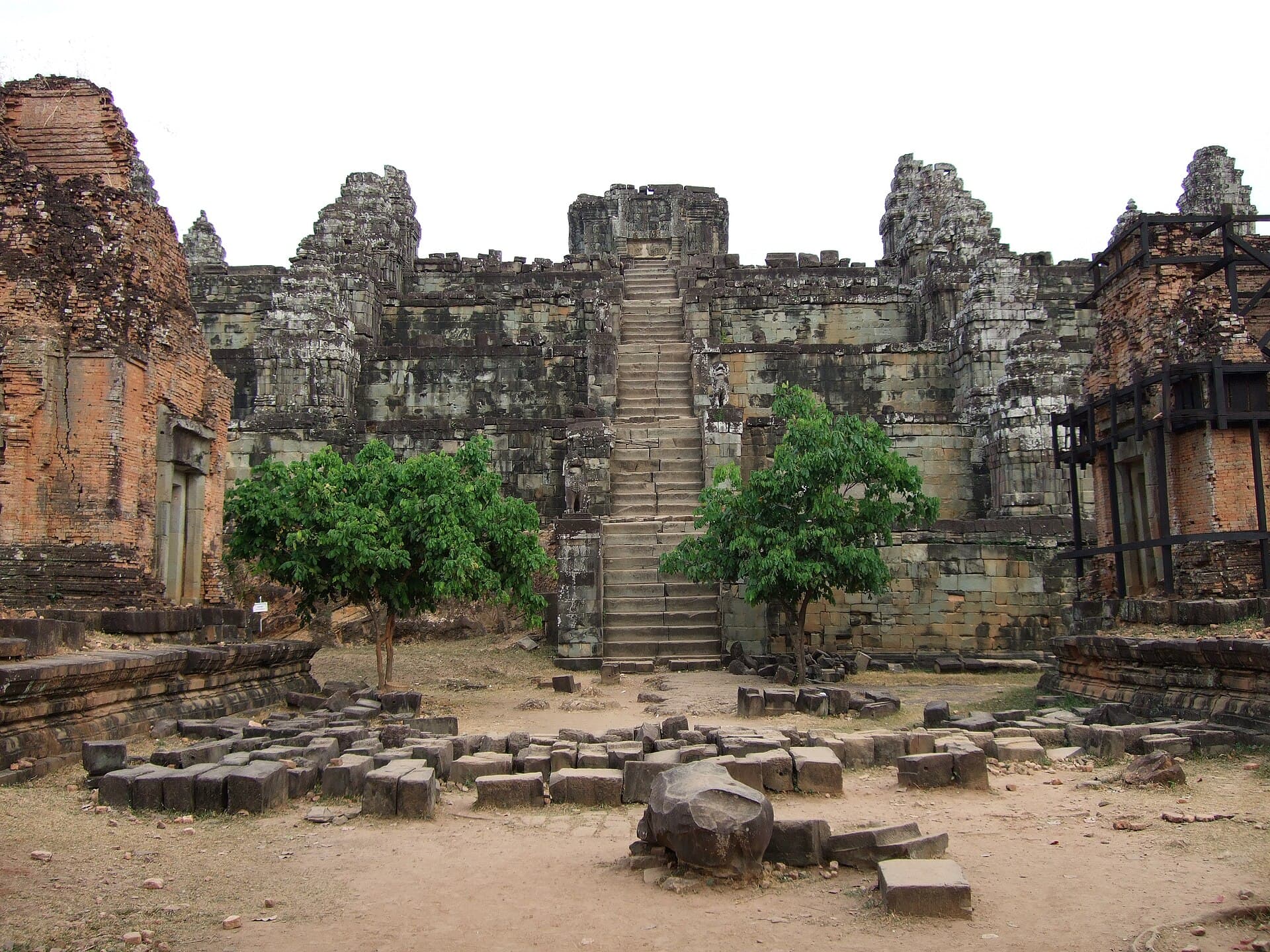
Climb the historic ninth-century temple for sweeping panoramas across the Angkor Archaeological Park and surrounding jungle.
Phnom Bakheng rises as one of the earliest temple-mountains built by the Khmer Empire, offering visitors a tangible link to the origins of Angkor. Its central location within the archaeological park makes it both a destination and a vantage point for understanding the scale of the ancient city below.
Constructed in the late ninth century under King Yasovarman I, the temple was dedicated to the Hindu god Shiva. Five tiers of laterite and sandstone rise to a central sanctuary that once housed a linga. Bas-reliefs depicting apsaras, elephants, and battle scenes still adorn the upper levels, though many have weathered over centuries. The design follows the mountain-temple tradition later perfected at Angkor Wat, with steep stairways symbolizing ascent toward the divine.
Walk the broad eastern approach lined with guardian lions and naga balustrades. At the summit, circle the central sanctuary for 360-degree views that include the spires of Angkor Wat to the south and the forested hills to the north. Many visitors time their ascent for late afternoon when the setting sun illuminates the western face of the temple and casts golden light across the plain. Photographers often position themselves along the southern terrace for the clearest sightline toward Angkor Wat.
Phnom Bakheng lies inside the Angkor Archaeological Park, roughly 20 kilometers north of Siem Reap. Most travelers reach it by tuk-tuk, bicycle, or the park’s official shuttle buses after purchasing an Angkor pass at the main entrance. From the ticket checkpoint, follow the main road toward Angkor Wat and turn north at the well-marked junction. A short but steep path leads from the base parking area to the summit; elephant rides are no longer offered on the hill.
The dry season from November to February brings clearer skies and comfortable temperatures for climbing. Arrive by mid-afternoon to secure a good viewpoint before crowds peak at sunset. Rainy-season visits offer fewer people and lush greenery, though paths can become slippery. Early morning provides softer light and solitude for those who prefer history over photography.
After descending, continue to Angkor Wat for its intricate bas-reliefs or head north to the sprawling ruins of Angkor Thom and the Bayon. The forested trail connecting Phnom Bakheng with Baksei Chamkrong offers a quieter alternative return route past smaller shrines.
Keep reading
Discover the distinctive late-12th-century temple with its soaring tower and serene atmosphere inside Siem Reap’s Angkor…
The walk from the base parking area to the summit usually takes 15 to 25 minutes depending on fitness level and how often you stop to rest on the terraces.
No. The temple sits inside the Angkor Archaeological Park and requires a valid one-day, three-day, or seven-day pass purchased at the official ticket booths.
The steep final stairway and uneven stone surfaces make access difficult for young children and those with mobility limitations; many families choose to view the temple from below instead.
No permanent facilities exist at the top. Small drink stalls operate near the base parking area, so plan accordingly before ascending.
Light, breathable clothing that covers shoulders and knees is required at all Angkor temples. Bring a reusable water bottle and sun protection.
A compact 10th-century sanctuary in Siem Reap featuring rare Vishnu carvings inside five brick towers.
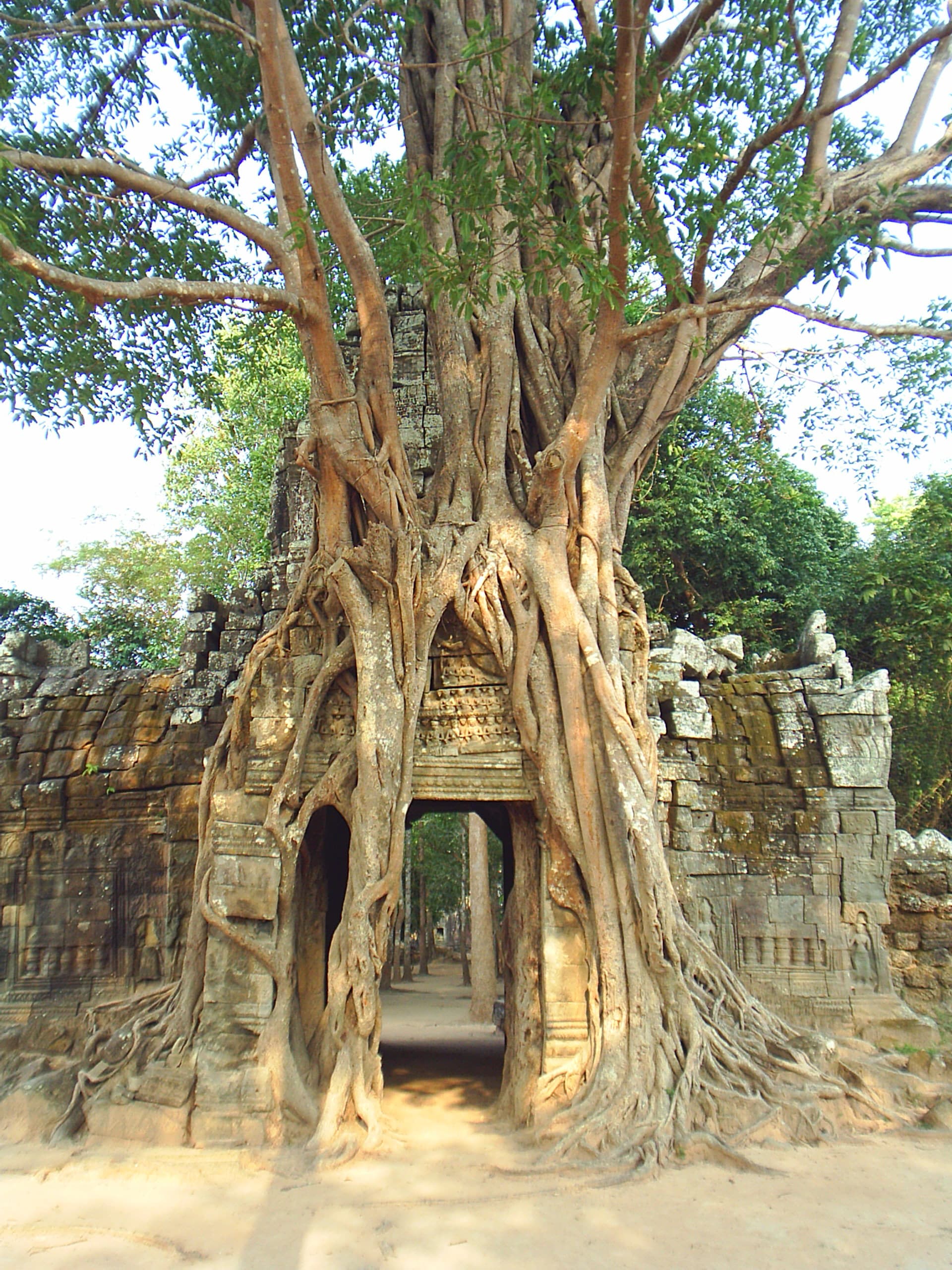
Discover the serene, tree-covered ruins of Ta Som, a lesser-visited gem in Cambodia’s Angkor Archaeological Park.
