Why the Nowitna River Belongs on Your Alaska Itinerary
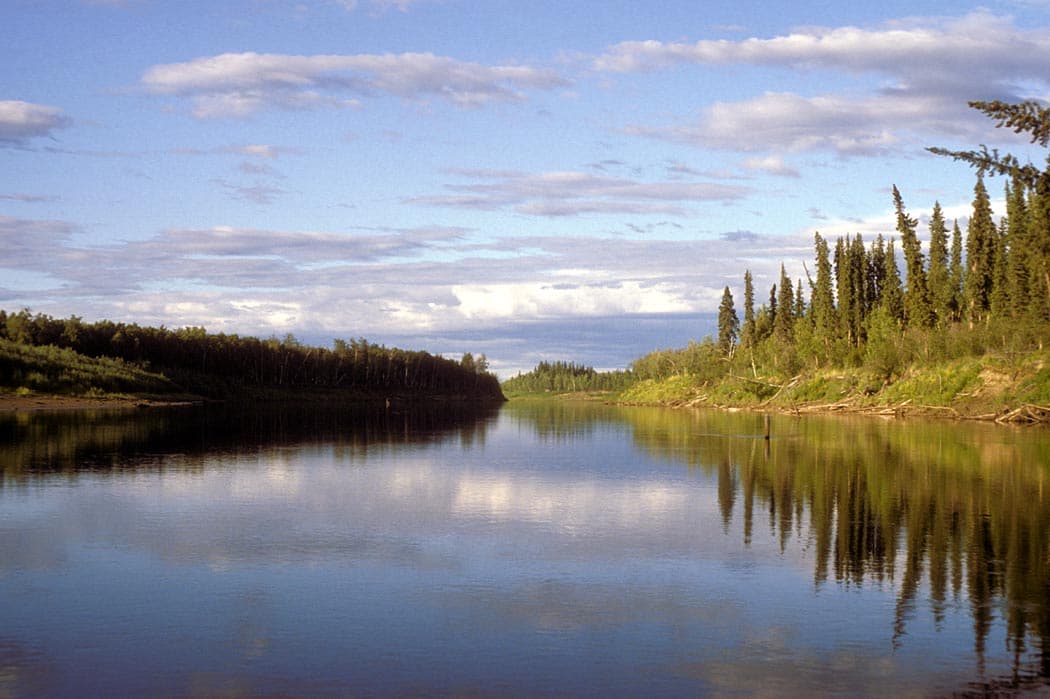
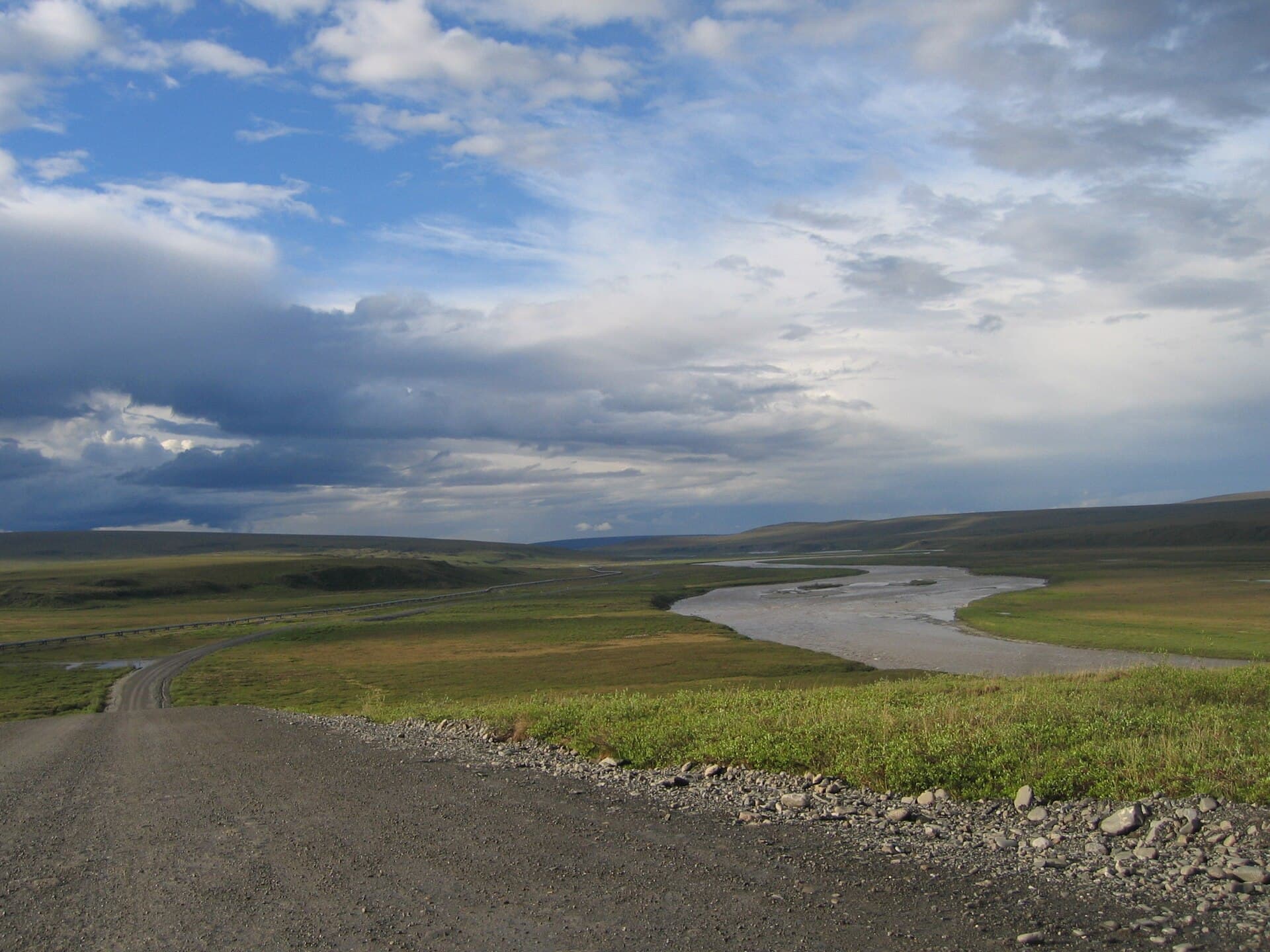
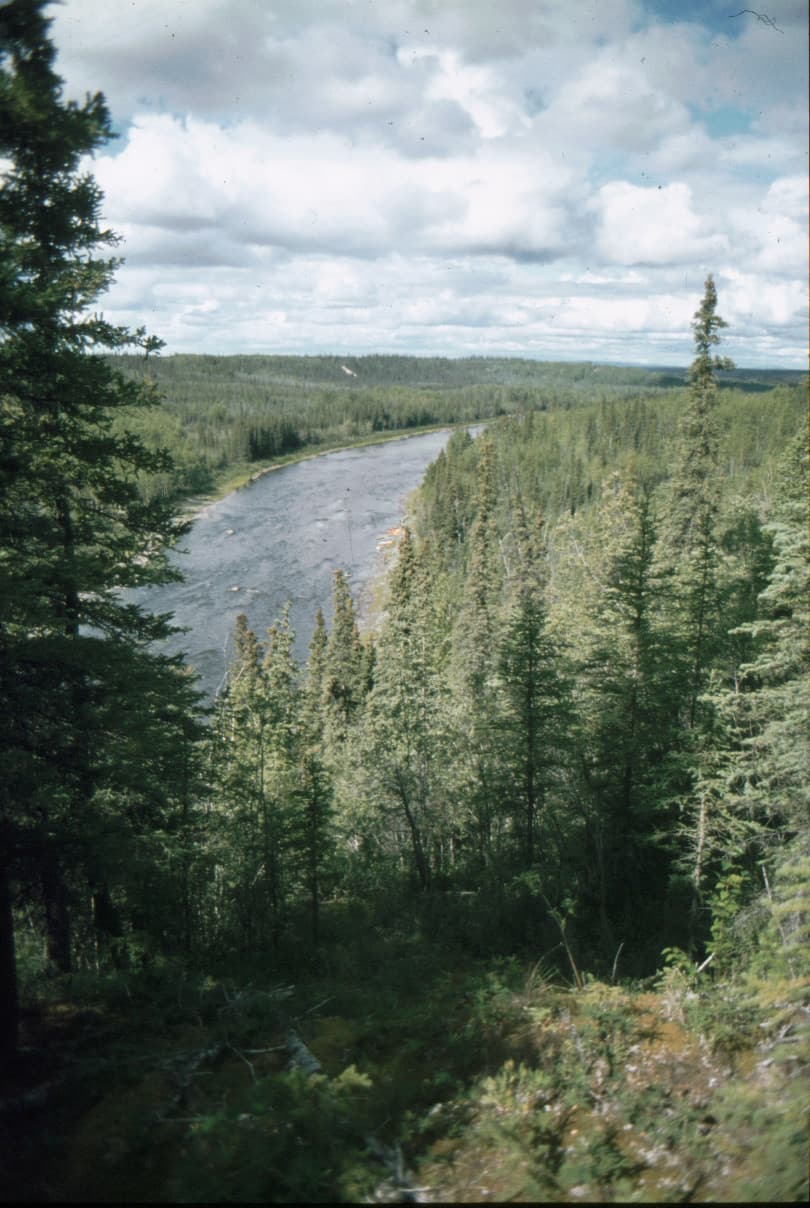
The Nowitna River flows 283 miles through central Alaska’s interior, entirely within the Nowitna National Wildlife Refuge. Its slow-moving waters and broad meanders create one of the most accessible yet remote wilderness float trips in the state. Travelers come for the quiet, the chance to see moose, bears, and nesting waterfowl without crowds, and the sense of paddling through country that has changed little in centuries.
What to See and Do
Most visitors experience the river by canoe or raft on multi-day trips. Popular segments begin at the river’s headwaters near the Kuskokwim Mountains and continue downstream toward the Yukon River confluence. The upper reaches offer narrow channels and occasional riffles, while the middle and lower sections feature wide, calm water ideal for fishing or wildlife viewing. Anglers target northern pike, sheefish, and salmon runs. Birders scan gravel bars for sandhill cranes and bald eagles.
Wildlife Viewing
The refuge protects one of Alaska’s densest moose populations. Black bears frequent berry patches along the banks, and wolves and lynx are occasionally spotted. Early morning and evening floats yield the best sightings. Carry binoculars and move quietly; the river’s gentle current allows silent drifting past sandbars where animals come to drink.
How to Get There
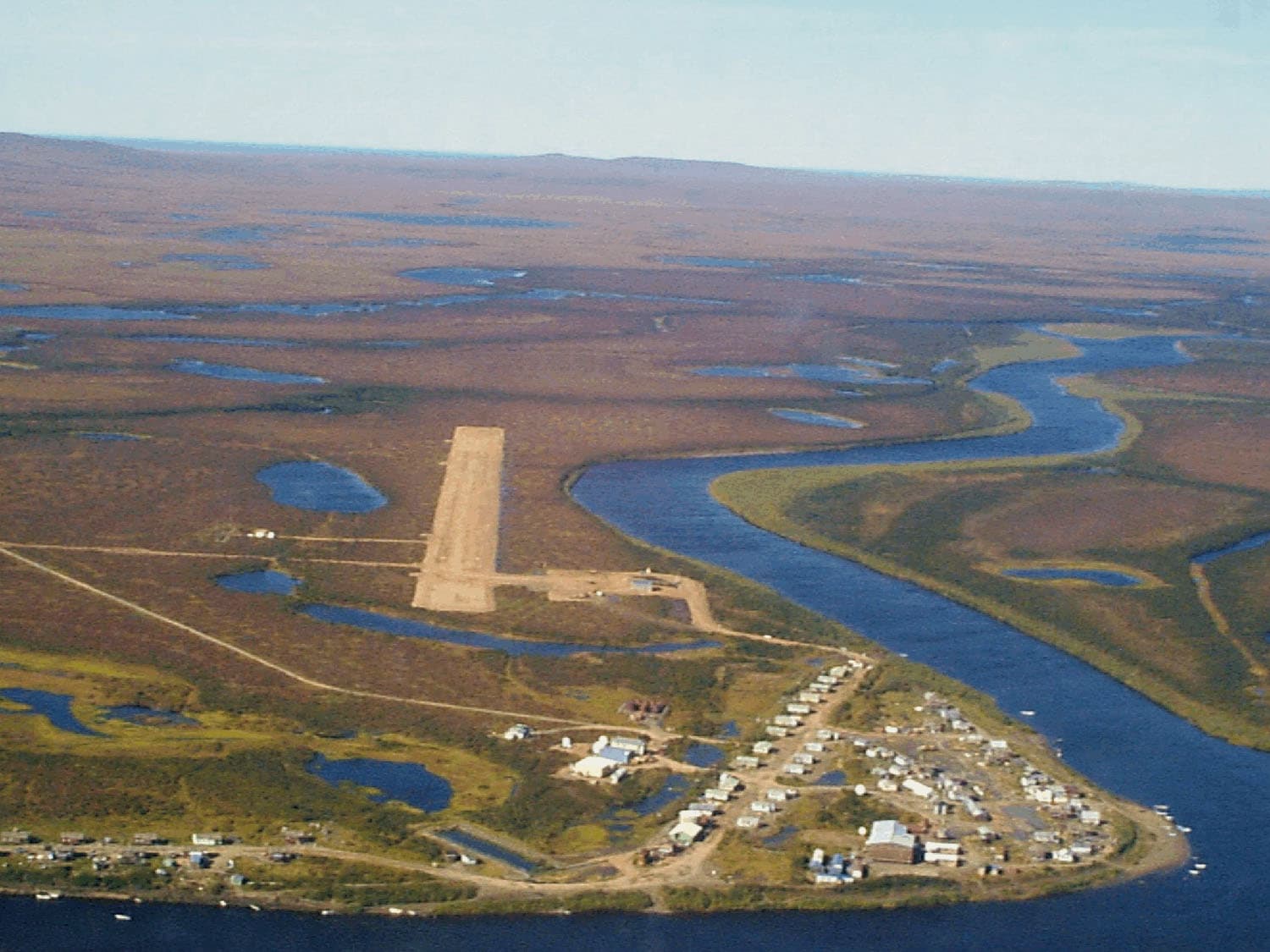
Access is by air. Most travelers fly into Galena or Ruby, then charter a bush plane to a gravel bar or lakeshore put-in. A few outfitters offer guided trips that include transport. The river is not road-accessible, preserving its wilderness character. Float trips typically end at the Yukon River, where a boat or floatplane retrieves paddlers.
Best Time to Visit
June through early September offers the longest days, ice-free water, and active wildlife. Peak mosquito season occurs in June and July; later summer brings fewer insects and more stable weather. September brings fall colors and the possibility of early snow, shortening the season.
Nearby Destinations
After a Nowitna trip, many continue to the Yukon River for larger-scale floating or visit the historic village of Ruby for supplies and local culture. The refuge itself contains additional lakes and sloughs reachable by small plane for side excursions.