
Keep reading
Nearby & related
Dhaka
Bangladesh Police Liberation War Museum: Dhaka’s Tribute to 1971 Heroes
Uncover the Bangladesh Police’s crucial role in the 1971 Liberation War through powerful exhibits at this Dhaka museum.
24 September 2026
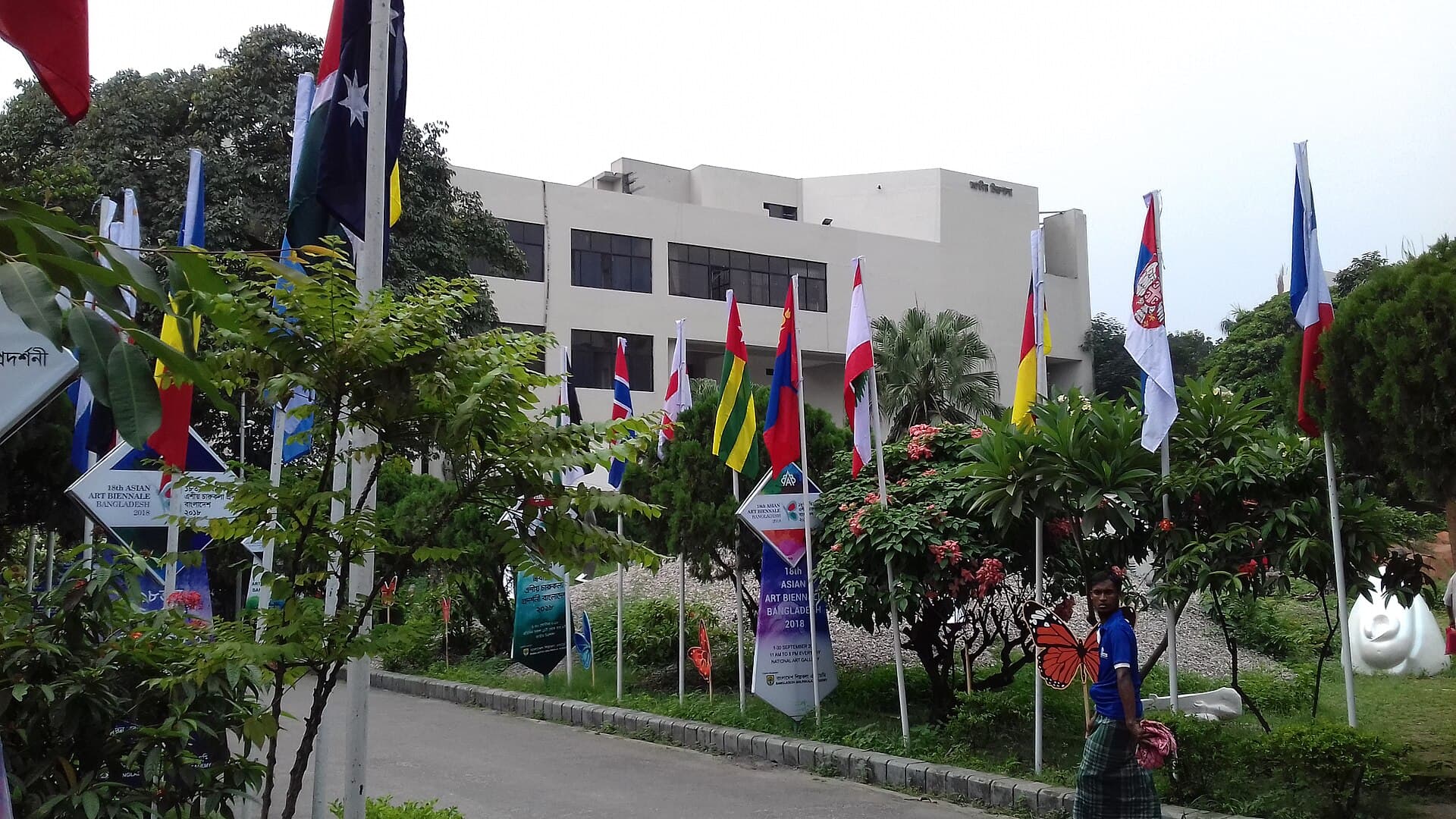
Discover centuries of Bangladeshi creativity through paintings, sculptures, and installations at this central Dhaka museum.
The National Art Gallery, housed within the Bangladesh Shilpakala Academy complex in Segunbagicha, serves as the country’s premier showcase for visual arts. It traces the evolution of Bangladeshi artistic expression from folk traditions and miniature paintings through the trauma of the 1971 Liberation War to today’s contemporary experiments. Visitors gain a concise yet profound understanding of how artists have interpreted identity, nature, and social change in this delta nation.
The permanent collection spans multiple floors and includes major works by Zainul Abedin, whose famine sketches remain searingly powerful, alongside pieces by Quamrul Hassan, Safiuddin Ahmed, and later generations experimenting with abstract forms and mixed media. Rotating exhibitions highlight emerging artists and thematic shows on topics such as river ecology or women’s narratives. A small sculpture garden offers breathing space between indoor galleries. Most visitors spend two to three hours moving methodically through the chronological displays; audio guides are not provided, so reading the bilingual wall texts adds depth.
The gallery sits just east of the National Parliament House and is easily reached by rickshaw or ride-hailing apps from Gulshan or Banani. From Shahbagh metro-area bus stops, it is a flat ten-minute walk. Foreign visitors often combine the visit with the nearby Dhaka University campus or the Liberation War Museum, both within a 15-minute stroll.
November through February offers the most comfortable temperatures and clearer skies for walking between nearby sites. The gallery remains open year-round, yet monsoon months bring heavier crowds seeking indoor refuge and occasional humidity-related maintenance closures. Arrive at opening to enjoy quieter halls before school groups arrive mid-morning.
After viewing the collection, stroll to the Bangladesh National Museum for archaeological context or relax in the leafy grounds of Suhrawardy Udyan, site of the 1971 surrender ceremony. Evening cultural performances at the adjacent Shilpakala Academy auditorium frequently complement daytime gallery visits.
Keep reading
Uncover the Bangladesh Police’s crucial role in the 1971 Liberation War through powerful exhibits at this Dhaka museum.
Yes, older children and teens often enjoy the visual storytelling, especially the Liberation War artworks. Younger visitors may tire quickly without interactive elements.
Walk-up entry is standard; lines are short except during major national holidays or special exhibition openings.
Staff-led tours are infrequent; independent exploration with the provided wall texts works well for most English-speaking visitors.
Absolutely. Many visitors view the galleries in the afternoon and attend evening music or theater events in the same complex.
Ground-floor galleries and restrooms are accessible; upper floors require stairs, though staff can sometimes assist with alternative viewing arrangements.
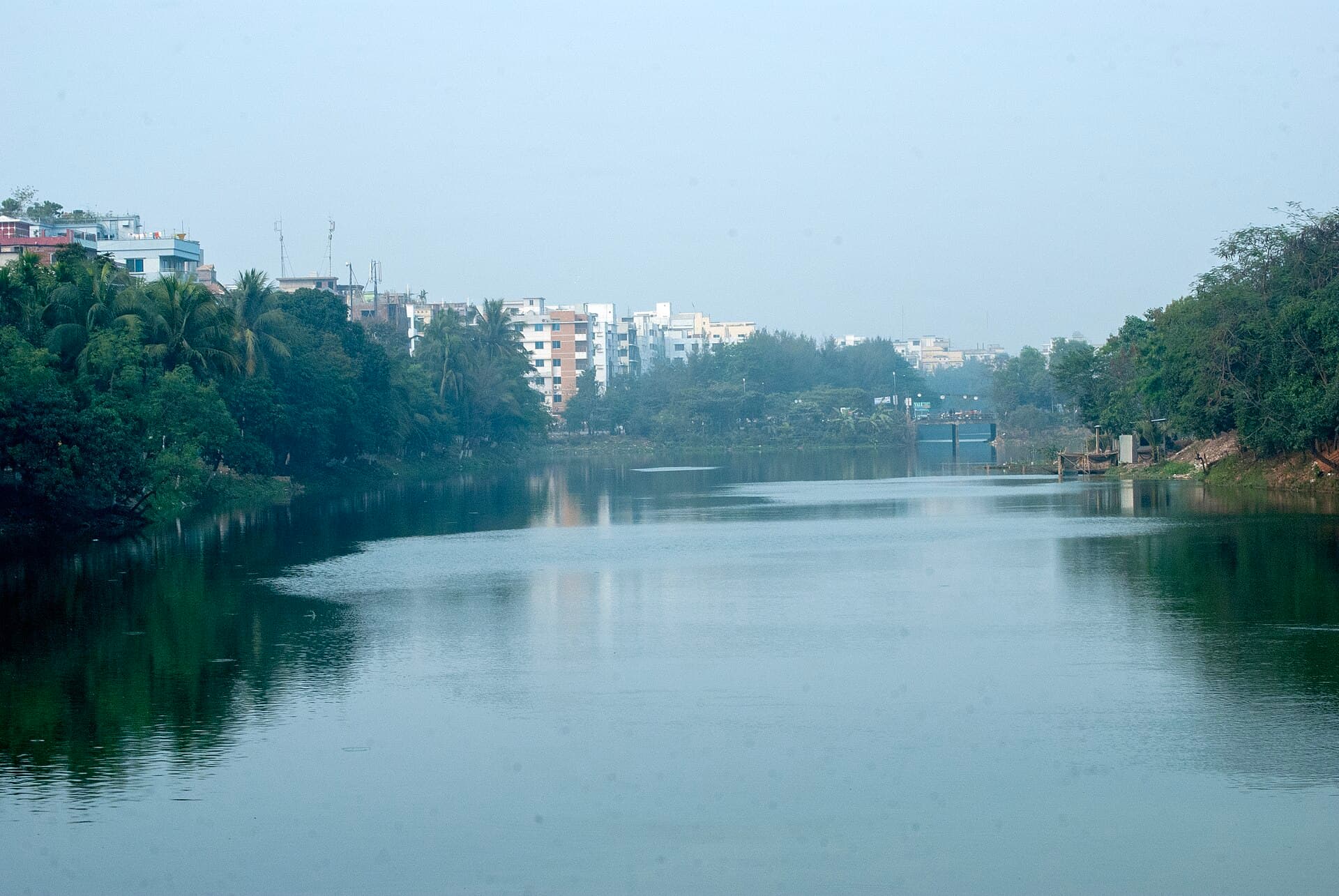
A calm waterside escape in one of Dhaka’s fastest-growing residential zones, perfect for morning walks and quiet…
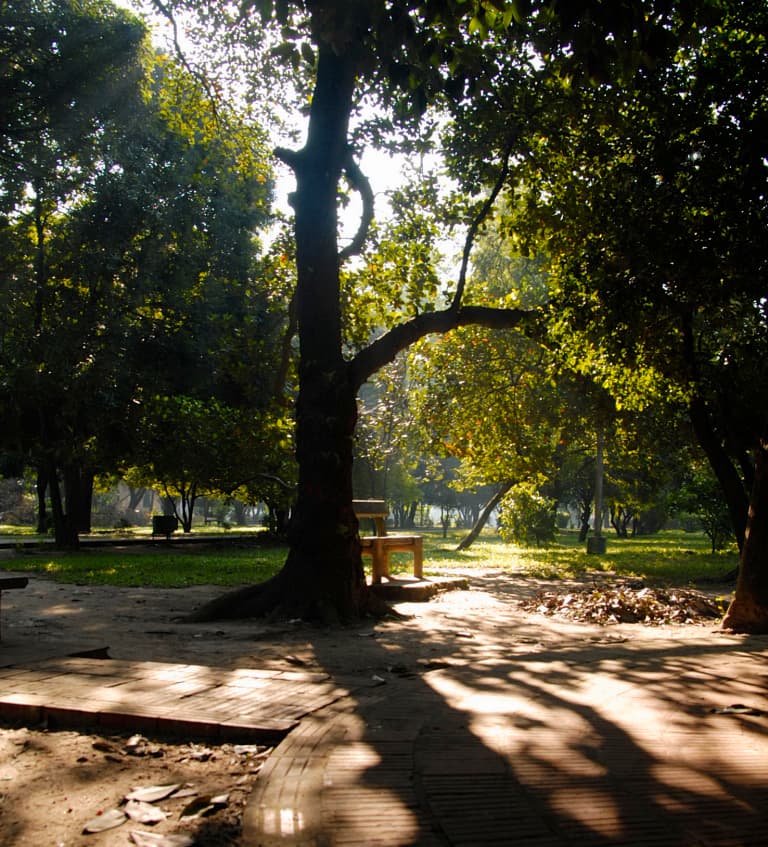
A leafy urban sanctuary where locals gather for morning walks, festivals, and quiet moments amid Dhaka’s bustle.