
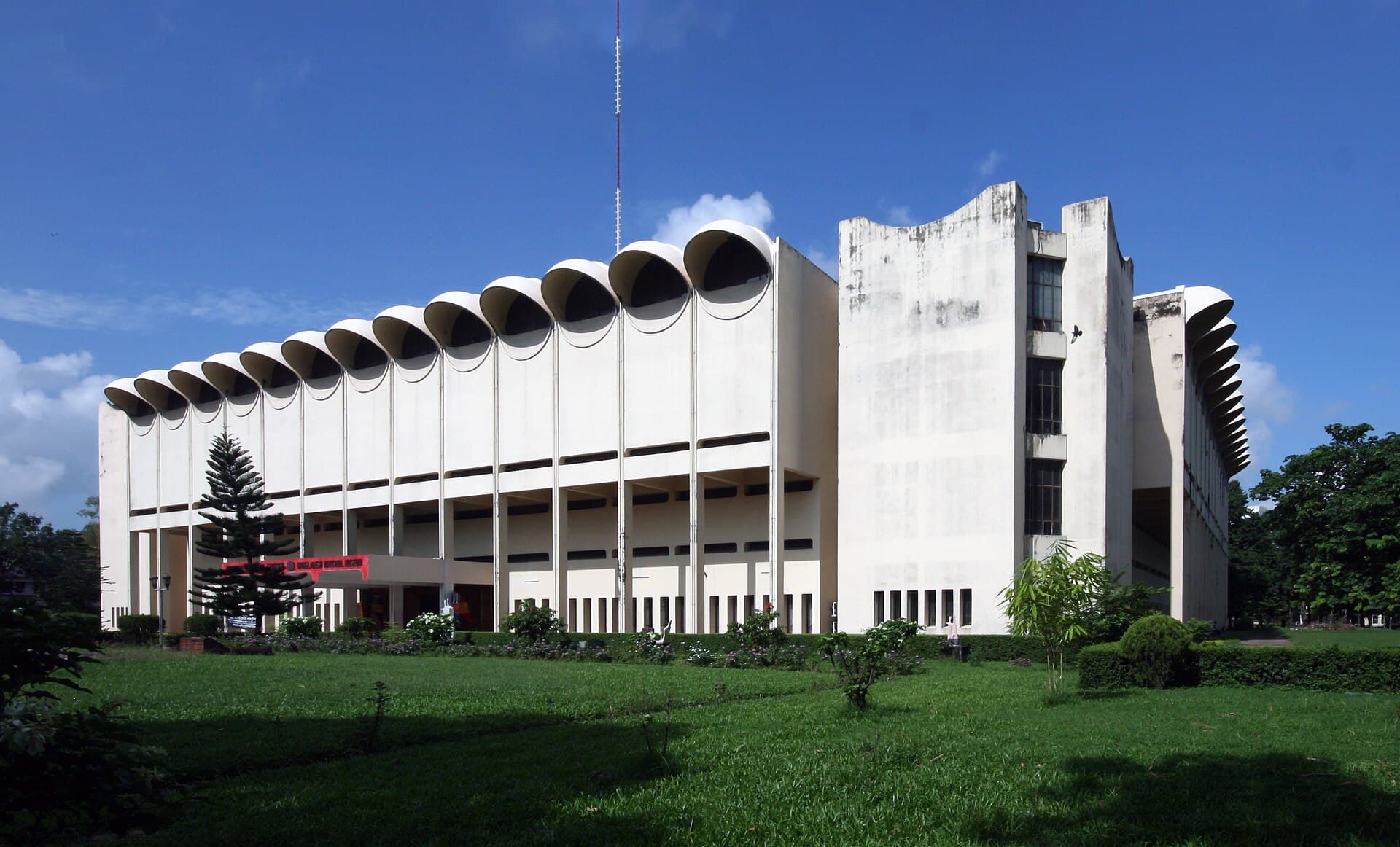
Bangladesh National Museum: A Deep Dive into the Nation’s Art, History, and Culture
Wander through centuries of Bangladeshi heritage at this landmark institution in central Dhaka's Shahbag district.
Why Visit the Bangladesh National Museum
The Bangladesh National Museum stands as the country’s premier repository of art, archaeology, ethnography, and natural history. Located in the bustling Shahbag neighborhood, it offers visitors a structured journey through the story of Bengal from prehistoric times to the present. Its collections highlight the region’s distinctive terracotta art, ancient sculptures, and the pivotal events of the 1971 Liberation War, making it an essential stop for anyone seeking context on Bangladesh’s identity.
Key Collections to Explore
Archaeology and Ancient Art
The ground floor galleries display stone and bronze sculptures from the Mauryan, Gupta, and Pala periods, alongside intricate terracotta plaques recovered from sites such as Mahasthangarh and Paharpur. These artifacts illustrate early trade links with Southeast Asia and the evolution of Buddhist and Hindu iconography in the delta.
Ethnography and Folk Art
Upstairs, visitors encounter traditional nakshi kantha quilts, Jamdani textiles, and tribal crafts from the Chittagong Hill Tracts and Sylhet. These displays emphasize the living cultural practices that continue alongside rapid urbanization.
History and the Liberation War
A dedicated wing documents the 1952 Language Movement and the nine-month war of independence through photographs, personal letters, and recovered weapons. The somber tone of this section provides a powerful counterpoint to the earlier artistic galleries.
Practical Information for Visitors
The museum occupies a large campus with multiple buildings connected by shaded walkways. Allow at least three hours for a thoughtful visit; the site is best explored on foot. Public transport options include cycle rickshaws and CNG auto-rickshaws from Gulshan or Old Dhaka, while the nearby Dhaka University metro station (once operational) will improve access. The surrounding Shahbag area offers simple tea stalls and bookshops popular with students.
Best Time to Visit
November through February brings cooler, drier weather ideal for walking between galleries and exploring the adjacent Suhrawardy Udyan park afterward. Summer months are hot and humid, while the monsoon can disrupt outdoor movement around the campus.
Nearby Places Worth Combining
After your museum visit, stroll to the Dhaka University campus for its colonial architecture, or continue to the Liberation War Museum for additional context. The Bangla Academy and the adjacent fine-arts faculty often host temporary exhibitions that complement the national collection.