Keep reading
Nearby & related
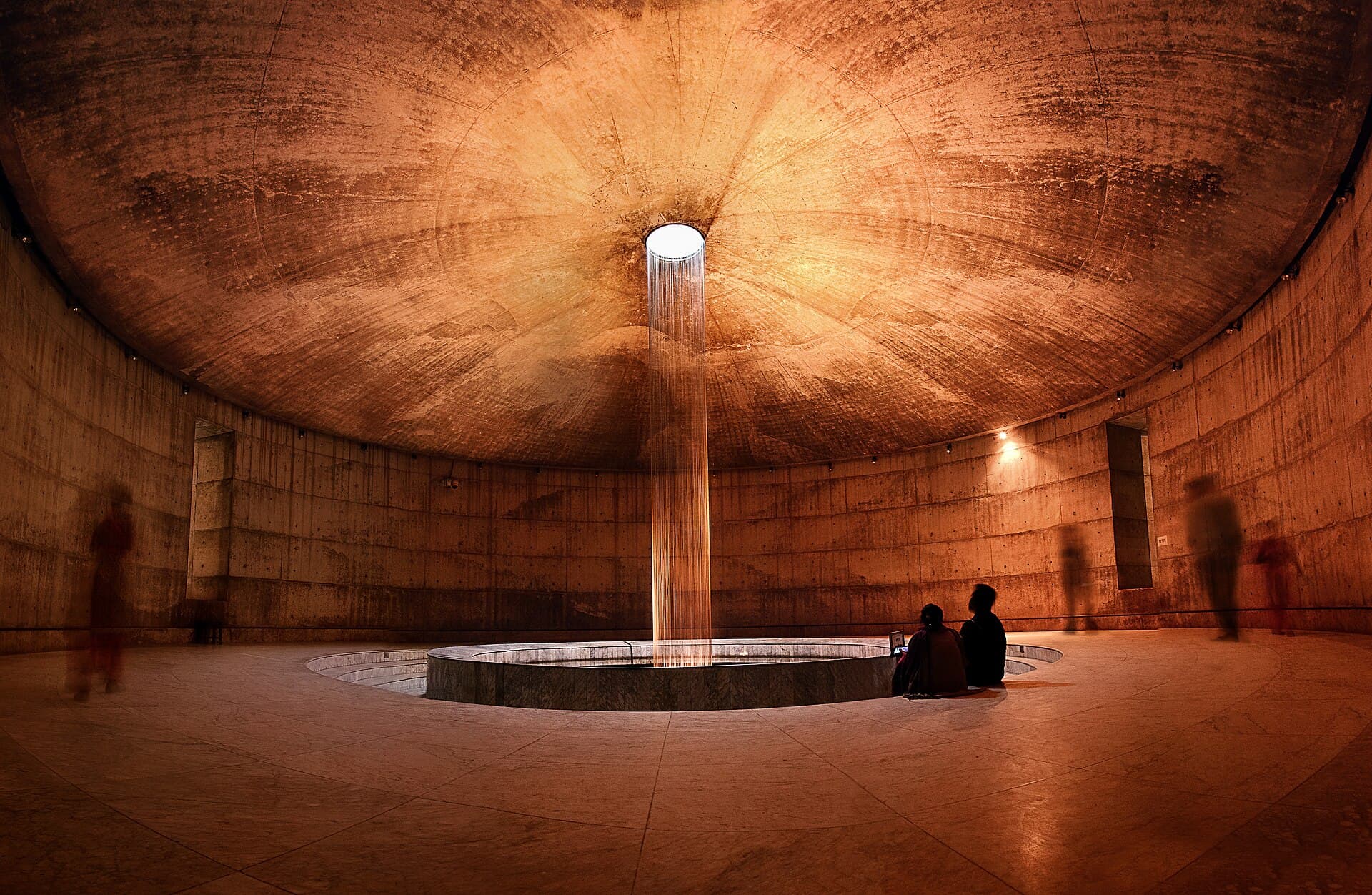
Museum of Independence, Dhaka: Tracing Bangladesh’s Path to Freedom
Step into the story of Bangladesh’s 1971 Liberation War through artifacts and exhibits at this central Dhaka landmark.
24 September 2026
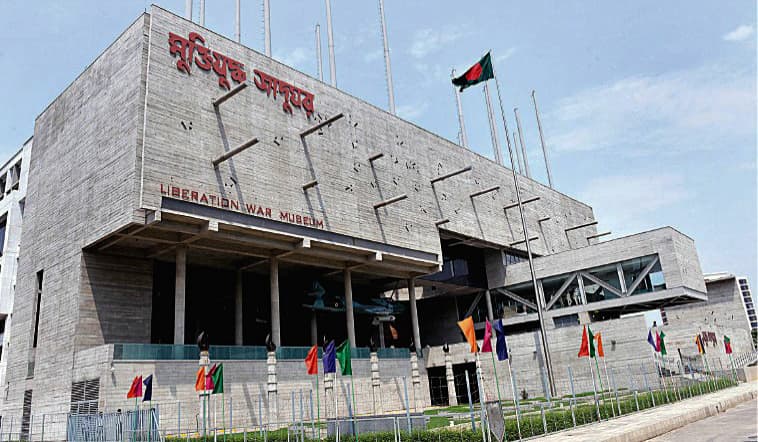
Step into the powerful exhibits and outdoor memorials that chronicle the birth of Bangladesh at this essential Dhaka landmark.
The Liberation War Museum preserves the memory of Bangladesh’s nine-month struggle for independence in 1971. Located in Agargaon, the institution presents the conflict through personal letters, photographs, weapons, and everyday objects donated by survivors and their families. Visitors gain a clear picture of how ordinary citizens resisted Pakistani forces and how the nation emerged from that fight.
Inside the main building, chronological displays trace events from language protests in the 1950s through the crackdown of March 1971 and final victory in December. One gallery focuses on the roles of women and students, while another shows the makeshift hospitals and refugee camps that operated during the war. A large collection of original documents includes telegrams sent by the provisional government and foreign press clippings that shaped international opinion. The exhibits avoid sensationalism, instead emphasizing documented facts and individual stories that make the scale of the conflict tangible.
The museum grounds contain recovered military vehicles, artillery pieces, and a reconstructed guerrilla hideout. A separate section honors the martyred intellectuals killed in the final days of the war. Walking these open areas gives visitors a sense of the terrain where much of the fighting occurred and allows quiet reflection away from the crowded indoor spaces.
The museum sits near the National Parliament complex, reachable by ride-share apps, CNG auto-rickshaws, or city buses from central Dhaka points such as Gulshan or Motijheel. Most drivers recognize the site by its Bangla name, Muktijuddho Jadughar. On-site parking exists for private vehicles, and the flat layout makes the grounds accessible for visitors with limited mobility.
Dhaka’s cooler, drier months from November through February offer the most comfortable conditions for outdoor exploration. Early weekday mornings tend to be quieter, allowing unhurried viewing of the galleries. After the museum, travelers often continue to the nearby National Parliament building for its architectural interest or the Martyred Intellectuals Memorial in Mirpur, both within a short ride. The combination provides a fuller context of the city’s modern political and memorial landscape.
Keep reading
Step into the story of Bangladesh’s 1971 Liberation War through artifacts and exhibits at this central Dhaka landmark.
Yes, older children and teenagers generally benefit from the historical narrative, though some graphic images of wartime suffering appear in the galleries.
Most visitors spend between ninety minutes and three hours, depending on whether they explore the outdoor memorials in detail.
Staff occasionally offer informal English explanations; independent travelers often prepare with background reading beforehand.
Photography is permitted in most areas, but flash is discouraged near sensitive documents and textiles.
Modest clothing is appropriate, and comfortable shoes are essential for walking the extensive grounds.
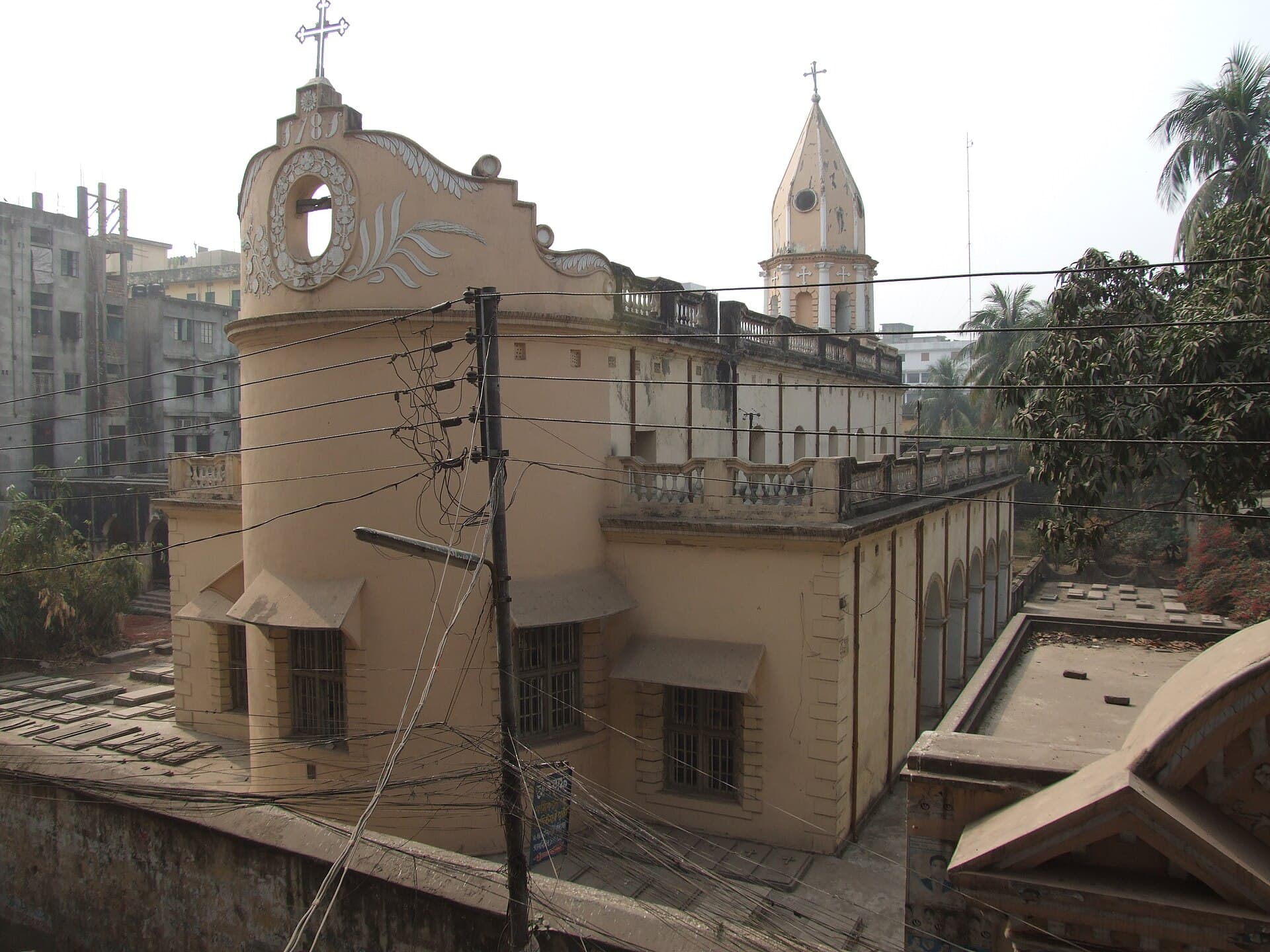
This quiet 1781 church and its historic cemetery offer a peaceful window into Dhaka’s multicultural trading past.