Why Visit Mount Moffett
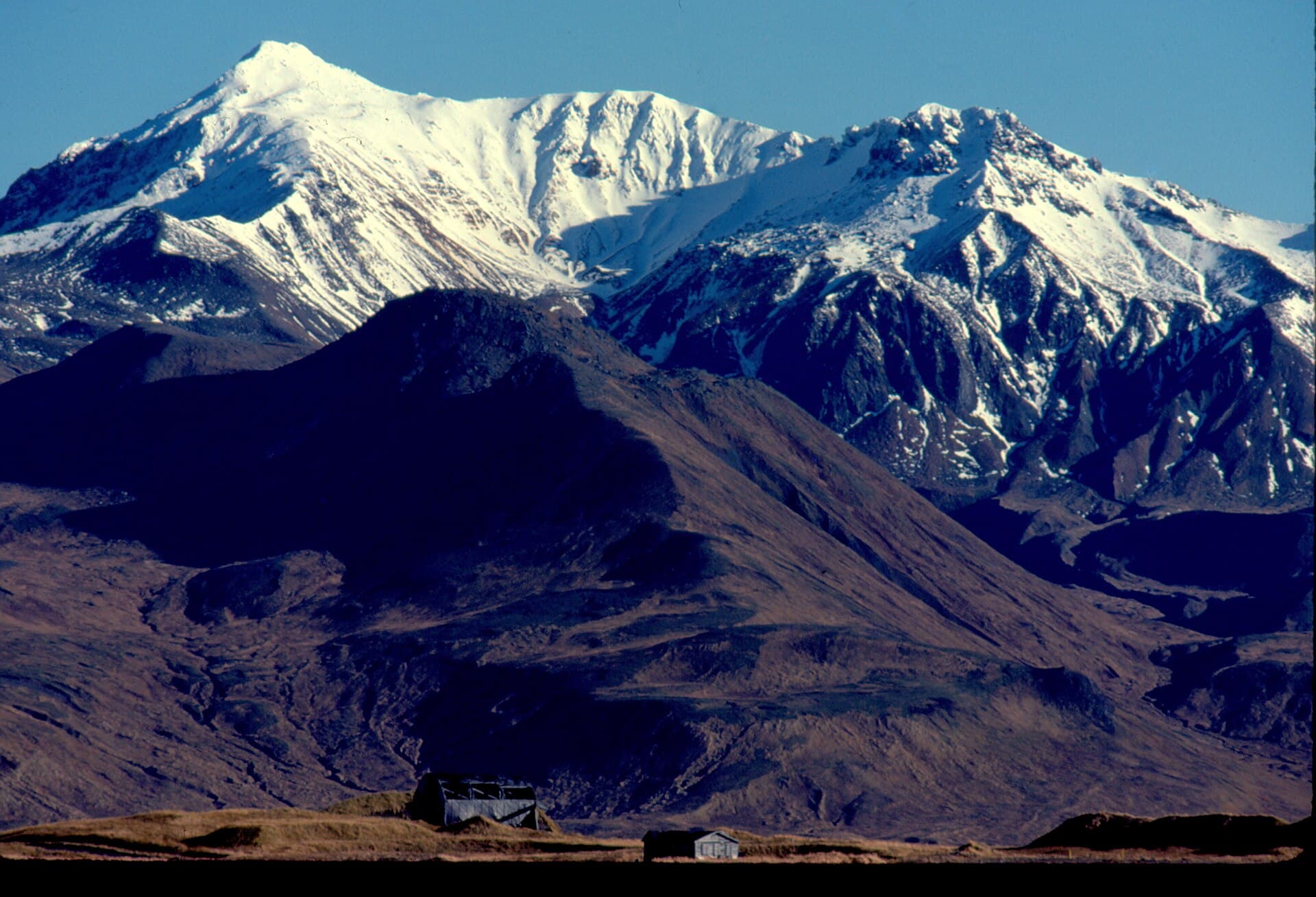
Mount Moffett rises dramatically from Adak Island in the Aleutian chain, offering hikers a rare combination of volcanic terrain, military history, and abundant seabird colonies. At 3,924 feet it is the island’s highest point and provides sweeping views across the Bering Sea and North Pacific on clear days. The mountain’s slopes hold concrete bunkers and gun emplacements left from World War II, when Adak served as a major U.S. base. These relics blend into tundra and wildflower meadows, creating a unique trail experience unavailable on more developed Alaskan peaks.
Getting There
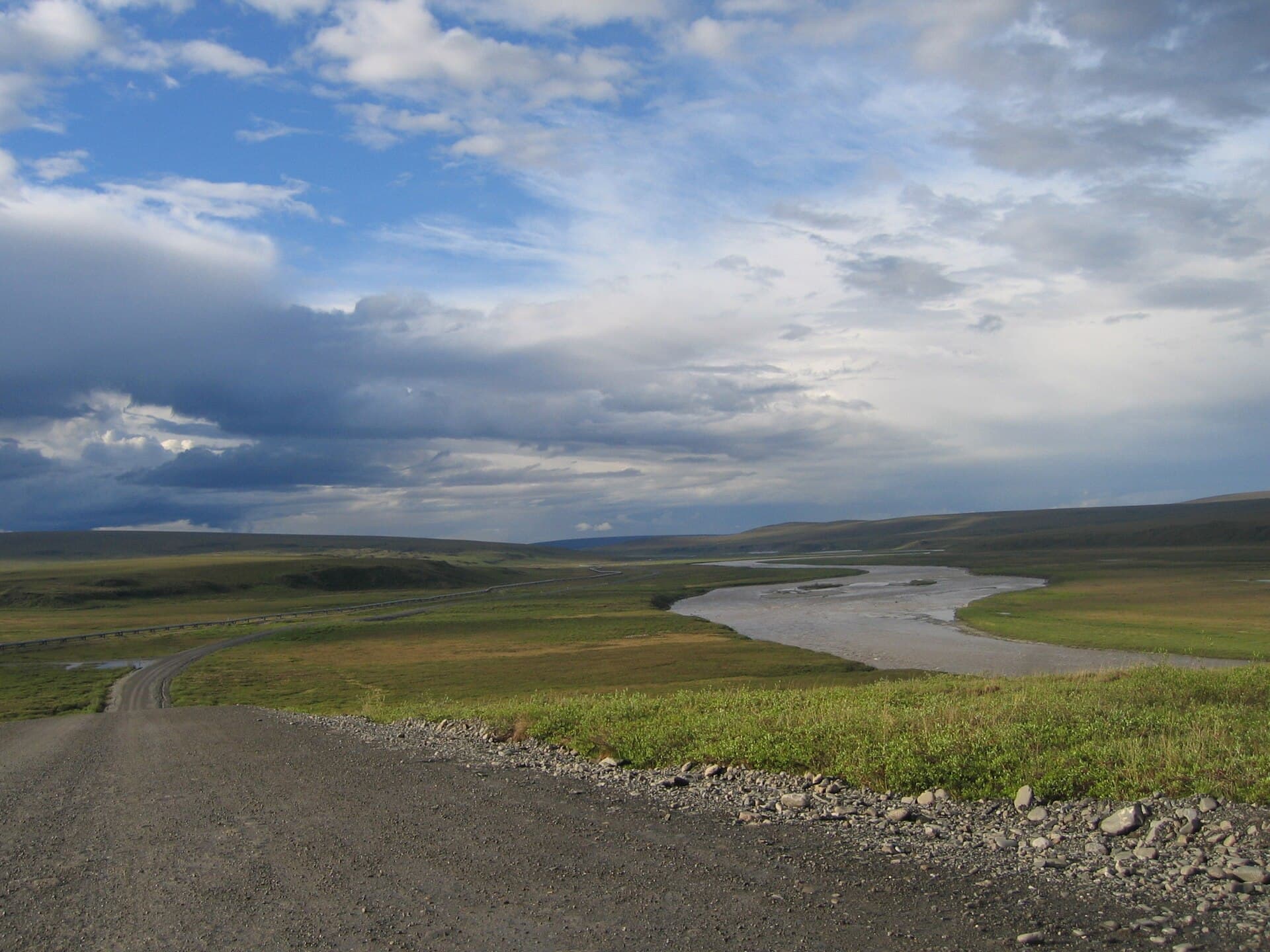
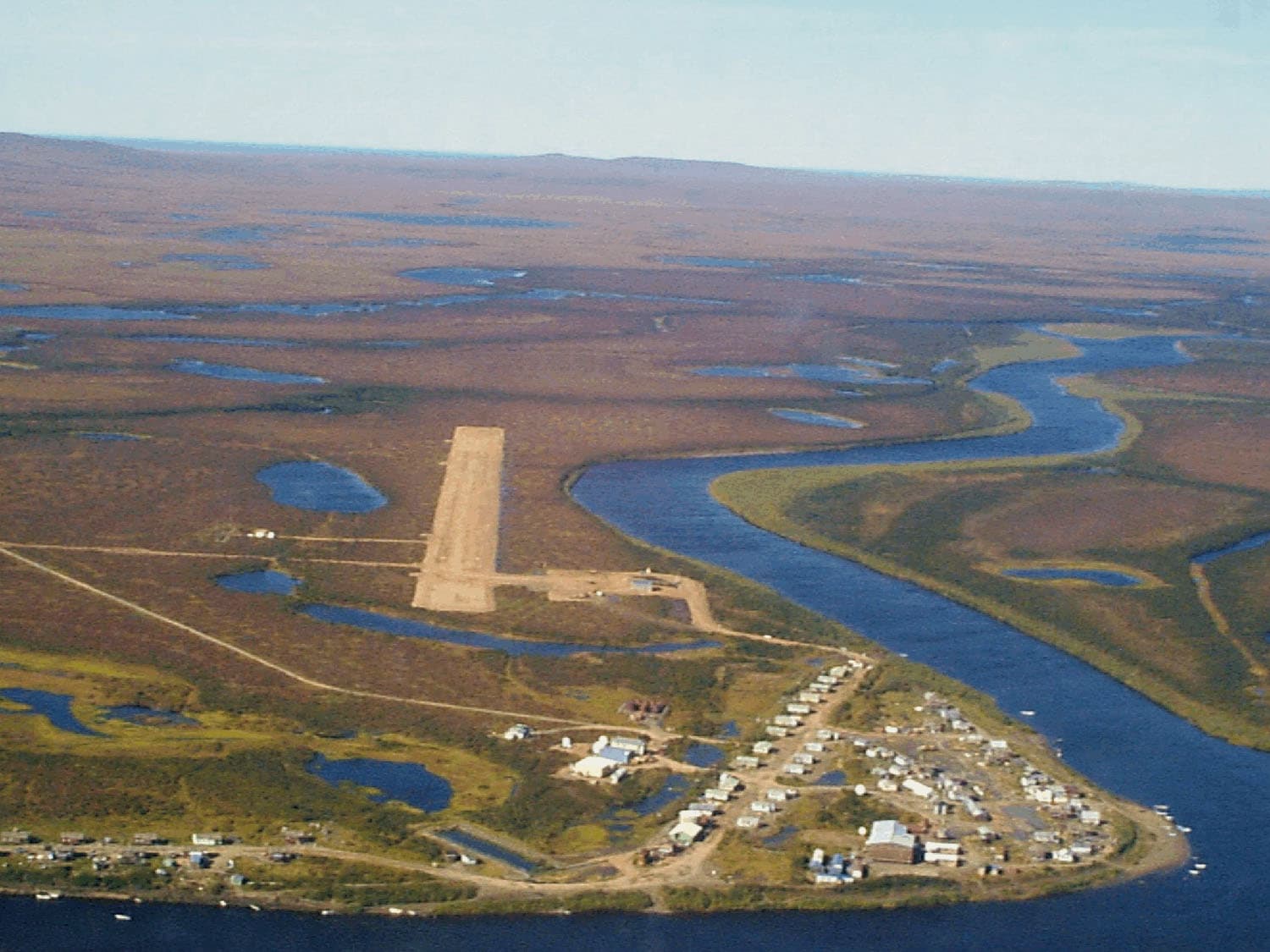
Access begins with a commercial flight to Adak Airport, the westernmost airport in the United States with scheduled service. From the small settlement of Adak, visitors drive or arrange transport along unpaved roads to the trailhead on the mountain’s eastern flank. No maintained trail reaches the summit; hikers follow old military roads and ridge lines, navigating by map and compass or GPS. Weather can close roads or strand travelers, so trips require flexible itineraries and local knowledge of current conditions.
Best Time to Visit
Summer months from June through August bring the mildest temperatures and longest daylight, allowing safer travel above treeline. Wildflowers peak in July, while August offers berries along lower slopes. Winter travel is possible for experienced mountaineers but demands avalanche awareness and extreme cold preparation. Shoulder seasons of May and September can deliver clear windows yet carry higher risk of sudden storms.
What to See and Do
Strong hikers can reach the summit in a long day, passing through subarctic tundra dotted with lupine and arctic cotton. Along the way, explore abandoned Quonset huts and artillery positions that tell the story of the Aleutian campaign. Birders should carry binoculars for tufted puffins, black-legged kittiwakes, and bald eagles nesting on nearby cliffs. Photographers favor the golden light near midnight during summer solstice. Shorter outings include coastal walks near the mountain’s base where sea otters and harbor seals are common.
Nearby Attractions
Adak Island itself rewards further exploration with lakes holding Arctic char, World War II museums in the former base buildings, and beaches strewn with rusted landing craft. Ferry or flight connections reach other Aleutian communities such as Atka or Unalaska, extending journeys into the chain’s volcanic and cultural heritage. The entire region lies within the Alaska Maritime National Wildlife Refuge, protecting millions of seabirds and marine mammals.