Why Visit Mount Kialagvik
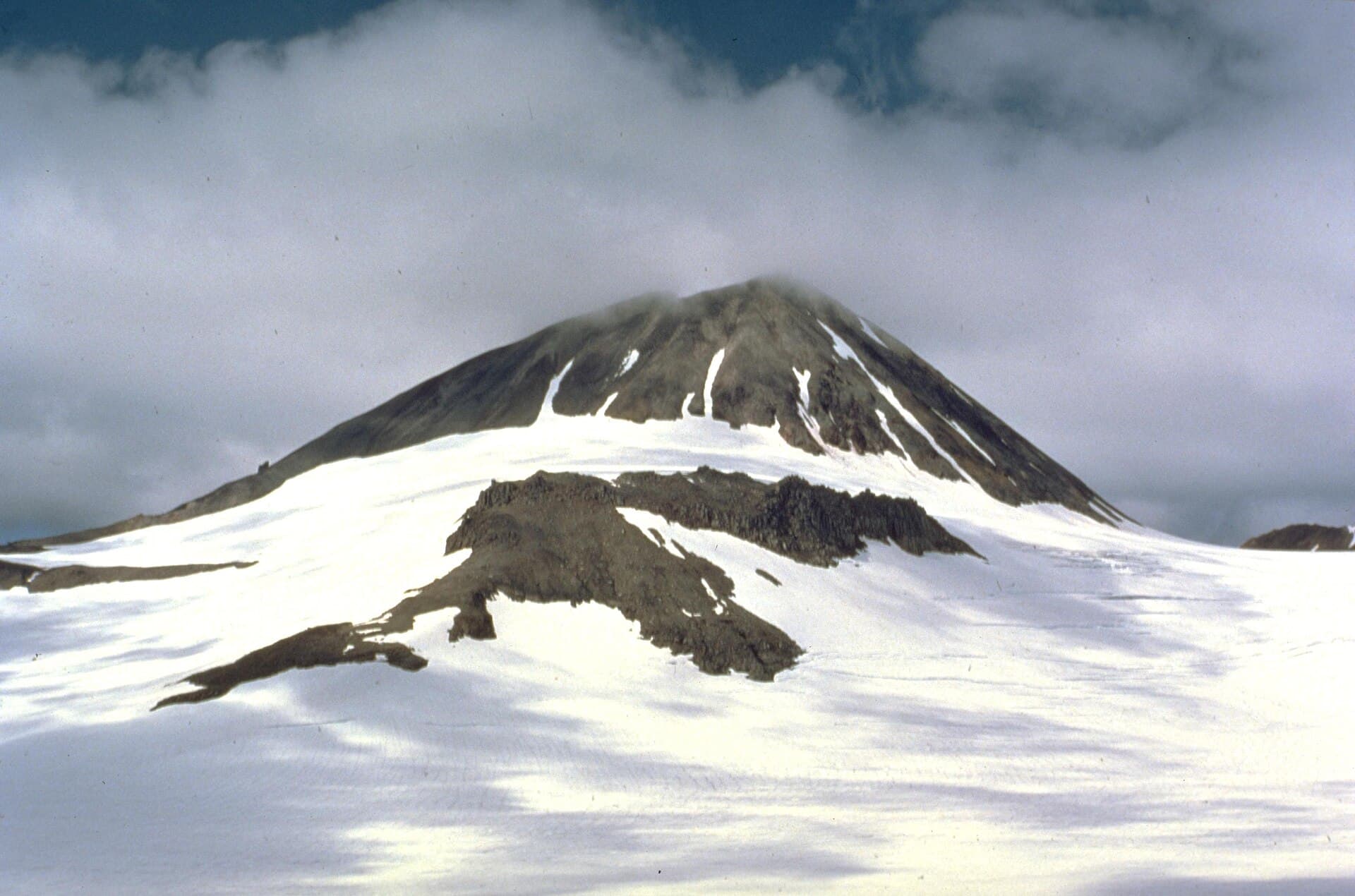
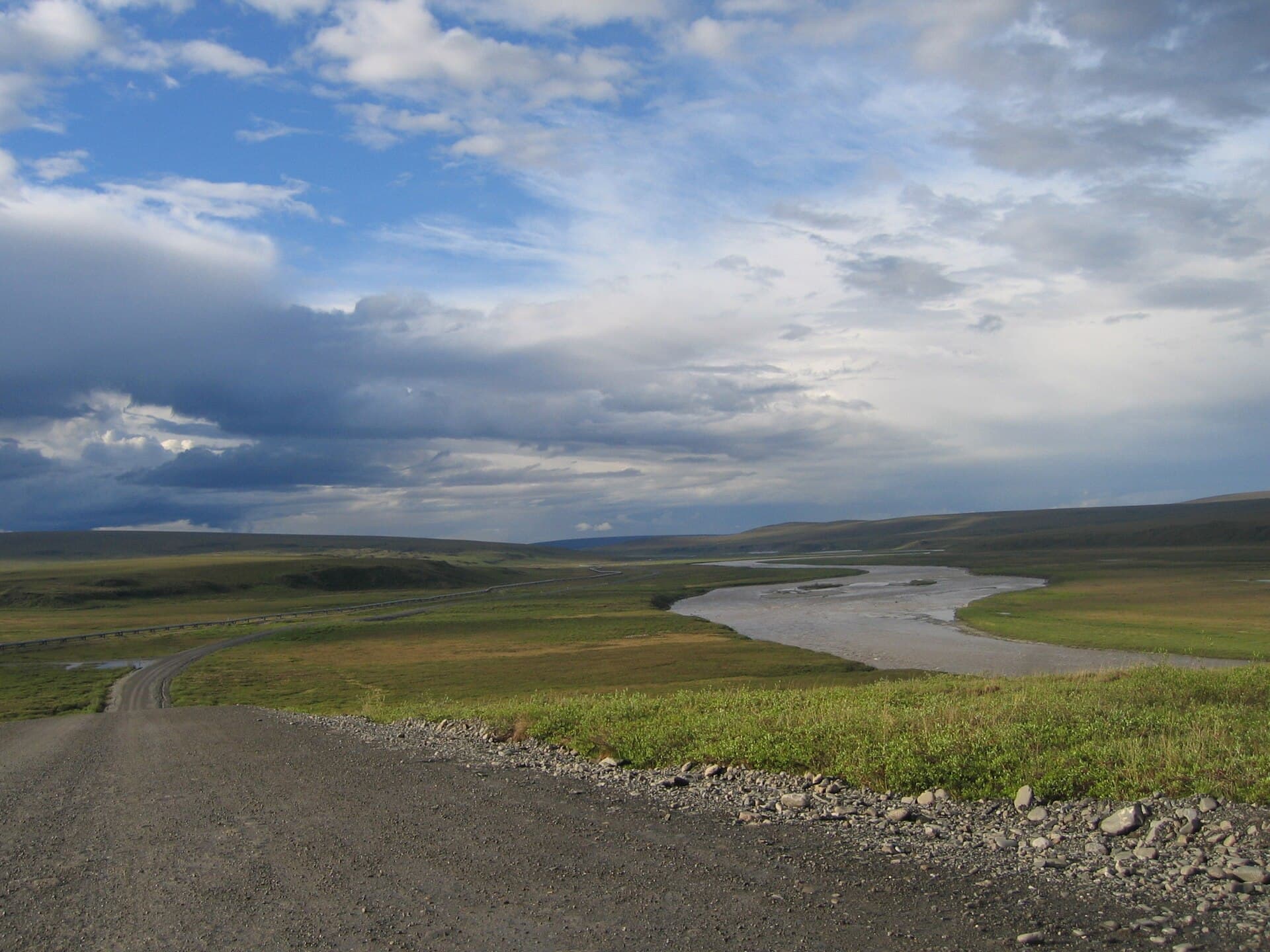
Mount Kialagvik rises as a classic cone-shaped volcano along the Alaska Peninsula, offering hikers and photographers access to untouched tundra, steep ridgelines, and panoramic vistas of Bristol Bay and the surrounding peaks. Its position outside major park boundaries means far fewer crowds than nearby Katmai, making it ideal for those seeking genuine backcountry immersion.
Getting There
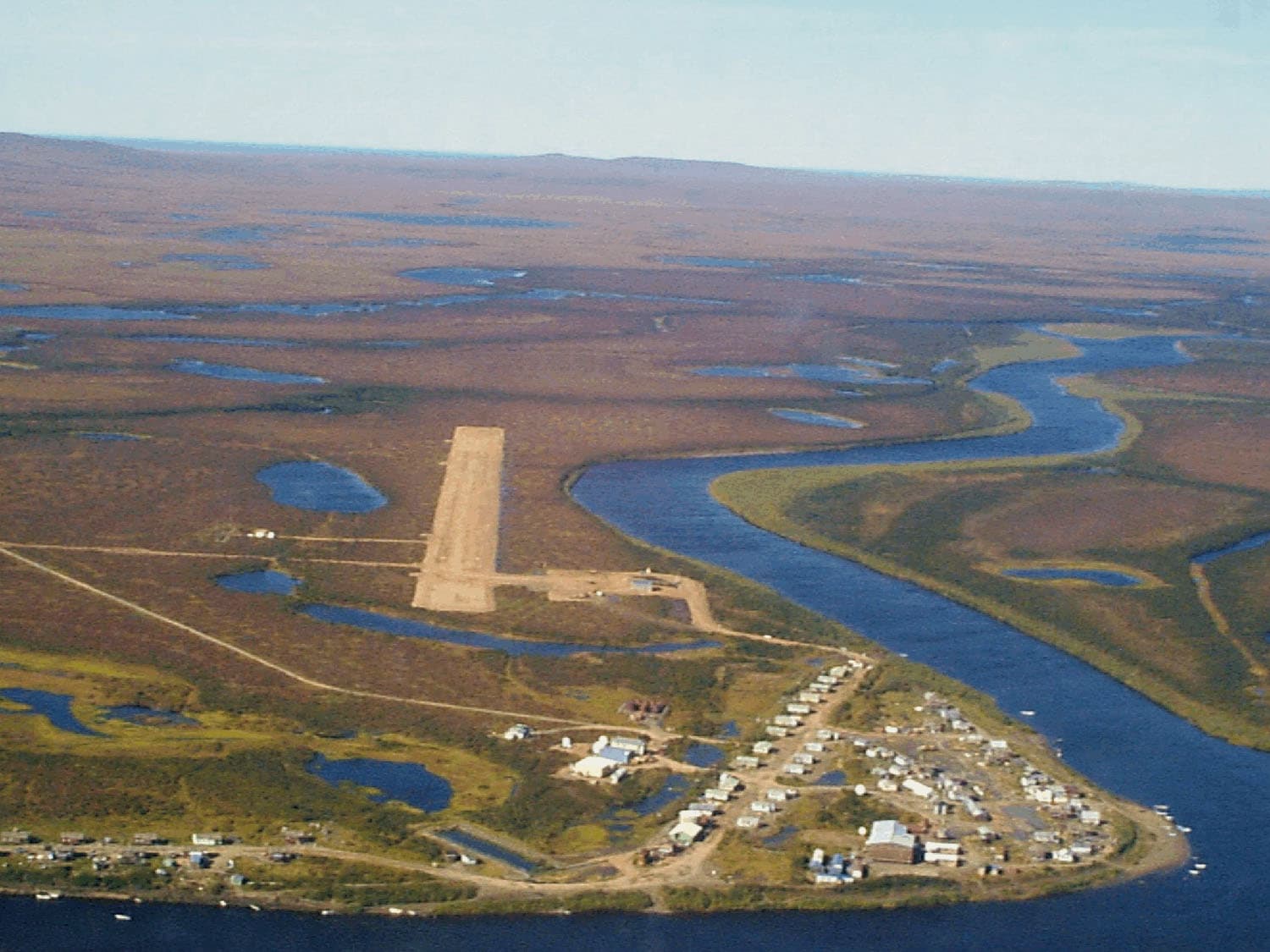
Access requires a bush-plane flight from King Salmon or Iliamna, followed by a boat or floatplane drop at one of the small lakes or coastal inlets at the mountain’s base. From landing points, travelers follow game trails and ridgelines on foot; no maintained trails exist, so strong navigation skills and topographic maps are essential. Most visitors arrange logistics through local air-taxi operators experienced in the region.
Best Time to Visit
July and August provide the longest daylight, driest conditions, and easiest travel across tundra and snow patches. Early September can still work but brings shorter days and higher chance of early snow at elevation. Winter travel is possible only for experienced winter campers with proper gear and avalanche awareness.
What to See and Do
Strong hikers can ascend the southwest ridge for summit views that stretch from the Aleutian Range to the Pacific. Lower slopes feature colorful wildflower meadows and berry patches in season, while coastal sections offer opportunities to watch brown bears fishing or sea otters rafting offshore. Photographers find excellent light at sunrise and sunset when the volcano’s shadow stretches across the peninsula.
Nearby Attractions
From Mount Kialagvik, travelers can extend trips to the Valley of Ten Thousand Smokes within Katmai National Park, the fishing waters of the Alagnak River, or the hot springs and fumaroles near Kukak Bay. These sites share the same floatplane access routes, allowing efficient multi-destination itineraries.