Introduction to Mount Griggs
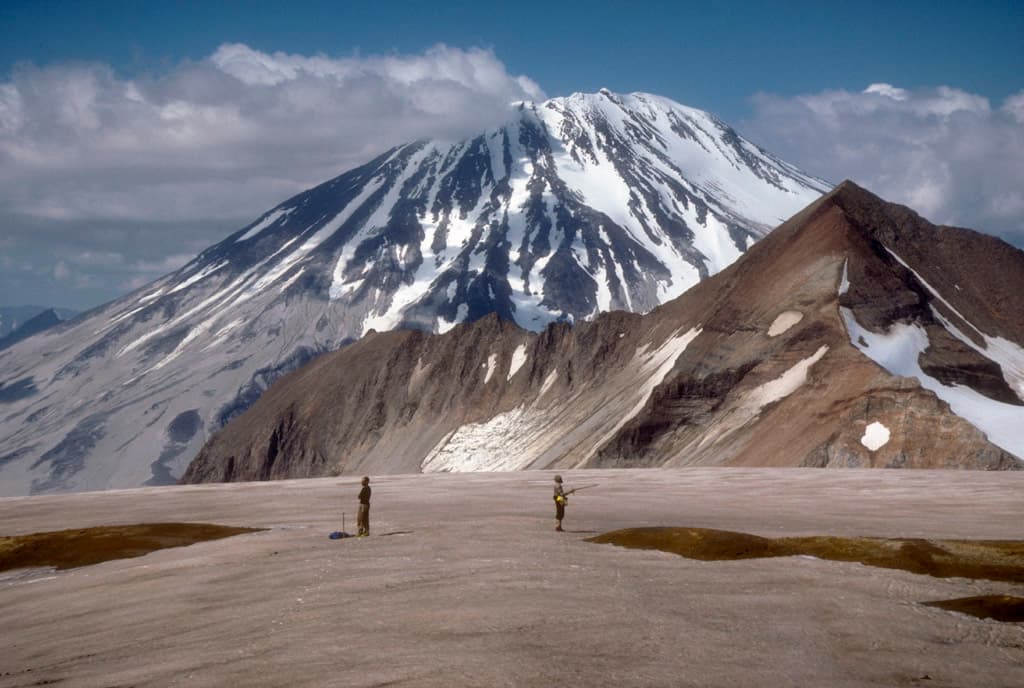
Mount Griggs rises prominently in Alaska’s Lake and Peninsula Borough as a 7,602-foot stratovolcano within Katmai National Park and Preserve. Its symmetrical cone and position along the Aleutian Range make it a striking destination for those seeking remote volcanic terrain rather than crowded trails.
Getting There
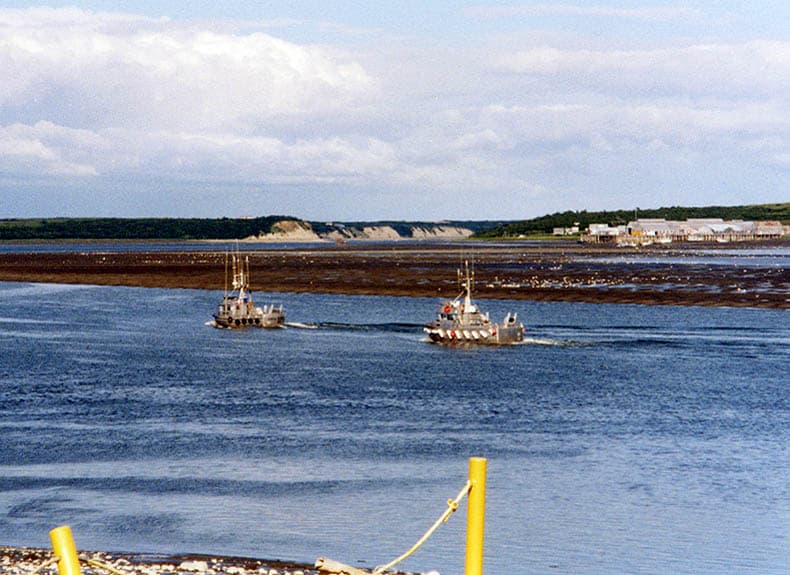
Access begins with a flight to King Salmon, followed by floatplane or boat travel into the park. Most visitors arrange charters from King Salmon or Brooks Camp to reach the mountain’s base near the Savonoski River drainage. Once on the ground, travel is by foot across tundra and river valleys, as no roads penetrate this section of the park.
What to See and Do
Climbing and Hiking
The standard approach follows ridges and drainages from the west or south, offering views of fumaroles and distant peaks. Expect multi-day backpacking routes over loose volcanic rock and steep snowfields in early season. Wildlife sightings, including brown bears and caribou, are common along the way.
Volcanic Features
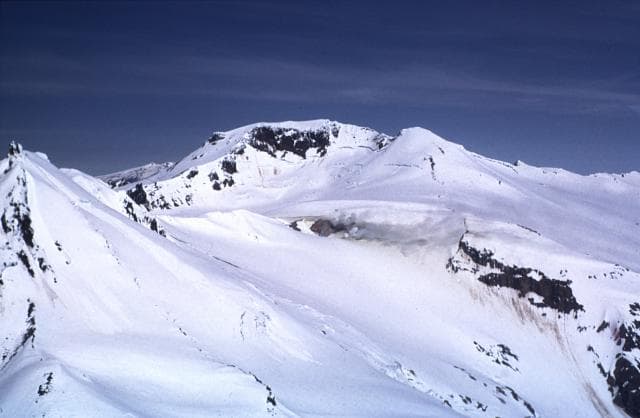
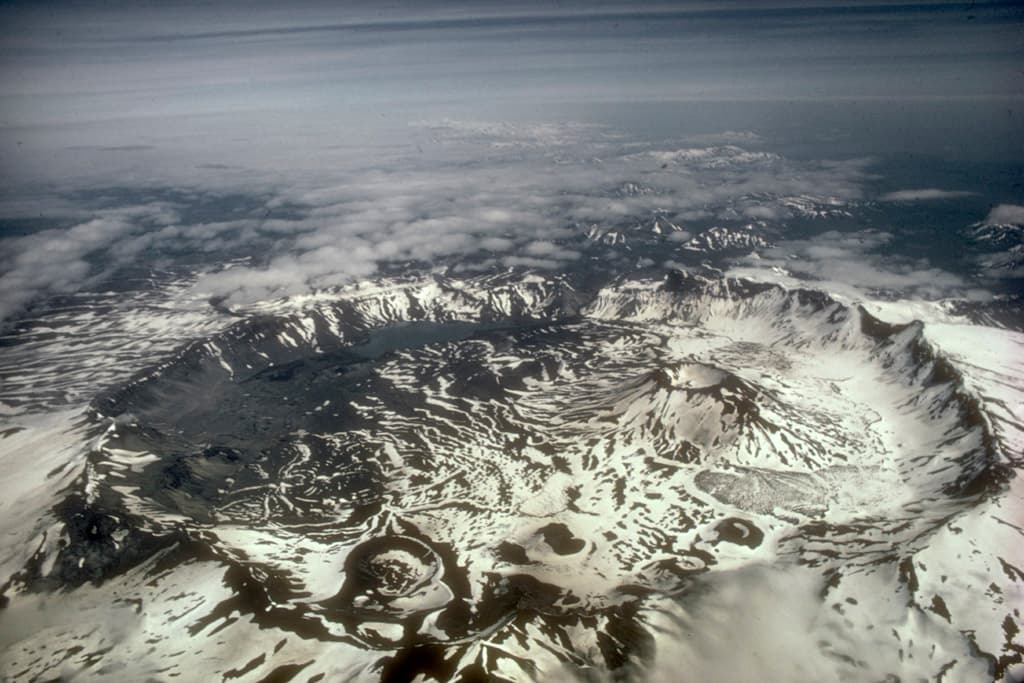
Steam vents and altered rock near the summit highlight ongoing geothermal activity. The surrounding landscape includes ash deposits from the 1912 Novarupta eruption, creating stark contrasts between green tundra and gray pumice fields.
Best Time to Visit
June through early September provides the most reliable weather windows and longest daylight for travel. Snow lingers into July on higher slopes, while August brings berries and more stable river crossings. Winter travel requires advanced skills due to extreme cold and limited daylight.
Nearby Attractions
- Valley of Ten Thousand Smokes: A vast ash-filled valley with ongoing fumaroles, reachable by day hike or ranger-led trip from Brooks Camp.
- Brooks River: Famous for salmon runs and brown bear viewing platforms.
- Novarupta Dome: The vent that produced the 20th century’s largest eruption, located a short distance south.