Why Novarupta Stands Out
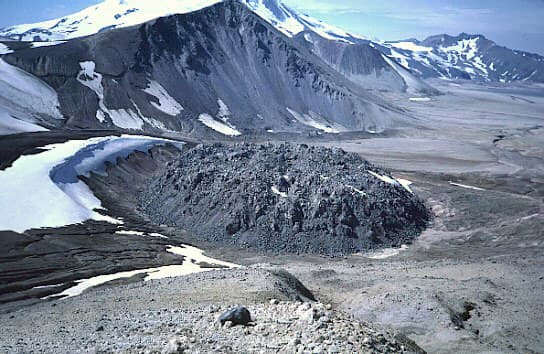
Novarupta formed during the largest volcanic event of the twentieth century, when a massive eruption on June 6, 1912, ejected more than three cubic miles of ash and pumice. The explosion created a new vent that plugged itself with a rhyolitic lava dome, now known as Novarupta. Today the 295-foot-high dome sits in a stark, ash-covered landscape within Katmai National Park and Preserve, offering visitors a direct look at one of North America’s most dramatic geologic events.
How to Reach Novarupta
Access begins in King Salmon, Alaska, followed by a floatplane flight or boat ride to Brooks Camp. From there, hikers follow the Valley of Ten Thousand Smokes Road, a 23-mile gravel route that ends at overlooks above the ash-filled valley. The final approach to the dome itself requires an off-trail scramble across loose pumice; guided trips are strongly recommended because of the remote terrain and lack of marked paths.
Best Time to Visit
June through early September offers the only reliable window when snow-free trails, operating floatplane services, and open park facilities coincide. July and August bring the longest daylight and warmest temperatures, though afternoon rain and high winds remain common. Shoulder months of June and September provide fewer visitors but require flexibility for weather delays.
What to See and Do
The primary draw is the sweeping view of the Valley of Ten Thousand Smokes, where once-steaming fumaroles have cooled but the layered ash deposits still dominate the scene. Short walks from the road’s end reveal colorful volcanic rocks and distant glimpses of the Novarupta dome. Wildlife viewing is excellent: brown bears frequent the Brooks River, and caribou and wolves may appear on the tundra. Photographers prize the stark contrast between the white dome and surrounding dark ash fields, especially under the long northern twilight.
Nearby Attractions
- Brooks Falls: Famous for its salmon run and elevated bear-viewing platforms, reachable by short bus ride from Brooks Camp.
- Three Forks Overlook: Offers panoramic vistas of the ash valley and surrounding volcanoes.
- Mount Katmai caldera: Visible on clear days from high points near Novarupta; the 1912 collapse left a deep, water-filled crater.
Combine a visit with a day at the Brooks Camp visitor center to learn about ongoing volcanic monitoring and the eruption’s global climatic effects.