Skip to content
Plan & Tour
DestinationsItinerariesTravel BlogAboutContact
0Sign inPlan a trip
Plan & TourPlan & Tour

Travel guides, destination inspiration and curated itineraries for Canada, the USA and beyond, plus a free tool to plan your own day-by-day trip.

Get travel inspiration

Explore

  • All Destinations
  • Curated Itineraries
  • Travel Blog
  • Plan a Trip

Topics

  • Hiking & Nature
  • Food & Drink
  • City Breaks
  • Budget Travel

Company

  • About Us
  • Contact
  • Privacy Policy
  • Terms of Service

© 2026 Plan & Tour. Built for travellers.

Discover the world, one trip at a time.

Mount Foraker: Alaska’s Towering Third Highest Peak
  1. Home
  2. Destinations
  3. Alaska
  4. Mount Foraker: Alaska’s Towering Third Highest Peak
Mountain

Mount Foraker: Alaska’s Towering Third Highest Peak

Experience the remote wilderness and dramatic views of Mount Foraker in Denali National Park, a less-crowded alternative to its famous neighbor.

AlaskaUpdated 13 August 2026

Why Visit Mount Foraker

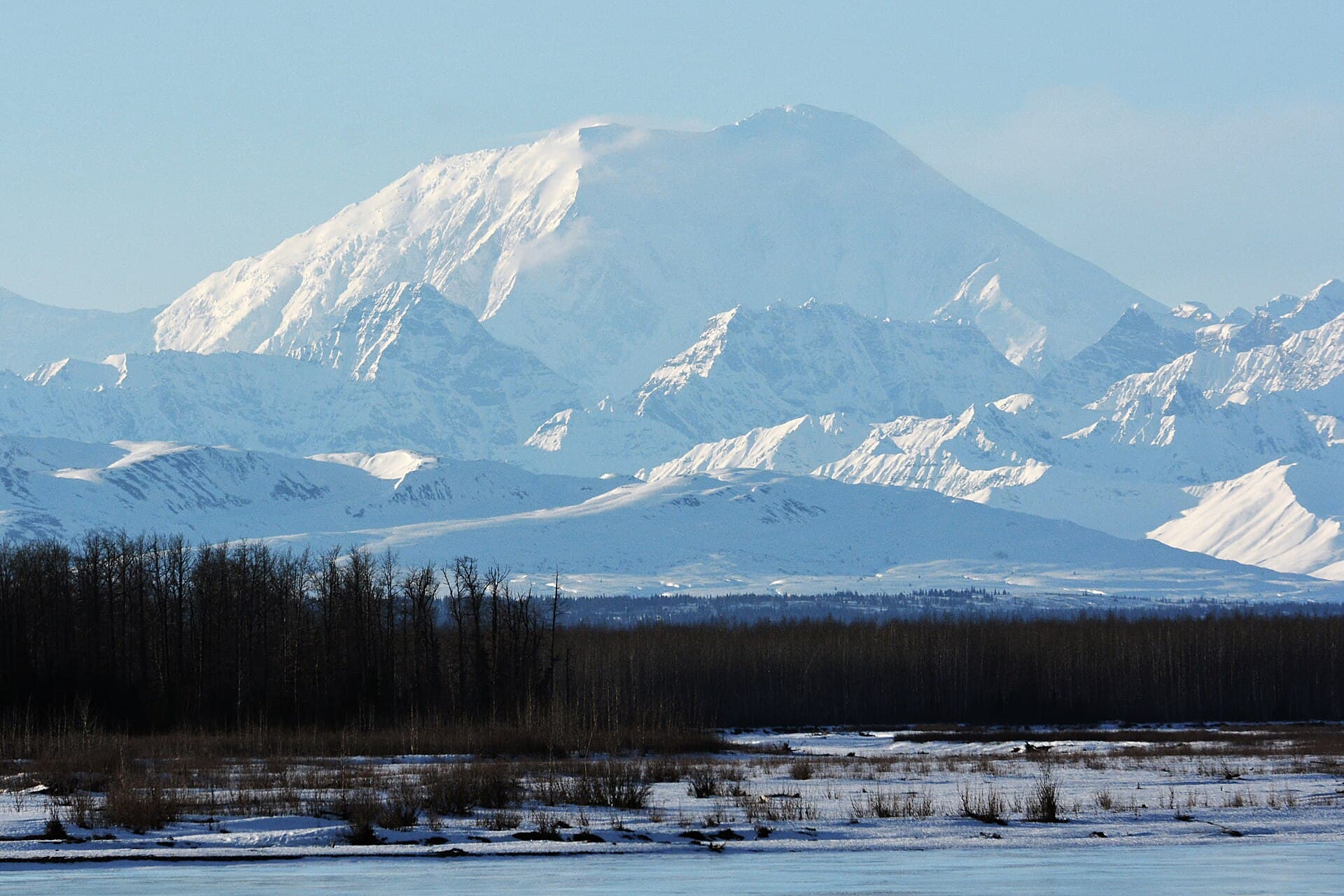
Mount Foraker rises to 17,400 feet in the Alaska Range, offering visitors a sense of scale and solitude rarely found near more popular peaks. Its twin summits and massive glaciers create striking profiles visible from many vantage points within Denali National Park and Preserve. The mountain attracts photographers, wildlife watchers, and those seeking quiet backcountry experiences away from Denali’s busier corridors.

Getting There

Access begins with a flight to Anchorage or Fairbanks, followed by a drive or train ride north along the Parks Highway to the Denali National Park entrance. From there, the park road leads west toward Wonder Lake and Kantishna, where clear days reveal Mount Foraker across the tundra. Private vehicles are restricted beyond mile 15, so most travelers use the park’s shuttle buses or join guided tours. Scenic flight operators based in Talkeetna offer aerial views that circle the mountain’s flanks and glaciers.

Best Time to Visit

June through early September provides the longest daylight and mildest weather for park access and flightseeing. Wildflowers carpet the tundra in July, while August brings golden foliage and fewer insects. Winter visits are possible for experienced travelers but require specialized gear and permits due to extreme cold and limited services.

What to Do

  • Take a park shuttle to Wonder Lake for foreground reflections of Mount Foraker on calm mornings.
  • Join a ranger-led hike or backcountry camping trip to explore alpine ridges with unobstructed mountain views.
  • Book a flightseeing tour that includes low passes along the Foraker Glacier for close-up perspectives without technical climbing.
  • Watch for Dall sheep, caribou, and grizzly bears along the park road and tundra trails.

Nearby Attractions

Denali itself dominates the skyline to the east, while the Kantishna mining district offers historic sites and lodge stays. The Teklanika River and Polychrome Pass provide additional hiking and scenic overlooks within the same protected area. Visitors often combine a Foraker-focused trip with a night or two at a wilderness lodge for deeper immersion.

Visitor tips

  • Carry bear spray and follow Leave No Trace principles, as the area is true backcountry with active wildlife.
  • Reserve park shuttles and flightseeing trips well ahead, especially during peak summer months when weather windows are limited.
  • Pack layers for rapid weather changes and bring binoculars for distant wildlife and glacier viewing from the road.

Frequently asked questions

Can beginners climb Mount Foraker?+

No. Mount Foraker is a serious technical expedition requiring advanced mountaineering skills, glacier travel experience, and months of preparation. Most visitors enjoy the peak through viewing, flightseeing, or hiking within the park.

How far is Mount Foraker from the Denali park entrance?+

The mountain is visible from points along the park road roughly 60 to 90 miles from the entrance, depending on the exact viewpoint and weather conditions.

Are there hiking trails that lead close to Mount Foraker?+

No maintained trails reach the mountain's base. Day hikes and backpacking routes stay within the park's frontcountry or backcountry zones, offering distant but spectacular views of the peak.

What permits are needed to visit the area around Mount Foraker?+

A park entrance pass covers most road-access viewing. Backcountry camping requires a free permit obtained at the visitor center; climbing permits apply only to those attempting the summit.

Is Mount Foraker visible year-round?+

The peak can be seen on clear days throughout the year from the park road or air, though winter access is limited and summer offers the best combination of visibility and visitor services.

Share
Google Maps Apple Maps Directions

Image: Paxson Woelber · CC BY 2.0 · via Wikimedia Commons

Keep reading

Nearby & related
All stories
Agattu Island: A Remote Wilderness Haven in Alaska’s Aleutians
Aleutians West Census Area

Agattu Island: A Remote Wilderness Haven in Alaska’s Aleutians

Experience the untouched tundra, seabird colonies, and stark beauty of Agattu, one of the western Aleutian Islands’ most…

13 August 2026
Etolin Island: Remote Wilderness in Alaska’s Tongass National Forest
Alaska

Etolin Island: Remote Wilderness in Alaska’s Tongass National Forest

Explore the dense rainforests, black bear habitat, and quiet waterways of this little-visited island near Wrangell.

13 August 2026
St. Matthew Island: A Remote Bering Sea Wilderness in Alaska
Alaska

St. Matthew Island: A Remote Bering Sea Wilderness in Alaska

Experience the stark beauty, massive seabird colonies, and untouched tundra of this isolated island in Alaska’s Bering…

13 August 2026